Top 5 Warning Signs You Need to Replace Your Inground Vinyl Pool Liner Soon
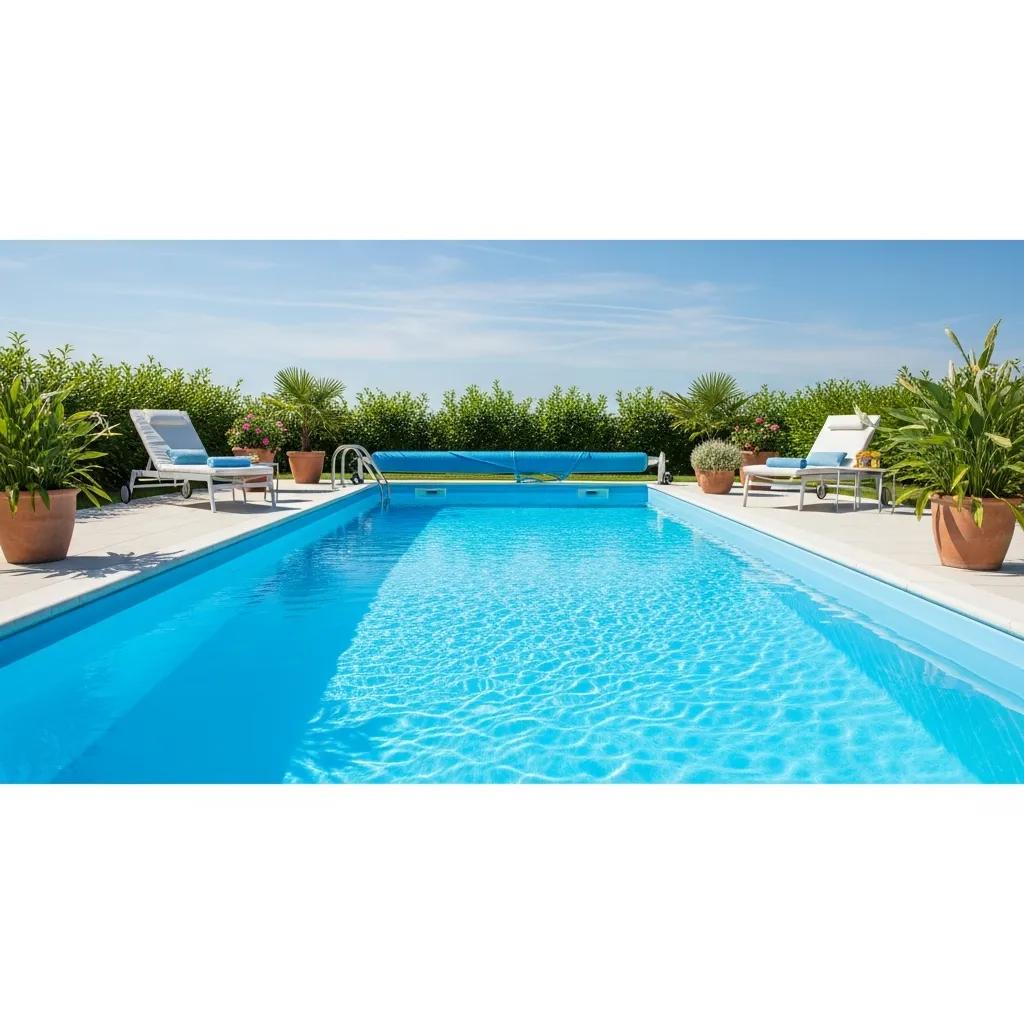
Maintaining an inground vinyl pool is essential for ensuring its longevity and safety. However, over time, pool liners can show signs of wear and tear that indicate it’s time for a replacement. This article will explore the top five warning signs that suggest your vinyl pool liner may need to be replaced soon. By understanding these signs, homeowners can take proactive measures to avoid costly repairs and maintain a safe swimming environment. We will discuss visible damage, the implications of tears and cracks, the effects of wrinkling, discoloration, and the importance of liner age. Recognizing these indicators can help you make informed decisions about your pool maintenance and replacement needs.
What Are the Most Common Visible Signs of Vinyl Pool Liner Damage?
Visible signs of vinyl pool liner damage are crucial indicators that homeowners should not ignore. Common signs include persistent water loss, visible tears or cracks, and major fading or staining. These issues can compromise the integrity of the pool and lead to more significant problems if not addressed promptly.
-
Persistent Water Loss: If you notice that your pool is losing water more rapidly than usual, it may indicate a leak in the liner. This can lead to structural damage and increased maintenance costs.
-
Visible Tears or Cracks: Tears and cracks in the liner can allow water to escape and lead to further deterioration. These damages can worsen over time, making early detection essential.
-
Major Fading or Staining: Discoloration of the liner can be a sign of age or chemical imbalance in the water. This not only affects the aesthetic appeal of your pool but can also indicate underlying issues.
For homeowners in Windsor and Essex County, the Santarossa Group specializes in vinyl pool liner replacement and repair, ensuring that your pool remains in top condition.
How Do Tears and Cracks Indicate the Need for Replacement?
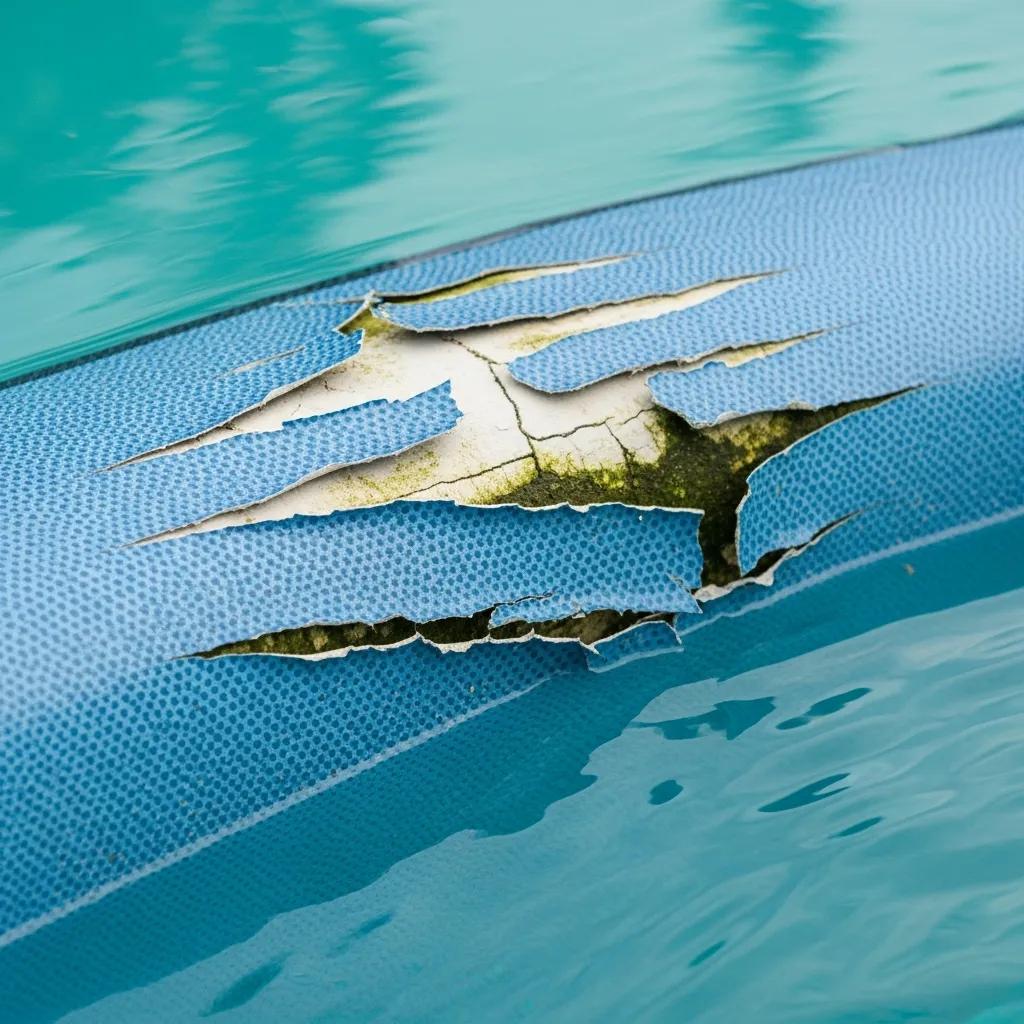
Tears and cracks in a vinyl pool liner are significant warning signs that replacement may be necessary. These damages can lead to water loss and further structural issues if left unaddressed. Ignoring these signs can result in costly repairs down the line, as the damage can spread and affect other components of the pool.
-
Consequences of Ignoring Damage: Failing to address tears and cracks can lead to more extensive damage, including leaks that compromise the pool’s structure.
-
Importance of Early Detection: Early detection of these issues allows for timely repairs or replacement, minimizing costs and ensuring the safety of the pool.
-
Potential Costs of Repairs: Repairing a damaged liner can be more expensive than replacing it entirely, especially if the damage has led to additional issues.
If you notice any tears or cracks, it is advisable to consult with professionals like the Santarossa Group, who can assess the damage and recommend appropriate solutions.
What Does Liner Wrinkling and Slipping Reveal About Pool Integrity?
Liner wrinkling and slipping are common issues that can indicate problems with the pool’s integrity. These issues often arise from improper installation or changes in water levels.
-
Causes of Wrinkling: Wrinkles can form due to air pockets or improper fitting of the liner. This can affect the pool’s appearance and functionality.
-
Impact on Water Circulation: A wrinkled liner can disrupt water circulation, leading to uneven chemical distribution and potential algae growth.
-
Recommended Actions for Homeowners: If you notice wrinkling, it is essential to consult with a pool professional to determine whether the liner can be adjusted or if replacement is necessary.
To ensure the longevity of your pool and protect it from the elements, consider the benefits of a “pole barn” for added protection and functionality.
How Can Pool Water Discoloration and Leaks Signal Liner Wear?
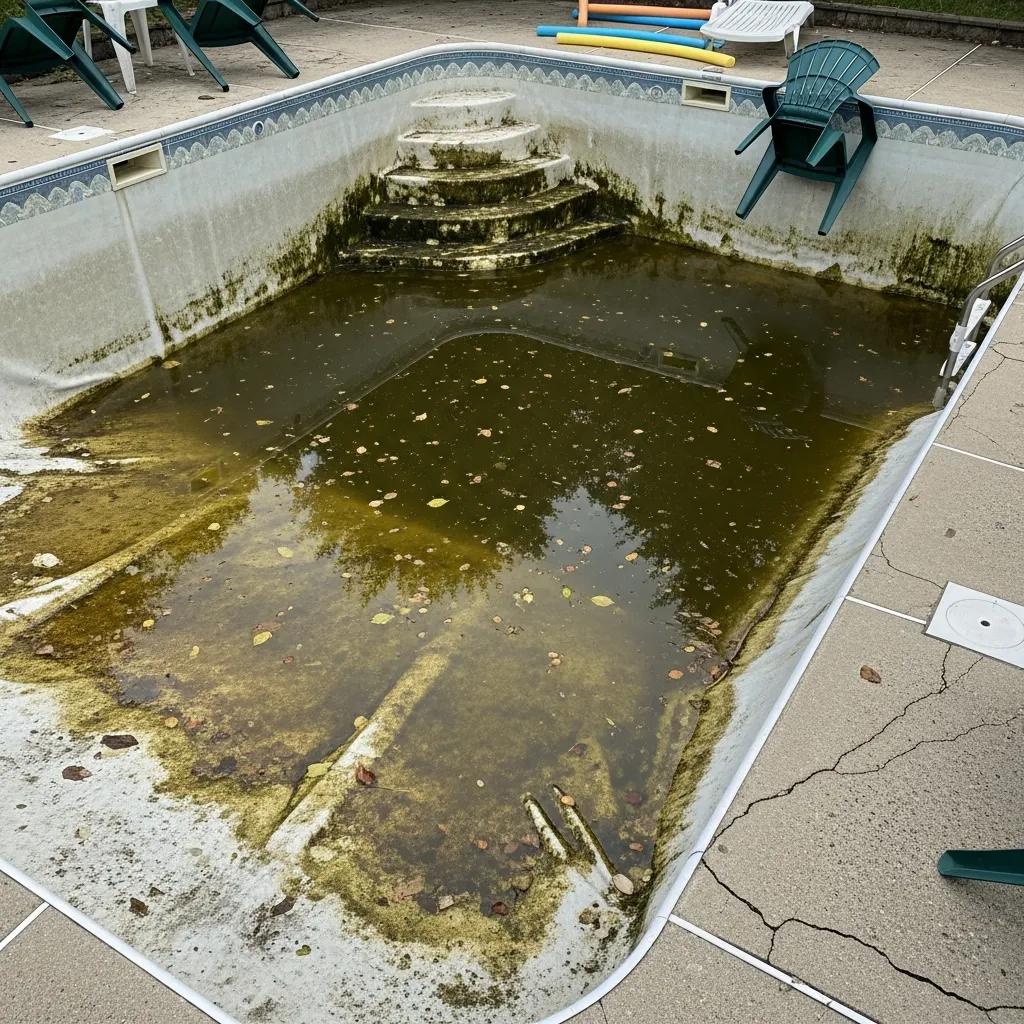
Discoloration of pool water and leaks are critical signs of liner wear that should not be overlooked. These issues can indicate that the liner is degrading and may need replacement.
-
Indicators of Liner Replacement Need: If the water appears cloudy or discolored, it may suggest that the liner is breaking down and affecting water quality.
-
Causes of Discoloration: Factors such as chemical imbalances, algae growth, or liner degradation can lead to water discoloration.
-
Recommended Actions for Homeowners: Homeowners should regularly test their pool water and consult with professionals if discoloration occurs. The Santarossa Group can provide expert evaluations and recommend necessary repairs or replacements.
Investing in a “durable structure” like a pole barn can also help protect your pool area from environmental factors that contribute to discoloration and wear.
Why Is Pool Liner Age a Critical Factor in Replacement Timing?
The age of a pool liner is a crucial factor in determining when it should be replaced. Vinyl liners typically have a lifespan of 10 to 15 years, depending on maintenance and environmental factors.
-
Expected Lifespan of Vinyl Liners: Most vinyl liners last between 10 to 15 years, but this can vary based on usage and maintenance.
-
Signs of Wear Due to Age: As liners age, they may become brittle, fade, or develop cracks, indicating that replacement is necessary.
-
Recommended Replacement Intervals: Regular inspections and maintenance can help extend the life of a liner, but homeowners should plan for replacement every 10 to 15 years to ensure optimal performance.
Consider adding a “pole barn” to extend the life of your pool liner by providing shade and protection from the elements.
Understanding these warning signs and the importance of timely replacement can help homeowners maintain their pools effectively. For those in Windsor and Essex County, the Santarossa Group offers expert vinyl pool liner replacement services to ensure your pool remains safe and enjoyable for years to come.