Modern ADU Design for Your Property — Contemporary Backyard Homes & Custom Plans in Windsor
Accessory Dwelling Units (ADUs) are a practical, popular way to get more from your property. This guide walks through modern ADU design options with a focus on contemporary backyard homes and custom plans available in Windsor, Ontario. You’ll find clear explanations of common layouts, relevant local rules, cost considerations, and the main benefits an ADU can bring to your home and property value.
Below, we cover the most requested ADU styles, how Windsor and Essex County regulations affect planning, budgeting basics, sustainable design choices, and the practical uses of adding an ADU to your lot.
Which modern ADU designs are most popular for your property?
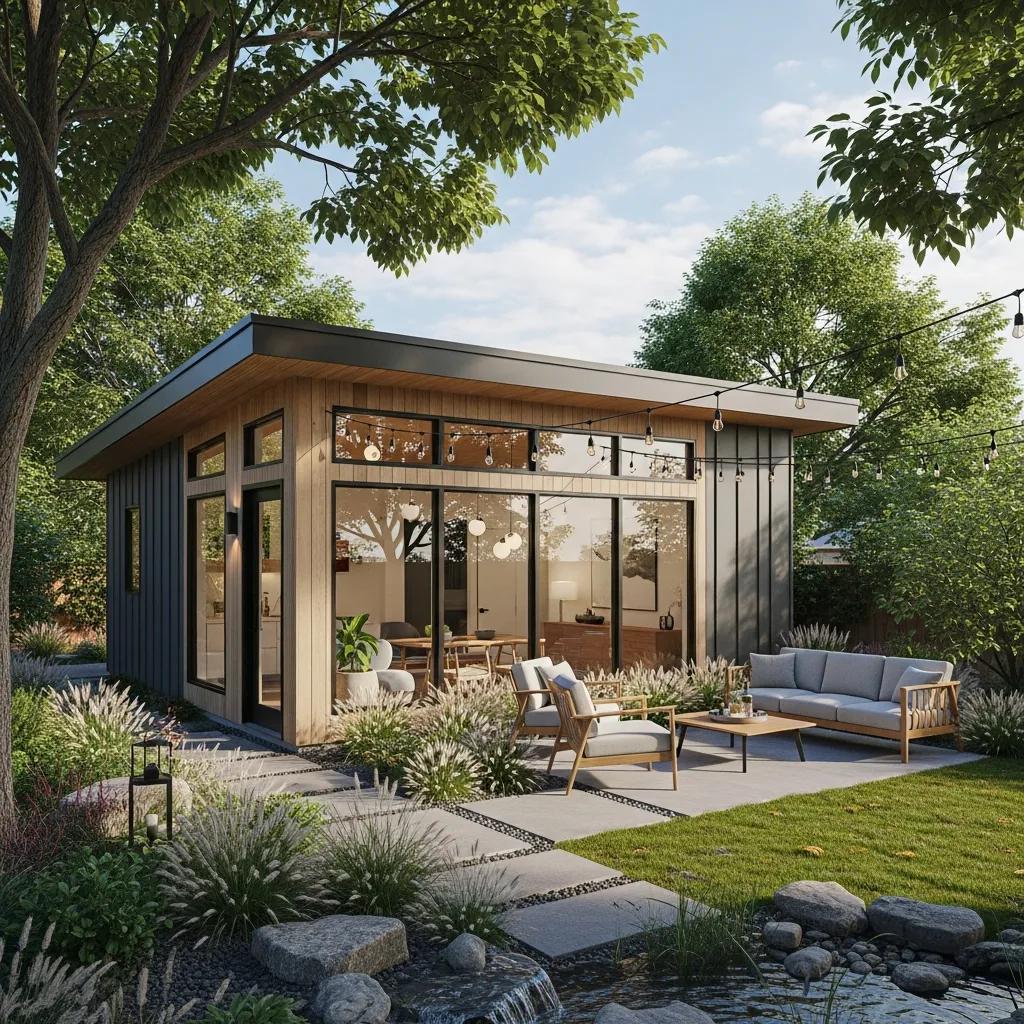
Modern ADUs come in a range of sizes and styles to match different needs. They can improve a property’s curb appeal while adding useful living space. Popular choices include studio ADUs, ranch-style single-storey units, and two-storey ADUs—each offers its own set of advantages depending on the lot and how you plan to use the space.
What features define contemporary backyard homes and granny flats?
Contemporary backyard homes and granny flats share several design traits that make them livable and attractive. Common features include:
-
Open floor plans: Thoughtful layouts that make compact spaces feel larger and more connected.
-
Sustainable materials: Eco-friendly options that improve durability and reduce environmental impact.
-
Abundant natural light: Large windows and skylights to brighten interiors and connect indoor spaces to the yard.
-
Flexible rooms: Multi-use spaces that adapt as a home office, guest suite, or rental unit.
These elements reflect current design priorities: practical use of space, energy-conscious choices, and comfortable, modern living.
How do studio, ranch, and two-story ADU plans compare?
When choosing a plan, consider how each layout matches your needs and site constraints. Here’s a quick comparison:
|
ADU Type |
Layout |
Advantages |
Drawbacks |
|
Studio ADU |
Open plan combining living and sleeping areas |
Very space-efficient |
Less privacy and limited storage |
|
Ranch ADU |
Single-storey with separate rooms |
Accessible and easy to move through |
Requires a larger footprint |
|
Two-Story ADU |
Multi-level with defined living zones |
Makes the most of a smaller lot |
More complex construction and higher costs |
Knowing these trade-offs helps you pick the plan that best fits your budget, lot size, and intended use.
How do local regulations affect ADU planning in Windsor and Essex County?
Local rules shape what you can build and where. Understanding zoning, setbacks, height limits and permit steps early in the process prevents costly surprises and keeps your project on schedule.
What are the key zoning and permit requirements for ADUs in Windsor?
In Windsor, some of the important zoning considerations include:
-
Lot size: There’s no separate minimum lot size specific to ADUs; properties must meet the general zoning bylaws.
-
Setback regulations: ADUs typically need to meet minimum side and rear setbacks — commonly about 1.2 metres (4 feet).
-
Height restrictions: Many zones limit ADUs to roughly 4.5 metres (about 15 feet) or a single storey, depending on the district.
Always confirm rules with the City of Windsor planning department for the most current requirements that apply to your property.
How does the Ontario Building Code influence ADU construction?
The Ontario Building Code sets the technical standards your ADU must meet. Key areas include:
-
Safety standards: Requirements for structural integrity, fire protection, and overall occupant safety.
-
Accessibility: Certain accessibility features may be required depending on size and use, though full accessibility isn’t always mandatory.
-
Energy efficiency: Standards for insulation, ventilation and other measures that reduce energy use.
Meeting the Building Code ensures your ADU is safe, energy-conscious and insurable.
What are the cost considerations for building a modern ADU?
Costs vary widely depending on design, materials, and site work. Understanding the main cost drivers makes it easier to plan a realistic budget and choose the right approach for your goals.
How do prefabricated and custom ADU builders in Windsor differ in pricing?
|
Builder Type |
Average Cost Range |
Key Features |
|
Prefabricated Builders |
$120,000 – $180,000 |
Quicker build times and standardised designs |
|
Custom Builders |
$180,000 – $350,000 |
Tailored layouts and higher-grade finishes |
Pick prefabricated if speed and predictability matter; choose custom if you need a unique layout or premium materials.
What factors influence the overall ADU construction costs?
Major cost drivers include:
-
Design complexity: Intricate plans increase labour and material costs.
-
Site preparation: Grading, foundations and utility connections add to the budget.
-
Finishing selections: Premium fixtures, cabinetry and finishes raise the final price.
Budgeting for these items up front helps avoid unexpected overruns.
How can sustainable and energy-efficient designs enhance your ADU?
Green design choices reduce operating costs and make your ADU more comfortable and durable. They also appeal to buyers if you ever sell.
What sustainable materials and practices are used in modern ADUs?
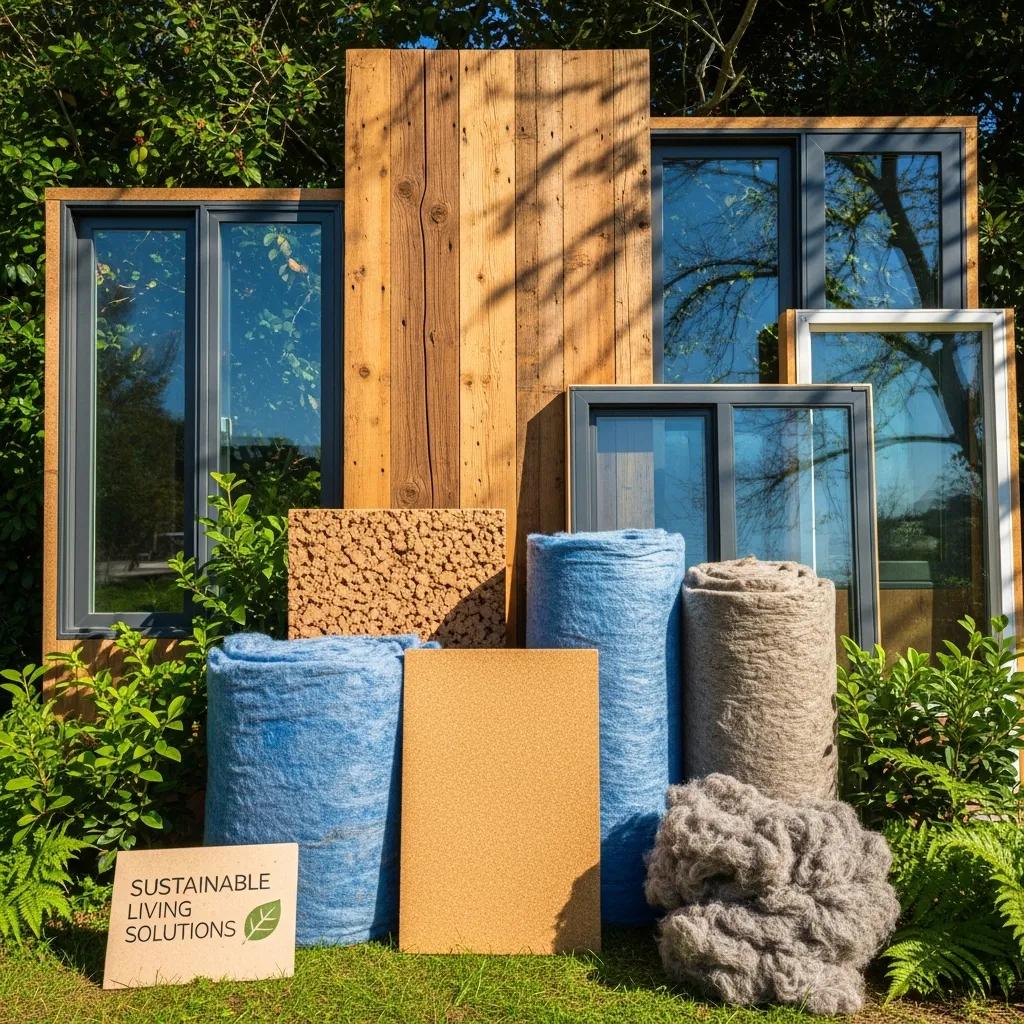
Common sustainable approaches include:
-
Recycled and reclaimed materials: Reclaimed wood and recycled metal reduce waste and embodied carbon.
-
High-performance windows: Double- or triple-glazed units improve insulation and comfort.
-
Green roofs: Useful for insulation and biodiversity, though they can add to cost and structural requirements.
These choices lower long-term environmental impact and can improve energy performance.
How do energy-efficient features benefit ADU living and costs?
Energy-smart features deliver clear homeowner benefits:
-
Lower utility bills: Better insulation and efficient systems reduce monthly costs.
-
Improved comfort: Proper ventilation and thermal performance make living spaces more pleasant year-round.
-
Stronger resale appeal: Energy-efficient units often command higher market interest from eco-conscious buyers.
Investing upfront usually pays back over time through lower operating costs and greater marketability.
What are the benefits and uses of adding an ADU to your property?
An ADU can serve many roles: a private suite for family, a source of rental income, or extra work-from-home space. It’s one of the most flexible property investments available.
How can ADUs support multi-generational living and rental income?
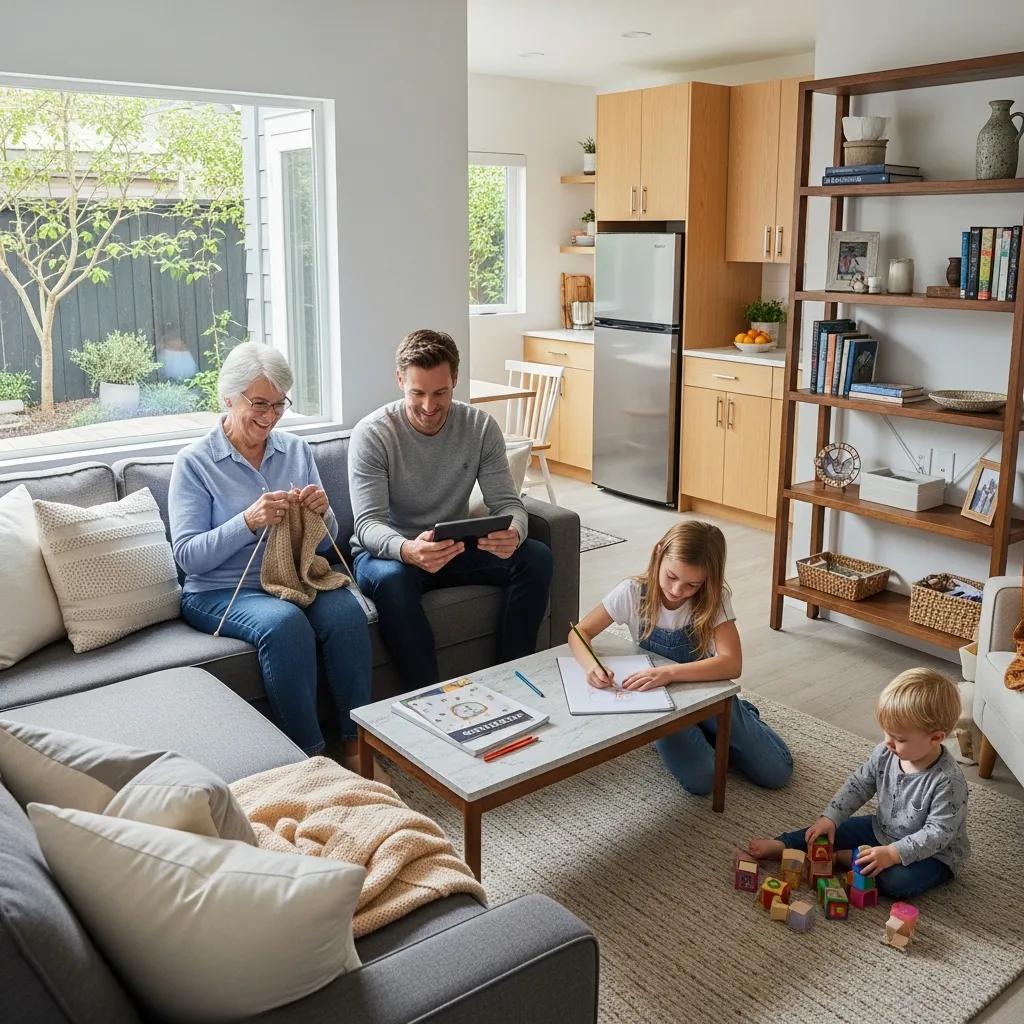
ADUs provide private, independent living for elderly relatives, young adults, or long‑term guests while keeping families close. They’re also a straightforward way to generate rental income, which can help offset mortgage or renovation costs.
Beyond individual benefits, research also shows ADUs can expand affordable housing options and face common regulatory and community challenges.
Benefits & Regulatory Barriers of Accessory Dwelling UnitsAccessory dwelling units and micro‑apartments are compact housing types that have gained attention in recent years. The literature finds they can deliver meaningful community benefits — offering more affordable housing options, reducing the environmental impact of new construction, and diversifying a largely homogeneous housing stock. At the same time, the research points to several barriers that slow wider adoption, including neighborhood pushback, unclear institutional frameworks, and restrictive zoning or planning codes.Towards a smaller housing paradigm: a literature review of accessory dwelling units and micro apartments, 2018
What value does a custom ADU add to your Windsor property?
A well‑designed custom ADU can boost your property’s functionality and market appeal. It increases usable living space, creates rental potential, and often improves resale prospects—making it a smart long‑term investment for many homeowners.
Santarossa Group is a local Windsor contractor specialising in home additions and backyard homes (ADUs). We combine practical design with skilled construction and local permitting experience to deliver quality results that meet municipal requirements.
Frequently Asked Questions
What financing options are available for building an ADU?
There are several routes to finance an ADU. Traditional mortgages can cover the cost, and some lenders offer ADU-specific loans. Home equity loans or lines of credit are common choices, letting you borrow against your existing equity. In some cases, municipal programs offer grants or low‑interest loans to encourage ADU construction — check local resources for current incentives.
How long does it typically take to build an ADU?
Timelines vary based on design, permitting and site work. A straightforward, prefabricated ADU may be finished in a few months, while a custom build commonly takes three to six months or longer. Don’t forget to factor in permit lead times and inspections when planning your schedule.
What are the maintenance requirements for an ADU?
Maintaining an ADU is similar to caring for a small home: regular checks for leaks, HVAC servicing, and routine plumbing and electrical maintenance. Keep landscaping managed to protect foundations and curb appeal. Energy‑saving features may need periodic upkeep, such as solar panel cleaning or checking seals on high‑performance windows.
Can I use my ADU as a short‑term rental?
Short‑term rentals are possible but depend on local rules. In Windsor, you’ll need to confirm zoning allowances and obtain any required permits. Safety and health regulations still apply, and it’s wise to consider how short‑term rentals affect neighbours and neighbourhood character.
What are the environmental benefits of building an ADU?
ADUs help use land more efficiently, which can reduce urban sprawl and preserve greenfield areas. When built with sustainable materials and energy‑efficient systems, they lower energy consumption and carbon impact. ADUs also support denser, more walkable neighbourhoods that reduce car dependence.
How can I ensure my ADU is energy‑efficient?
Choose high‑quality insulation, energy‑efficient windows, and ENERGY STAR appliances. Design for good daylighting and cross‑ventilation to reduce artificial heating, cooling and lighting needs. Adding renewable systems like solar panels further reduces operating costs. Work with builders experienced in sustainable construction to implement the right combination of measures for your project.
Conclusion
Adding a modern ADU is a practical way to expand living space, generate income, and increase property value. With thoughtful design, attention to local rules, and smart material choices, an ADU can be both functional and environmentally responsible. If you’re ready to explore options for your lot, our team can help you plan a solution that fits your goals and budget.