Best Materials for Building Custom Pole Barns: Expert Guidance for Durable and Cost-Effective Construction
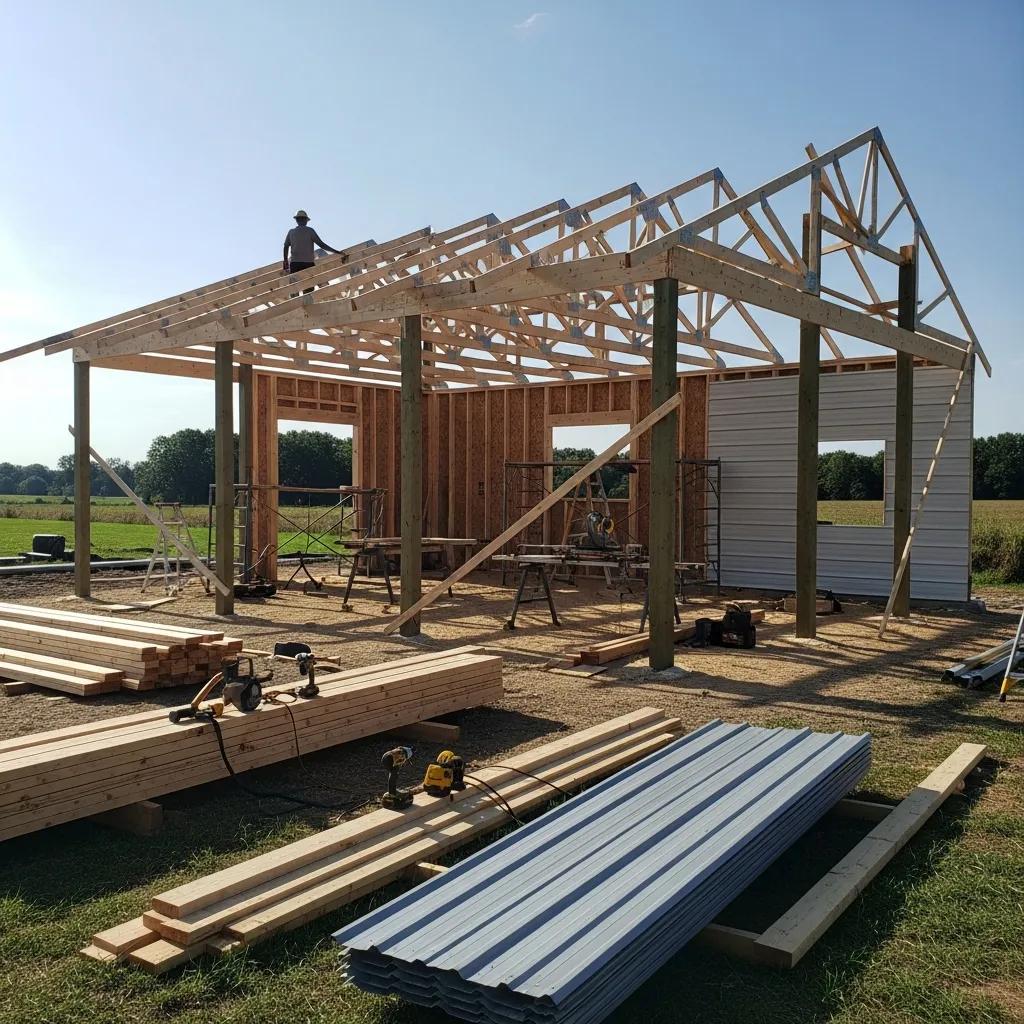
Building a custom pole barn requires careful consideration of materials to ensure durability, cost-effectiveness, and suitability for specific environmental conditions. This article provides expert guidance on the best materials for constructing pole barns, focusing on wood, metal, roofing, and foundation options. Readers will learn about the advantages and disadvantages of various materials, helping them make informed decisions for their projects. The discussion will cover essential aspects such as durability, weather resistance, and maintenance requirements, particularly in the context of the climate. By the end of this article, you will have a comprehensive understanding of the best materials for building custom pole barns, including insights into cost and maintenance factors.
Further insights into the broader context of barn construction, including various designs, their costs, and safety considerations, are explored in recent analyses.
Modern Barn Design Analysis: Types, Cost & SafetyBarn structures are one of the most important aspects of the agriculture industry. As the agriculture industry changes, so does the design and construction of barns. There are many types of barns, but over the last 300 years four of the most prevalent types have been the Bank Barn, Open Span Truss Barn, Hoop Barn, and Transverse Frame Barn. These four types of barns all have advantages and disadvantages. They vary in efficiency, versatility, cost, constructability, and structural safety.Analysis of Modern Barn Design, 2021
What Are the Top Wood Materials for Custom Pole Barns?
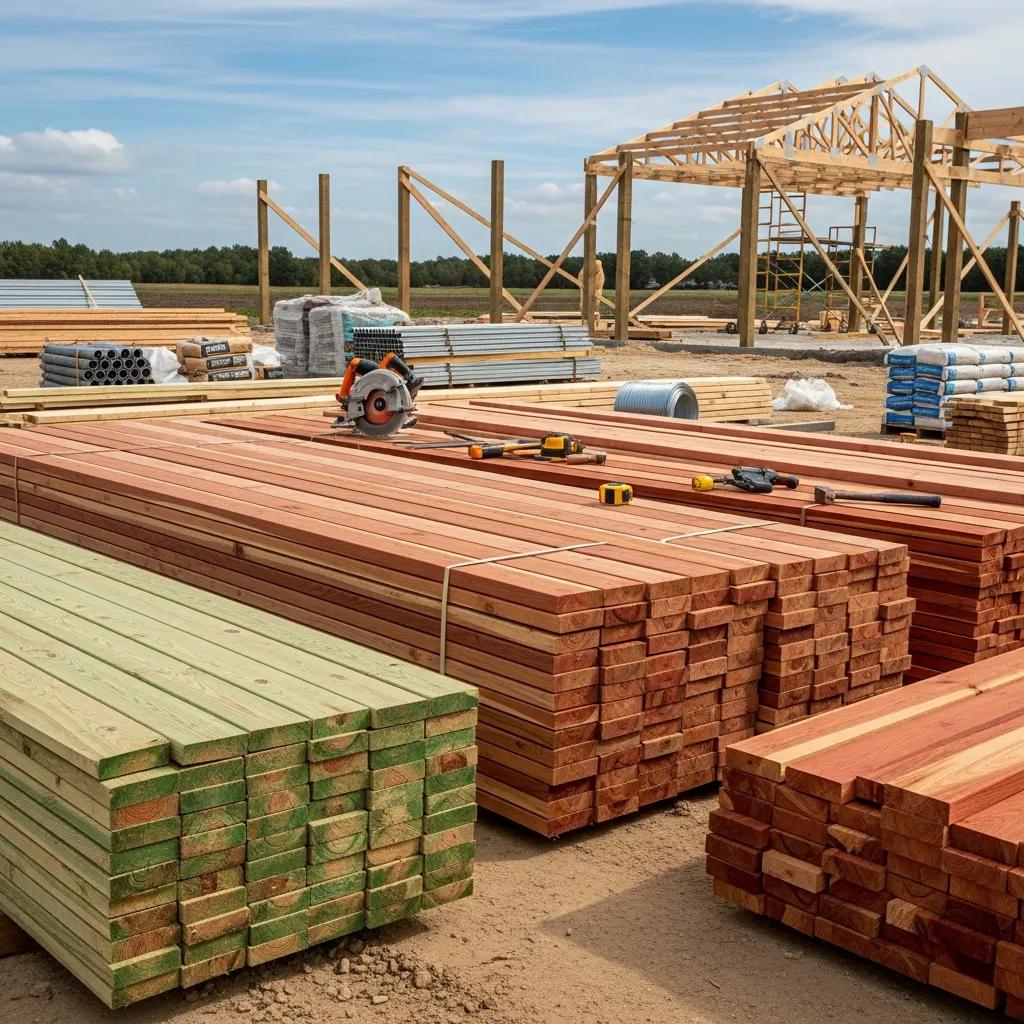
Wood is a popular choice for constructing custom pole barns due to its availability, versatility, and aesthetic appeal. The best wood materials for pole barns include “treated lumber”, which offers enhanced durability and resistance to pests and decay. Understanding the properties of different wood types is crucial for selecting the right material for your pole barn project.
Which Wood Types Offer the Best Durability and Weather Resistance?
When considering wood for pole barns, several types stand out for their durability and weather resistance. Treated lumber is often preferred because it undergoes a chemical process that protects it from moisture, insects, and decay. Other options include cedar and redwood, known for their natural resistance to rot and insects. The choice of wood should also take into account the local climate, as certain types may perform better in specific weather conditions.
How Does Wood Treatment Enhance Pole Barn Longevity?
Wood treatment significantly enhances the longevity of pole barns by providing a protective barrier against environmental factors. Common treatment methods include pressure treatment, which infuses wood with preservatives, and surface treatments that create a water-resistant layer. These treatments not only extend the life of the wood but also reduce maintenance needs, making treated wood a cost-effective choice for long-term use.
How Do Metal Materials Compare to Wood for Pole Barn Construction?
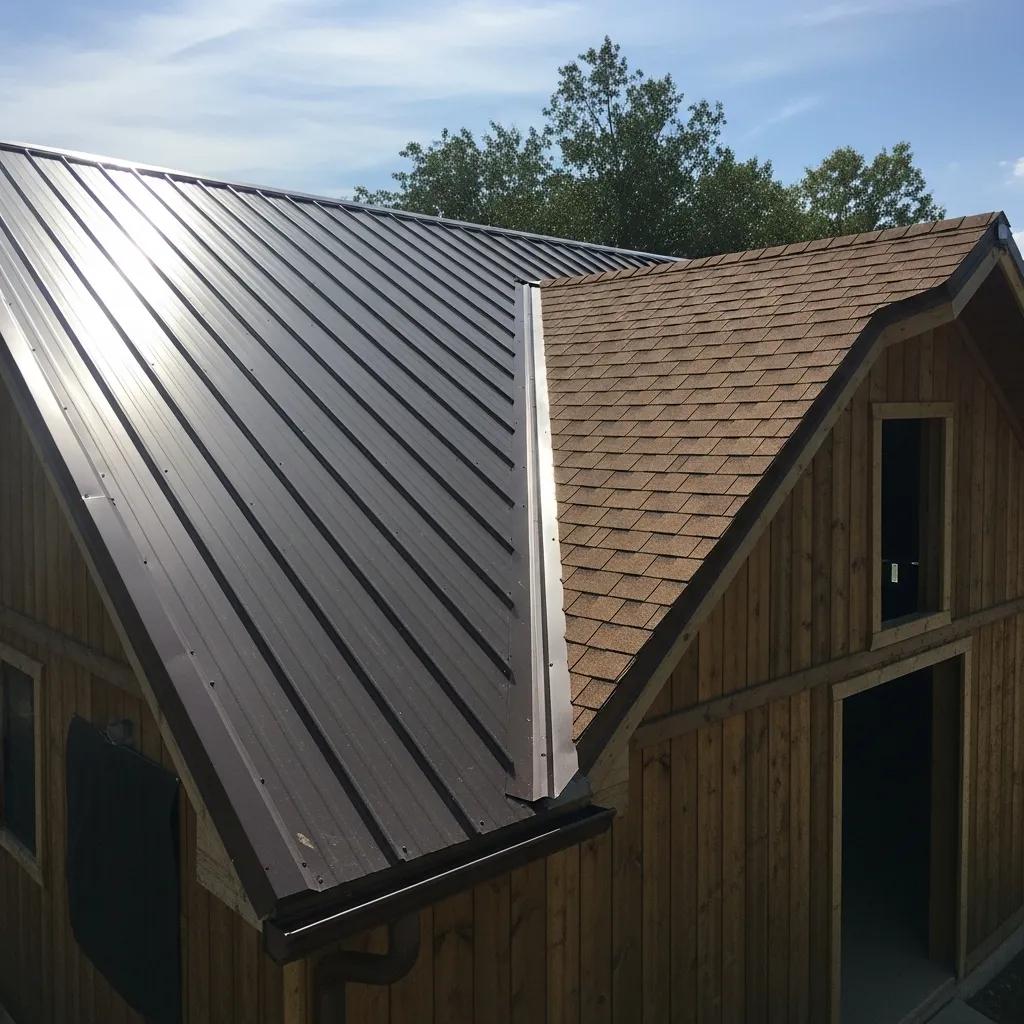
Metal materials, such as steel and aluminum, offer distinct advantages over wood in pole barn construction. They are known for their strength, durability, and low maintenance requirements. Understanding the benefits of metal materials can help builders make informed decisions when selecting materials for their pole barns.
What Are the Benefits of Steel and Aluminum in Pole Barns?
Steel and aluminum are favored for their exceptional strength and resistance to weather-related damage. Steel, in particular, is highly durable and can withstand harsh conditions, making it ideal for pole barns in areas prone to severe weather. Additionally, metal materials are often fire-resistant and do not warp or shrink like wood, providing a stable structure over time. Their longevity and low maintenance needs make them a cost-effective option in the long run.
Research further highlights the economic advantages of modern construction techniques, particularly when utilizing materials like galvanized steel and advanced insulation in prefabricated structures.
Cost-Effective Prefabricated Barns: Galvanized Steel & InsulationIn this study, planning, design and cost analysis of prefabricated beef cattle barns carried out. Steel mesh was used to strengthen the foundation of the structure. Galvanized-sheet material was used as the carrier and cover material, and shaped like a trapezoid cross-section. Polyurethane (PU) foam and extruded polystyrene sandwich panel (XSP) were used to provide heat and sound insulation. Cost analysis of the galvanized-sheet barns was compared with the barns constructed by the traditional production method. After analyses, we found that as the number of animals increased, barn cost per animal decreased. The cost reduction rates in the PU foam insulated galvanized-sheet barn were 30.1%, 32.7% and 30.6% for the 10, 20 and 30-cattle respectively.Design and Comparative Cost Analysis of Alternative Prefabricated Beef Cattle Barns with Conventional Barn Types, H Er, 2021
How Do Metal Coatings Improve Durability and Maintenance?
Metal coatings play a crucial role in enhancing the durability and maintenance of metal pole barns. Common coatings include galvanization, which protects steel from rust and corrosion, and paint finishes that provide an additional layer of protection. These coatings not only extend the life of the metal but also reduce the frequency of maintenance required, making metal pole barns a practical choice for many builders.
What Are the Best Roofing Materials for Custom Pole Barns?
Choosing the right roofing material is essential for ensuring the longevity and performance of a pole barn. Various options are available, each with its own set of benefits and drawbacks. This section will explore the most suitable roofing materials for custom pole barns.
How Do Metal Roofing and Shingles Compare in Performance?
Metal roofing and shingles are two popular choices for pole barn roofs. Metal roofing is known for its durability, longevity, and resistance to extreme weather conditions. It can last 40-70 years with minimal maintenance. In contrast, asphalt shingles are more affordable but typically have a shorter lifespan of 15-30 years. When selecting roofing materials, consider factors such as cost, longevity, and the specific climate in which the pole barn will be located.
Which Roofing Options Are Most Suitable for Climate in your Area?
Where temperatures can soar and rainfall is minimal, roofing materials must be chosen carefully. Metal roofing is particularly suitable due to its ability to reflect heat, keeping the interior cooler. Additionally, materials that can withstand high winds and resist UV damage are essential for ensuring the roof’s longevity. Options like tile roofing can also be considered for their aesthetic appeal and durability in hot climates.
Which Foundation Types Are Ideal for Pole Barn Stability and Longevity?
The foundation of a pole barn is critical for its stability and longevity. Various foundation types can be used, each with its own advantages and considerations. This section will discuss the most common foundation options for pole barns.
What Are the Advantages of Concrete Slab vs. Gravel Foundations?
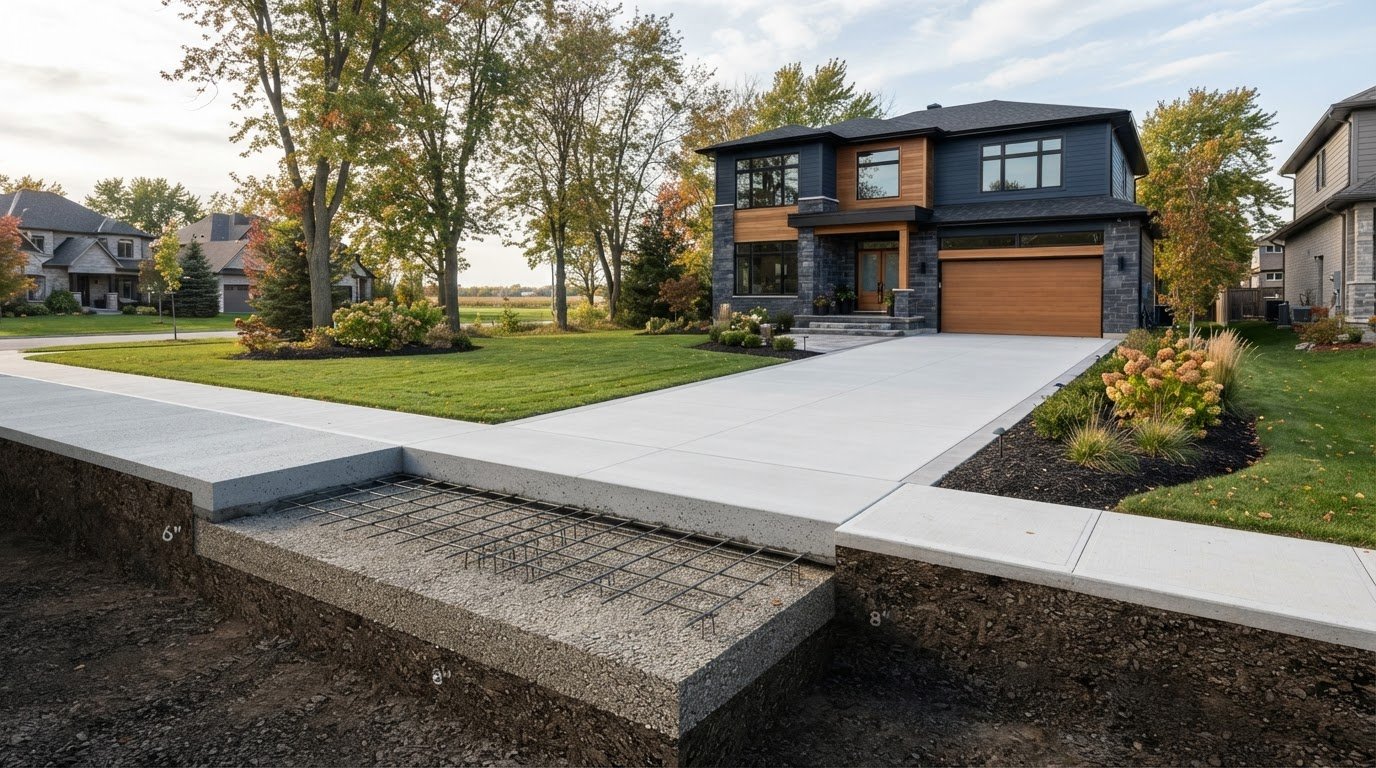
Concrete slab foundations provide a solid, durable base for pole barns, offering excellent stability and resistance to moisture. They are particularly beneficial in areas with high water tables. On the other hand, gravel foundations are more cost-effective and allow for better drainage, which can be advantageous in certain climates. The choice between these foundation types should be based on factors such as soil conditions, budget, and intended use of the pole barn.
How Do Local Building Codes Influence Foundation Choices?
Local building codes play a significant role in determining the appropriate foundation type for pole barns. These codes often specify requirements for load-bearing capacity, depth, and materials used. It is essential to consult local regulations before finalizing foundation plans to ensure compliance and avoid potential issues during construction.
How Do Cost and Maintenance Affect Material Selection for Pole Barns?
Cost and maintenance are critical factors that influence material selection for pole barns. Understanding the long-term financial implications of different materials can help builders make informed decisions.
What Are the Long-Term Costs of Wood vs. Metal Materials?
When comparing wood and metal materials, it is essential to consider both initial costs and long-term expenses. While wood may have a lower upfront cost, it often requires more maintenance and has a shorter lifespan compared to metal. In contrast, metal materials may have a higher initial investment but typically result in lower maintenance costs over time, making them a more economical choice in the long run.
What Maintenance Practices Extend Pole Barn Material Lifespan?
Regular maintenance is crucial for extending the lifespan of pole barn materials. For wood, this includes periodic inspections for signs of rot or insect damage, as well as reapplying protective treatments as needed. Metal materials should be inspected for rust and corrosion, with any damaged areas promptly repaired. Implementing these maintenance practices can significantly enhance the durability and longevity of pole barns.
How Do Environmental and Weather Factors Impact Material Choice?
Environmental and weather factors play a significant role in determining the best materials for pole barns. Heat and humidity can be extreme, selecting materials that can withstand these conditions is essential.
Which Materials Best Resist Heat, Humidity, and Wind?
Materials that resist heat, humidity, and wind are crucial for pole barns. Metal roofing and siding are excellent choices due to their durability and ability to reflect heat. Additionally, treated wood can withstand humidity better than untreated wood, making it a viable option for certain applications. Understanding the local climate and its impact on material performance is essential for making informed choices.
What Are the Latest Eco-Friendly Material Innovations for Pole Barns?
Recent innovations in eco-friendly materials have made it easier to construct sustainable pole barns. Options such as recycled steel, sustainably sourced wood, and eco-friendly insulation materials are gaining popularity. These materials not only reduce environmental impact but can also enhance energy efficiency, making them an attractive choice for environmentally conscious builders.