Key Customer Insights for Choosing the Right Inground Pool Type for Your Home
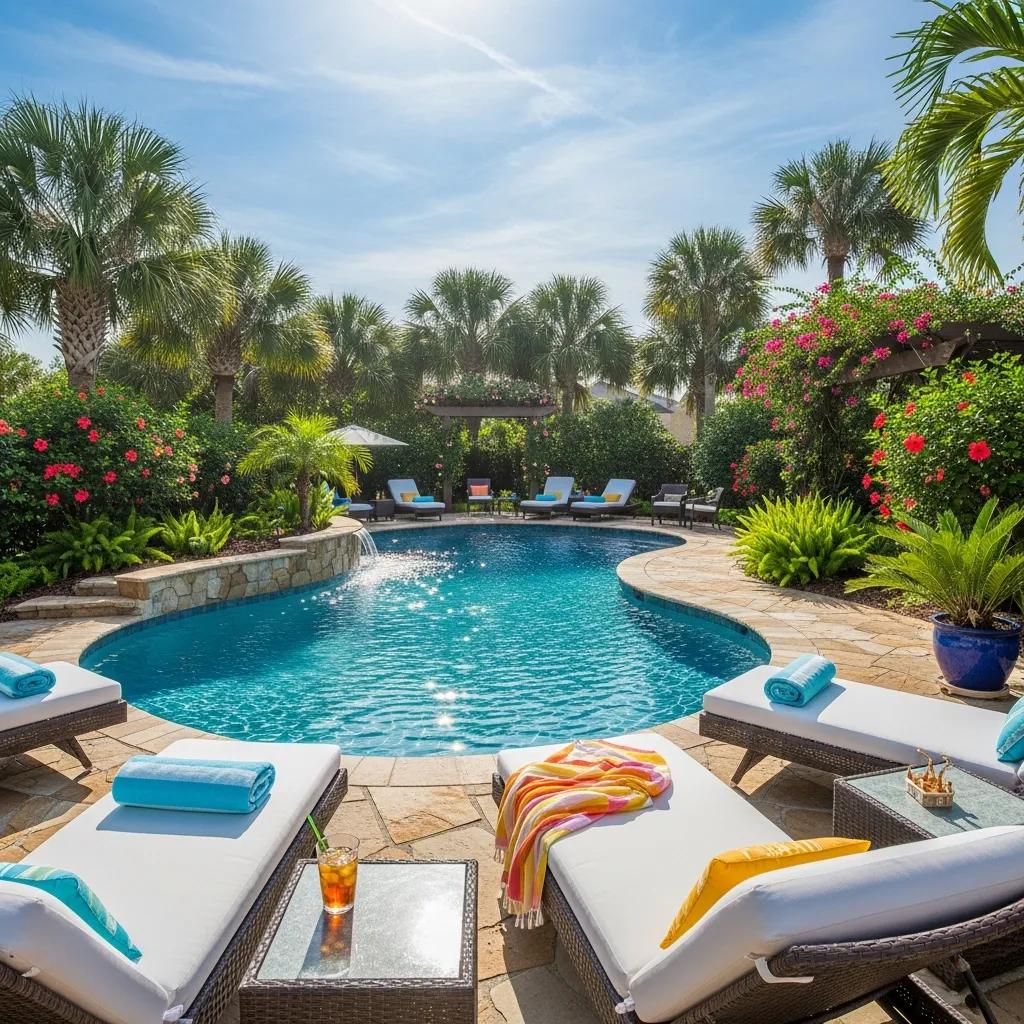
Selecting the right inground pool type for your home is a significant decision that can enhance your outdoor living experience. With various options available, understanding the unique characteristics of each pool type is essential for making an informed choice. This article will provide valuable insights into the different inground pool types, their benefits, and the factors to consider during the selection process. Homeowners often face challenges in balancing aesthetics, functionality, and maintenance when choosing a pool. By exploring key customer insights and expert guidance, you can navigate these challenges effectively. We will cover a comparison of pool types, expert selection criteria, installation considerations, maintenance tips, and local factors specific to Windsor and Essex County.
Pool Types Comparison
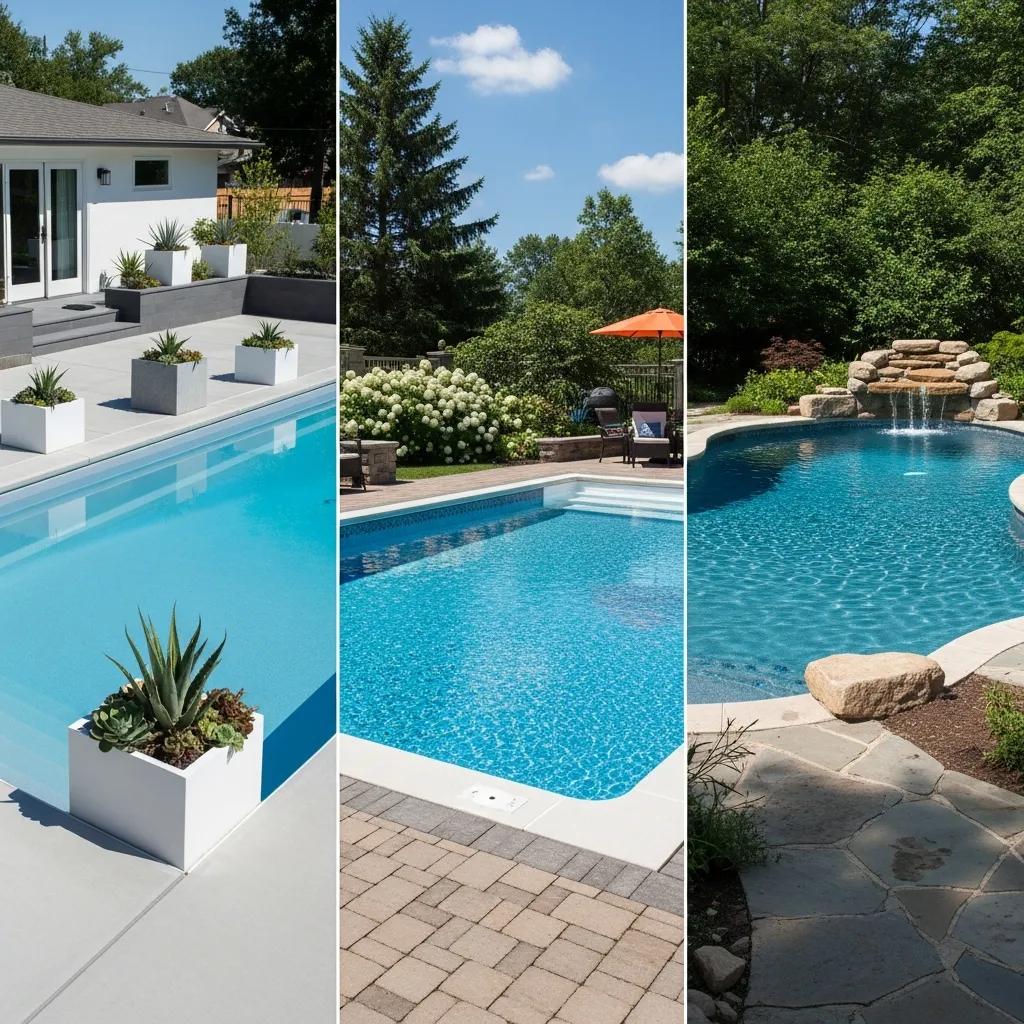
When considering an inground pool, it’s crucial to understand the differences between the main types: fiberglass, vinyl liner, and concrete pools. Each type has its unique benefits and considerations that can impact your decision.
-
Fiberglass Pools: These pools are pre-manufactured and installed in one piece, offering a smooth finish and low maintenance. They are resistant to algae growth and require fewer chemicals, making them a cost-effective option in the long run.
-
Vinyl Liner Pools: Vinyl pools are customizable and come in various shapes and sizes. They are generally less expensive to install but may require more maintenance over time due to liner replacement every 5-9 years.
-
Concrete Pools: Known for their durability and customization options, concrete pools can be designed to fit any shape or size. However, they require more maintenance and can be more expensive to install and maintain over time.
Further research delves into the fundamental material characteristics of these pool types, highlighting their structural differences.
Inground Pool Material Comparison: Concrete, Fiberglass, Vinyl Liner SystemsThe findings of this review indicate that monolithic structures, whether composed of concrete and plaster or fiberglass composites, can be characterized as chemically active systems.… Analysis of Material Biocompatibility in Small-Scale Aquatic Environments: Galvanized Steel/Vinyl Liner Systems vs.Monolithic Concrete and Fiberglass Pools, M Kustovskyi, 2025
Understanding these differences can help homeowners make a more informed choice based on their specific needs and preferences.
Expert Guidance on Selection Criteria
Choosing the right pool type involves several key factors that homeowners should consider. These include budget, maintenance preferences, and aesthetic goals.
-
Budget Considerations: Determine your overall budget for the pool project, including installation and long-term maintenance costs. Fiberglass pools may have a higher upfront cost but lower maintenance expenses, while vinyl pools may be more affordable initially but require future liner replacements.
-
Maintenance Preferences: Consider how much time and effort you are willing to invest in pool maintenance. Fiberglass pools typically require less upkeep, while concrete pools may need more frequent cleaning and chemical balancing.
-
Aesthetic Goals: Think about how the pool will fit into your overall landscape design. Concrete pools offer the most customization, allowing for unique shapes and finishes, while fiberglass pools come in pre-defined styles.
For those seeking professional assistance, Santarossa Group specializes in construction services, including inground pool installation, ensuring quality and reliability throughout the process.
Important Considerations for Installation
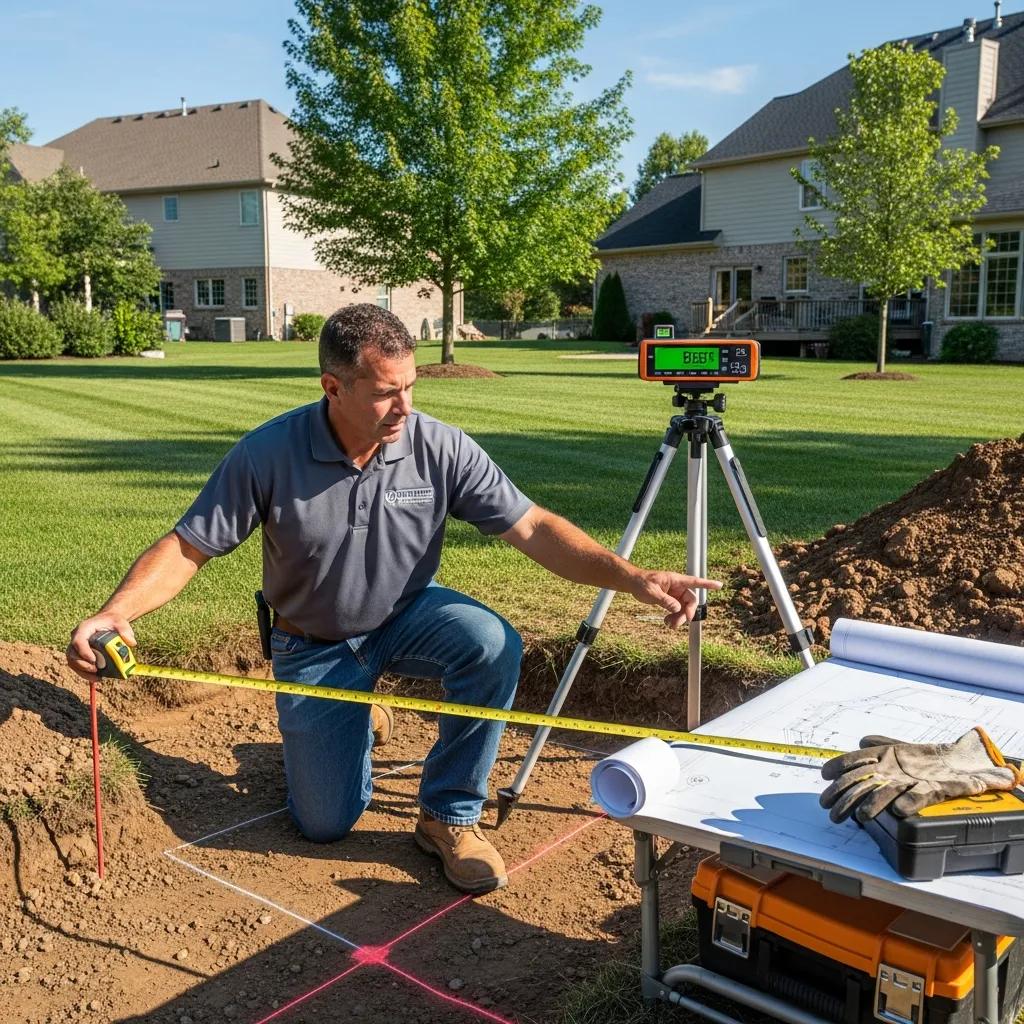
The installation of an inground pool involves several critical factors that can affect the overall success of the project. Homeowners should consider site evaluation, permits, and potential installation challenges.
-
Site Evaluation Importance: A thorough site evaluation is essential to determine the best location for your pool. Factors such as soil type, drainage, and proximity to utilities can impact installation and long-term performance.
-
Permits and Regulations: Before installation, homeowners must obtain the necessary permits and adhere to local regulations. This may include zoning laws and safety requirements that vary by location.
-
Installation Challenges: Be prepared for potential challenges during the installation process, such as weather delays or unexpected site conditions. Working with experienced professionals can help mitigate these issues.
Maintaining an inground pool is crucial for ensuring its longevity and performance. Here are some best practices for keeping your pool in top condition:
-
Regular Maintenance Schedule: Establish a routine maintenance schedule that includes cleaning, chemical balancing, and equipment checks. This will help prevent issues and extend the life of your pool.
-
Professional vs. DIY Maintenance: Consider whether you will handle maintenance yourself or hire professionals. While DIY maintenance can save money, professional services can provide expertise and ensure thorough care.
-
Seasonal Care Tips: Prepare your pool for seasonal changes by winterizing it in colder months and ensuring proper chemical levels during peak swimming season.
What Are the Main Types of Inground Pools Available?
Inground pools can be categorized into three main types: fiberglass, vinyl liner, and concrete. Each type offers distinct advantages and disadvantages that cater to different homeowner preferences.
-
Fiberglass Pools: These pools are known for their smooth surfaces and low maintenance needs. They are resistant to algae and require fewer chemicals, making them a popular choice for many homeowners.
-
Vinyl Liner Pools: Vinyl pools are customizable and available in various shapes and sizes. They are generally less expensive to install but may require more maintenance due to the need for liner replacements.
-
Concrete Pools: Concrete pools offer the most customization options and durability. However, they require more maintenance and can be more expensive to install and maintain over time.
Understanding these options can help homeowners select the best pool type for their needs.
How Do Concrete, Vinyl, and Fiberglass Pools Differ in Durability and Maintenance?
The durability and maintenance requirements of each pool type vary significantly, impacting long-term ownership costs.
-
Fiberglass Pools: These pools are highly durable and can last for decades with minimal maintenance. Their smooth surfaces reduce algae growth, leading to lower chemical usage.
-
Vinyl Liner Pools: While vinyl pools are less durable than fiberglass, they can still last 5-9 years before needing a liner replacement. Regular maintenance is essential to prevent damage to the liner.
-
Concrete Pools: Concrete pools are the most durable option, often lasting for decades. However, they require regular maintenance, including resurfacing and chemical balancing, which can increase long-term costs.
What Are the Aesthetic and Functional Benefits of Each Pool Material?
Each pool material offers unique aesthetic and functional benefits that can enhance your outdoor space.
-
Fiberglass Pools: These pools come in various colors and finishes, providing a sleek and modern look. Their low maintenance needs also make them a practical choice for busy homeowners.
-
Vinyl Liner Pools: Vinyl pools can be customized with different liner patterns and colors, allowing homeowners to create a unique look. They are also available in various shapes, making them versatile for different landscapes.
-
Concrete Pools: Concrete pools offer the highest level of customization, allowing for unique designs and finishes. They can be integrated into any landscape, providing a luxurious and personalized touch.
What Do Customers Value Most When Selecting an Inground Pool?
When selecting an inground pool, customers prioritize several key factors that influence their decision-making process.
-
Features and Customization: Homeowners often seek pools that offer unique features, such as built-in spas, waterfalls, or lighting options. Customization allows them to create a pool that fits their lifestyle and preferences.
-
Aesthetic Integration: The pool’s design should complement the overall landscape and home architecture. Customers value pools that enhance their outdoor living space and provide a cohesive look.
-
Maintenance Considerations: Many customers prioritize low-maintenance options to reduce the time and effort required for upkeep. This is particularly important for busy families or individuals.
How Does Customer Experience Influence Pool Material Choice?
Customer experience plays a significant role in influencing the choice of pool materials. Homeowners often rely on feedback from friends, family, and online reviews to guide their decisions.
-
Durability Preferences: Customers tend to favor materials that have proven durability and longevity. Positive experiences with fiberglass or concrete pools can lead to increased interest in these options.
-
Maintenance Ease: Homeowners appreciate materials that require less maintenance, as this can significantly impact their overall satisfaction with the pool. Experiences shared by others can influence their preferences.
-
Cost-Effectiveness: Customers often consider the long-term costs associated with different materials. Positive experiences with low-maintenance options can lead to a preference for fiberglass or vinyl pools.
What Are Common Customer Concerns Regarding Cost and Maintenance?
Cost and maintenance are two primary concerns for homeowners when selecting an inground pool. Understanding these concerns can help address potential barriers to purchase.
-
Initial Investment vs. Long-Term Costs: Homeowners often weigh the initial investment against long-term maintenance costs. Fiberglass pools may have a higher upfront cost but lower ongoing expenses.
-
Maintenance Frequency: Customers are concerned about how often they will need to maintain their pools. Understanding the maintenance requirements of each type can help alleviate these concerns.
-
Repair Costs: Homeowners want to know the potential repair costs associated with different pool types. Transparent information about maintenance and repair needs can help build trust and confidence in their choice.
How Does the Inground Pool Installation Process Impact Customer Satisfaction?
The installation process is a critical factor that can significantly impact customer satisfaction. Homeowners value clear communication and quality workmanship throughout the project.
-
Communication During Installation: Regular updates and clear communication from the contractor can enhance the customer experience. Homeowners appreciate being informed about progress and any potential issues.
-
Quality of Workmanship: The quality of the installation directly affects the pool’s performance and longevity. Homeowners are more likely to be satisfied with their purchase if the installation is done correctly.
-
Timeliness and Budget Adherence: Customers value contractors who adhere to timelines and budgets. Delays or unexpected costs can lead to frustration and dissatisfaction.
What Is the Typical Timeline for Installing Different Pool Types?
The installation timeline for inground pools can vary based on the type of pool and site conditions. Understanding these timelines can help homeowners plan accordingly.
-
Vinyl Pools: Typically, vinyl pool installations can be completed within 4-6 weeks, depending on site conditions and weather.
-
Fiberglass Pools: Fiberglass pools can often be installed in 2-4 weeks, as they are pre-manufactured and require less time for excavation and construction.
-
Concrete Pools: Concrete pool installations usually take the longest, often ranging from 8-12 weeks due to the extensive construction and curing processes involved.
How Does Professional Construction Service Ensure Quality and Reliability?
Hiring a professional construction service is essential for ensuring quality and reliability in pool installation. Experienced contractors bring valuable expertise to the project.
-
Site Evaluation Importance: Professionals conduct thorough site evaluations to identify potential challenges and ensure proper installation. This expertise can prevent costly mistakes.
-
Expertise and Tools: Professional contractors have the necessary tools and knowledge to handle complex installations. Their experience can lead to a smoother process and better results.
-
Quality Workmanship: Hiring a reputable contractor ensures that the installation meets industry standards and local regulations, providing peace of mind for homeowners.
What Local Considerations Should Homeowners in Windsor and Essex County Know?
Homeowners in Windsor and Essex County should be aware of specific local factors that can impact pool installation and maintenance.
-
Climate Factors: The local climate can influence pool design and materials. Homeowners should consider how seasonal changes may affect their pool’s performance and maintenance needs.
-
Zoning Regulations: Local zoning laws may dictate pool placement and design. Homeowners should familiarize themselves with these regulations to avoid potential issues during installation.
-
Community Preferences: Understanding community preferences can help homeowners select a pool type that aligns with local trends and expectations.
Which Pool Regulations Affect Installation and Design Choices?
Pool regulations play a crucial role in determining how and where pools can be installed. Homeowners must be aware of these regulations to ensure compliance.
-
Permit Requirements: Most municipalities require permits for pool installation. Homeowners should check with local authorities to understand the necessary permits and application processes.
-
Zoning Bylaws: Zoning bylaws may dictate setbacks, pool size, and design features. Homeowners should review these regulations to ensure their pool meets local standards.
-
Site Conditions: Local site conditions, such as soil type and drainage, can impact installation. Homeowners should work with professionals who understand these factors to ensure a successful project.
How to Select a Trusted Local Contractor for Inground Pool Construction?
Choosing the right contractor is essential for a successful pool installation. Homeowners should consider several factors when selecting a local contractor.
-
Qualifications to Look For: Look for contractors with relevant experience and certifications in pool construction. This can help ensure quality workmanship and compliance with regulations.
-
Questions to Ask Potential Contractors: Homeowners should ask potential contractors about their experience, references, and warranty policies. This information can help gauge their reliability and expertise.
-
Tips for Evaluating Reliability: Check online reviews and ask for recommendations from friends or family. A contractor with a strong reputation is more likely to deliver a satisfactory experience.