Selecting the right contractor in Windsor is essential to ensure your home addition meets both your vision and professional standards. This guide provides homeowners with the information required to make an informed choice, outlining the principal factors to evaluate when comparing contractors. By understanding key elements such as licensing, experience and local expertise, you can avoid common pitfalls and help your project proceed efficiently. The article also profiles Santarossa Group, a local construction firm that offers comprehensive services including home additions and custom residential work. We review how to assess contractor credentials, the main cost drivers, and the value of free site evaluations to support your decision making.
Key Considerations:
Selecting an appropriate contractor for a home addition requires assessing factors that directly affect project quality and outcome. The principal considerations are:
-
Licensing and Insurance: Ensure that any contractor you consider is licensed and insured. This protects you in the event of accidents or issues during the construction process.
-
Experience and Portfolio: Look for contractors who have a robust experience in home additions. Reviewing their portfolio can give you insights into their craftsmanship and stylistic capabilities.
-
Local Knowledge: Contractors who are familiar with the Windsor area can navigate local building codes and regulations effectively, ensuring a smoother process.
These factors form the foundation of contractor selection and help ensure you engage a professional experienced in home addition projects.
Tips for Evaluating Contractors:
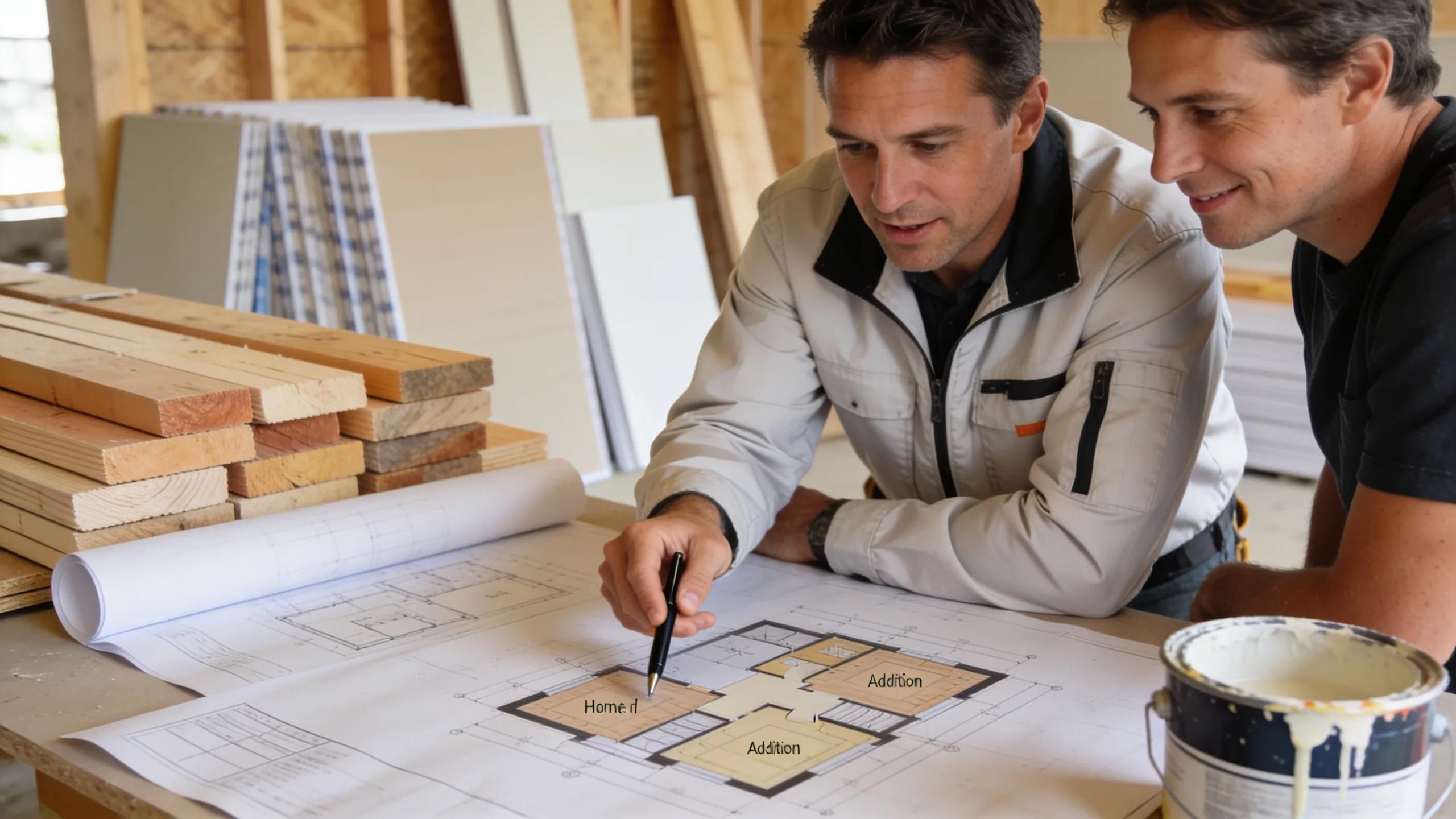
Effective vetting methods save time and reduce financial risk. Consider the following practical strategies when evaluating potential contractors:
-
Check Reviews and References: Look for authentic customer feedback on platforms or request direct references from previous clients. This gives you real insight into their work ethic and reliability.
-
Interview Multiple Contractors: Engaging with several candidates provides you a comparative view of their approaches, pricing, and availability. This process will help you gauge who aligns best with your vision.
-
Request Detailed Quotes: Ensure you get itemized estimates from contractors. This helps in understanding the breakdown of pricing and avoids unexpected charges.
Applying these evaluation strategies narrows your options and increases confidence in the contractor you ultimately select.
Essential Questions to Ask:
During contractor interviews, it is important to ask precise questions that clarify qualifications and working methods. Consider the following enquiries:
-
What is your project management process? Understanding how they oversee various stages of the project can be enlightening about their efficiency and organizational skills.
-
What costs are involved, and can you break them down? A transparent answer helps clarify the financial aspect and potential areas of hidden costs.
-
What is your estimated timeline for completion? This question assists in managing your expectations based on their previous projects’ durations.
Asking these questions confirms whether a contractor’s capabilities align with your project requirements and expectations.
Strategies to Ensure Quality Workmanship:
Maintaining high workmanship standards is essential for any home addition. Implement the following strategies to preserve quality throughout the project:
-
Set Clear Expectations: Articulate your vision and requirements clearly from the outset to avoid miscommunications later.
-
Document Everything: Keep a written record of all agreements, changes, and milestones. This documentation can be crucial in resolving disputes.
-
Conduct Regular Check-Ins: Maintaining contact with your contractor during the process helps ensure that the project adheres to your specifications and standards.
Adopting these measures supports the delivery of a home addition completed to the expected standards.
What Credentials and Licenses Must Home Addition Contractors Have in Windsor?
In Windsor, several key credentials and licences are necessary for contractors to operate lawfully and professionally. Recognising these credentials helps you evaluate a contractor’s professionalism. The primary requirements include:
-
Provincial Licensing: Contractors must be licensed in Ontario to legally perform construction work, which demonstrates a baseline of professional knowledge.
-
General Liability Insurance: This is critical to protect homeowners against potential damage or accidents that may occur during the project.
-
WSIB Registration: This indicates that the contractor is registered with the Workplace Safety and Insurance Board, ensuring that their employees are covered in the event of workplace injuries.
Awareness of these requirements helps confirm that the contractor you select meets local standards and protects your interests.
Which Contractor Licenses and Insurance Coverages Ensure Reliable Service?
Reliability is closely tied to the licences and insurance a contractor holds. When assessing candidates, focus on these aspects:
-
Insurance Requirements: Confirm that contractors carry general liability insurance and, if applicable, workers’ compensation insurance to cover accidents.
-
Specializations: Some licenses may denote specialties in particular aspects of home construction. Ensure that your contractor holds licenses relevant to home additions.
-
Proof of Active Coverage: Always ask for proof of the contractor’s insurance policies before beginning any work; this ensures you won’t be held liable in case of misfortune.
Understanding these coverage elements assists you in choosing a contractor prepared to manage the complexities of a home addition.
How Do Local Building Codes Affect Contractor Qualifications in Essex County?
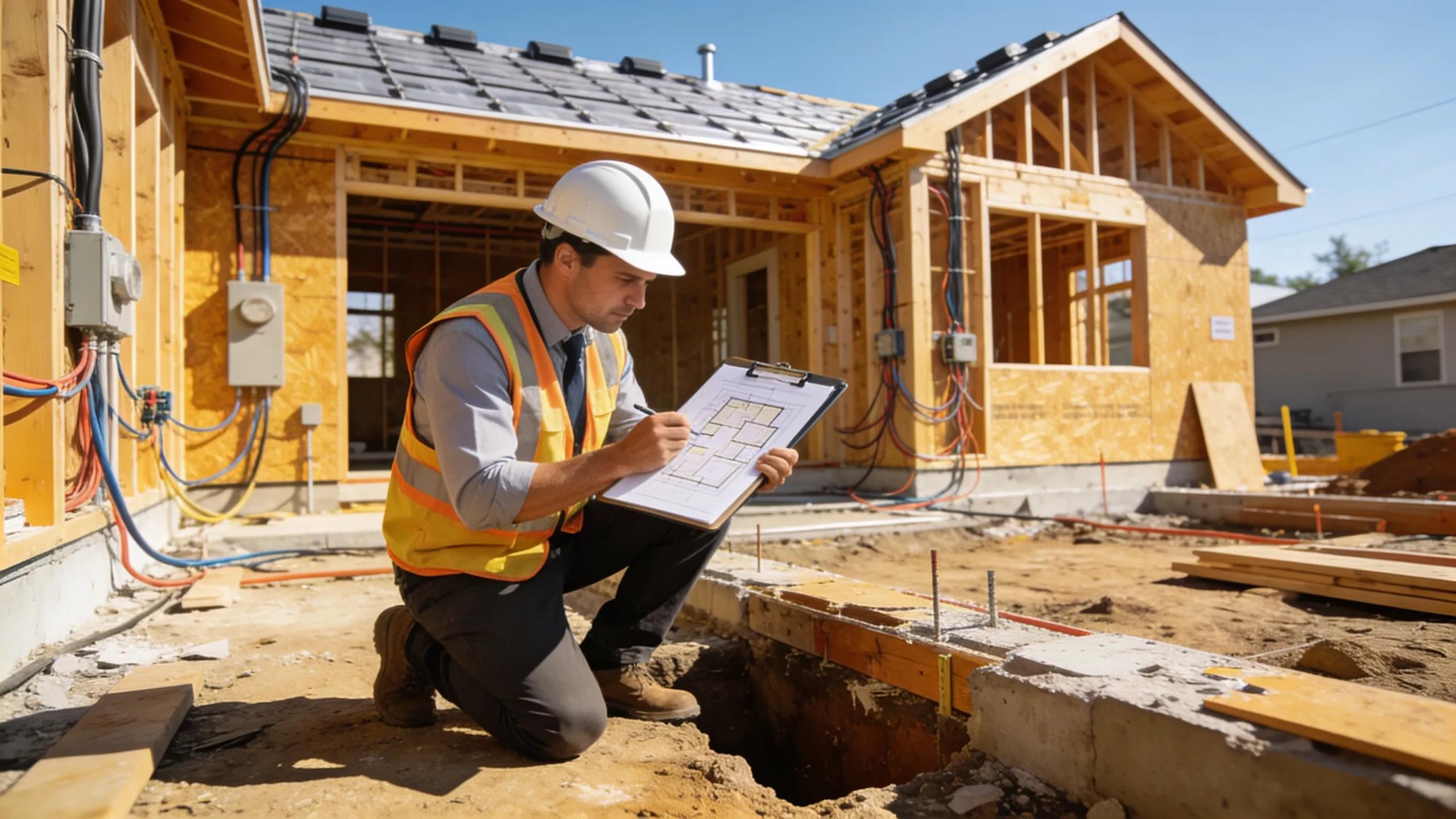
Local building codes shape contractor responsibilities and project procedures. Their impact on the contracting process includes the following points:
-
Knowledge of Local Codes: Contractors must be well-versed in the specific building codes applicable within Essex County to ensure compliance at every construction stage.
-
Permit Requirements: Certain home additions require various city permits. Contractors should understand what approvals are necessary and how to secure them.
-
Compliance and Inspections: Knowing the inspection process associated with local codes can alert contractors to potential issues during construction, ensuring all work adheres to standards.
Familiarity with local building codes provides a benchmark for assessing a contractor’s ability to meet regulatory requirements throughout the project.
What Are the Key Factors Influencing Home Addition Costs in Windsor, Ontario?
Costs for home additions vary according to several primary factors. Key determinants include the following:
-
Material Choices: The quality and type of materials selected can significantly affect pricing, with high-grade materials leading to more substantial costs but potentially greater durability.
-
Labor Expenses: Labor costs are an essential component of overall expenditure. The experience level and efficiency of the contractor’s crew can influence total labor charges.
-
Design Complexities: If the addition involves intricate designs or architectural features, expect higher costs due to the increased planning and labor involved.
As of 2023, home additions in Windsor typically range from CAD 150 to CAD 300 per square foot, which highlights the importance of these cost factors when budgeting for your project.
How Does Project Scope and Design Impact Price Estimates?
The scope and design of a project are central to price estimates. Several elements directly affect contractors’ bids and final costs:
-
Different Types of Additions: The nature of the addition—be it a simple room extension or a complex multi-story addition—affects cost significantly.
-
Material Choices: Selecting higher-end materials can enhance the aesthetic and longevity of the addition but also elevate the budget.
-
Design Complexity: Custom designs often come with more significant labor costs and require additional time for planning, further impacting overall expenses.
Understanding how scope and design affect pricing enables homeowners to refine project requirements to align with budget constraints.
What Are Typical Cost Ranges and Recent Trends for Home Additions in Windsor?
Awareness of cost ranges and market trends aids realistic budgeting. Relevant considerations include the following:
-
Average Pricing by Type: Typical costs vary widely, depending on the type of addition planned. For instance, simple room extensions might start at CAD 150 per square foot, while comprehensive second-story additions can reach CAD 300 or more.
-
Factors Influencing Costs: Beyond the basic structure, elements such as landscaping and interior finishes can also contribute to overall costs, making entire project budgeting critical.
-
Setting Budget Expectations: Recent trends indicate that homeowners are increasingly seeking out energy-efficient materials and sustainable designs, which may influence cost discussions with contractors.
Familiarity with these ranges and trends helps homeowners set realistic budget expectations for their home addition projects.
What Is the Step-By-Step Process for Hiring a Home Addition Contractor?
The contractor hiring process should be systematic to ensure informed decisions. A straightforward sequence is as follows:
-
Identify Key Qualifications: Initially, determine what qualifications are essential for your project so you can evaluate contractors effectively.
-
Evaluate Proposals: After receiving bids, carefully review each contract’s details to understand what services and materials are offered.
-
Finish with a Signed Contract: Once you choose a contractor, ensure that all agreements are documented in detail through a formally signed contract before work commences.
Adhering to these steps streamlines contractor selection and helps projects proceed in an organised manner.
Which Questions Should Homeowners Ask During Contractor Consultations?
During consultations, homeowners should ask focused questions to assess competence and fit. Important enquiries include:
-
What are your project management practices? This question yields insight into how the contractor organizes their time and resources throughout the build.
-
Can you provide detailed information about costs and contracts? Requesting clarity on charges helps to establish transparency and avoid misunderstandings later.
-
How do you manage timelines and potential delays? Understanding how the contractor handles scheduling can provide a clearer picture of when your project will finish.
These questions promote substantive discussion and assist homeowners in identifying a contractor aligned with their project expectations.
How Does Scheduling a Free Site Evaluation and Quote Enhance Decision-Making?
Scheduling a complimentary site evaluation and quote provides several tangible benefits for homeowners. Key advantages include:
-
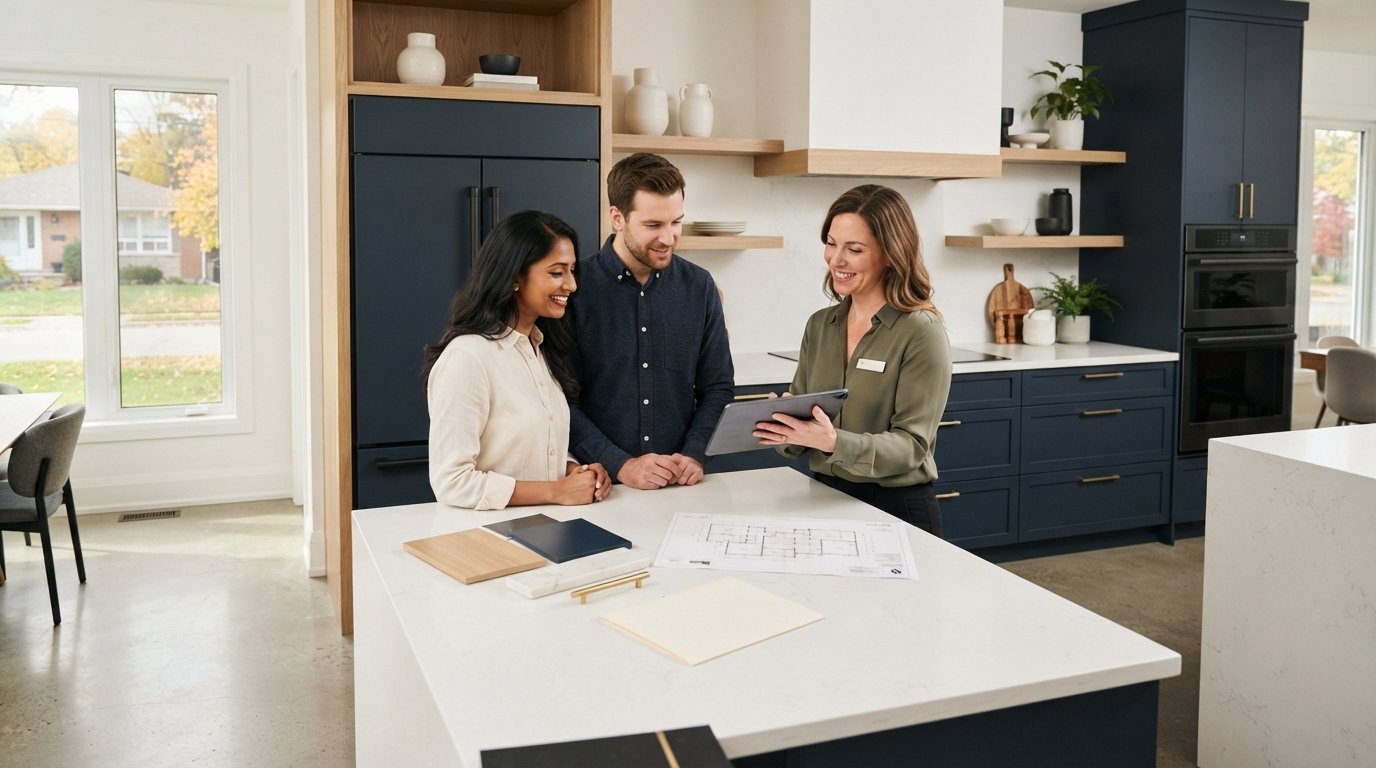
Tailored Recommendations: A site evaluation allows contractors to offer personalized advice and options that best suit your space and needs.
-
Accurate Cost Estimates: By assessing the site firsthand, contractors can provide more precise cost estimates, avoiding significant discrepancies later.
-
Understanding Local Codes: Experienced contractors can advise on local code requirements based on your specific property, ensuring compliance is met.
Proactively arranging evaluations delivers clarity on the project scope and fosters collaborative planning with prospective contractors.
Why Is Understanding Local Building Permits and Codes Crucial When Choosing a Contractor?
Knowledge of local permits and codes is essential when selecting a contractor. Its importance is reflected in the following aspects:
-
Project Compliance: Ensuring that a contractor understands the regulations helps guarantee that your home addition remains compliant with local laws.
-
Avoiding Legal Issues: Knowledgeable contractors are less likely to encounter costly legal entanglements related to violations during construction.
-
Impact on Timelines and Costs: Understanding what permits are necessary can influence project timelines and overall costs.
Working with a contractor who comprehensively understands permits and codes increases the likelihood of a compliant project delivered without unnecessary delays.
What Permits Are Required for Home Additions in Windsor and Essex County?
Several permits are typically required for home additions in Windsor and Essex County to ensure compliance with local regulations. Key requirements include:
-
Building Permits Needed: Most home additions require a building permit to ensure that the project meets health and safety standards.
-
Zoning Approvals: Zoning laws may dictate specific requirements for setbacks, heights, and property use that must be adhered to.
-
Special Permits for Unique Projects: Certain additions, like those affecting historical properties, may necessitate additional special permits.
Recognising these permit requirements is essential to maintaining compliance and ensuring the smooth progression of your home addition.
How Do Contractors Assist Homeowners with Compliance and Permit Acquisition?
Contractors provide important support in managing compliance and obtaining permits. Their assistance typically includes the following services:
-
Knowledge of Regulations: Experienced contractors are well-versed in local codes and regulations, ensuring that projects meet all legal standards.
-
Permit Application Process: Contractors can handle the application process for necessary permits, reducing the administrative burden on homeowners.
-
Inspection Coordination: Throughout construction, contractors coordinate inspections to verify compliance at various project phases, ensuring that standards are consistently met.
Relying on a contractor’s expertise in compliance and permitting improves project efficiency and reduces the administrative load on the homeowner.
How Do Client Testimonials and Case Studies Influence Selecting the Best Home Remodelers in Windsor?
Client testimonials and case studies offer practical evidence of a contractor’s past performance and can significantly inform your choice. They contribute in the following ways:
-
Trust-Building Through Feedback: Positive testimonials foster trust and confidence in a contractor’s abilities, offering reassurance based on previous experiences.
-
Decision-Making Influences: Reviews can significantly influence the decision-making process, showcasing a contractor’s strengths or highlighting potential concerns.
-
Comparative Quality Assessment: By studying case studies, homeowners can compare the quality and aesthetics of completed projects, enabling better assessments of potential contractors.
Giving weight to customer feedback in your selection process increases the likelihood of a reliable and satisfactory home addition outcome.
What Can Homeowners Learn from Previous Project Reviews and Success Stories?
Reviews and success stories provide concrete lessons for homeowners planning additions. They reveal several useful indicators:
-
Reliability Indications: Testimonials provide insights into a contractor’s reliability, illustrating how they handle challenges during projects.
-
Quality of Workmanship Assessments: Analyzing the quality of finished projects through reviews informs homeowners about expected craftsmanship.
-
Patterns and Trends: Consistent themes in past project feedback can offer insights into what homeowners can expect in terms of service and results.
Using insights from prior projects enhances decision making and helps set realistic expectations for your own renovation.
How Does Santarossa Group Demonstrate Expertise Through Residential Construction Projects?
Santarossa Group demonstrates expertise across a range of residential construction projects, including home additions. Evidence of their capabilities includes the following:
-
Comprehensive Services Offered: Their range of services encompasses custom home renovations and site evaluations, positioning them as versatile and knowledgeable contractors.
-
Local Knowledge and Customization: Their familiarity with Windsor’s regulations allows them to provide tailored solutions that comply with local standards.
-
Quality Assurance Practices: Santarossa Group emphasizes quality through thorough project management and customer engagement, ensuring that each project meets or exceeds homeowner expectations.
These elements indicate that Santarossa Group can serve as a dependable partner for home addition projects in Windsor, supported by a commitment to professional standards.
Frequently Asked Questions
What is the average timeline for a home addition project in Windsor?
The timeline for a home addition varies with project scope, design complexity and weather. Generally, homeowners in Windsor should expect a timeframe of approximately three to six months from initial planning to completion. This estimate includes time for permits, finalising designs and construction. Maintain regular communication with your contractor to manage schedule adjustments and respond to unforeseen delays.
What are the financing options available for home additions?
Homeowners may finance additions through several routes, including home equity loans or lines of credit that use existing home equity, personal loans and construction loans designed for renovations. Additionally, FHA 203(k) loans permit financing of purchase and renovation together. Compare interest rates and loan terms and consult a financial advisor to determine the most suitable option for your circumstances.
How can I ensure my contractor stays on budget?
To help ensure budget adherence, establish a clear budget before work begins and communicate constraints to prospective contractors. Request itemised quotes to compare costs and ensure transparency. Maintain regular project meetings to review milestones and budget status, and document any changes with agreed costs before proceeding to limit financial surprises.
What types of home additions are most popular in Windsor?
Common home additions in Windsor include room extensions, sunrooms and second-story additions. Room extensions increase living space and suit expanding families; sunrooms add natural light and connect indoor and outdoor living; second-story additions maximise space without expanding the footprint. The choice should reflect household needs and design preferences.
How important is it to have a contract with my contractor?
A written contract is essential to protect both homeowner and contractor. It should define the scope of work, payment schedule and timelines, and include terms for handling delays, changes and warranties. The contract serves as legal documentation in the event of disputes; review it carefully before signing.
Can I live in my home during a renovation project?
Living at home during renovations is often possible but depends on the scale of work. Minor projects may allow occupants to remain with minimal disruption, whereas major additions can affect daily routines, noise levels and access to key areas. Discuss livability concerns with your contractor and consider temporary accommodation if significant disruption is anticipated.
What should I include in my homeowner’s insurance policy regarding home additions?
Notify your insurer about planned renovations to confirm adequate coverage. You may need to increase dwelling coverage to reflect the addition’s value and verify whether structural changes and construction-related risks are covered. Consult your insurer to ensure your policy appropriately protects the investment during and after construction.
Conclusion
Completing a successful home addition depends on engaging qualified contractors who share your vision and comply with local regulations. Informed selection yields clearer timelines, transparent pricing and adherence to building codes, all of which reduce stress and improve project outcomes. To begin, consider scheduling a free site evaluation to review options with a trusted contractor and proceed with confidence.