
Selecting an appropriate service provider is essential when planning a home addition. Homeowners in Windsor must manage budget, quality and schedule considerations. This article outlines the key factors to evaluate when comparing home addition services, including cost assessment, contractor reputation and permit requirements. Addressing these areas enables an informed decision that aligns with project objectives and financial constraints.
Cost
A clear understanding of costs is essential for homeowners. In Windsor, typical costs range from CAD 150 to CAD 300 per square foot. Project complexity, material selection and the type of addition materially affect these estimates.
Homeowners must also consider potential unexpected expenses arising from scope changes or additional permits. Establish a clear budget and include a contingency fund to address unforeseen costs. Key cost factors to consider include:
-
Square Footage: Larger additions often come with proportionately higher costs.
-
Material Choices: Premium materials can elevate the overall price, while budget options might limit options for design and durability.
-
Labor Costs: Skilled labor is crucial for a high-quality finish, affecting the overall budget.
Developing a detailed budget clarifies expected costs and strengthens negotiations with contractors, helping to balance quality and price.
When evaluating construction options, recognise the range of available services. For example, pole barn builder projects may present different costs and benefits compared with a conventional home addition.
Cost Factors and Budgeting Tips
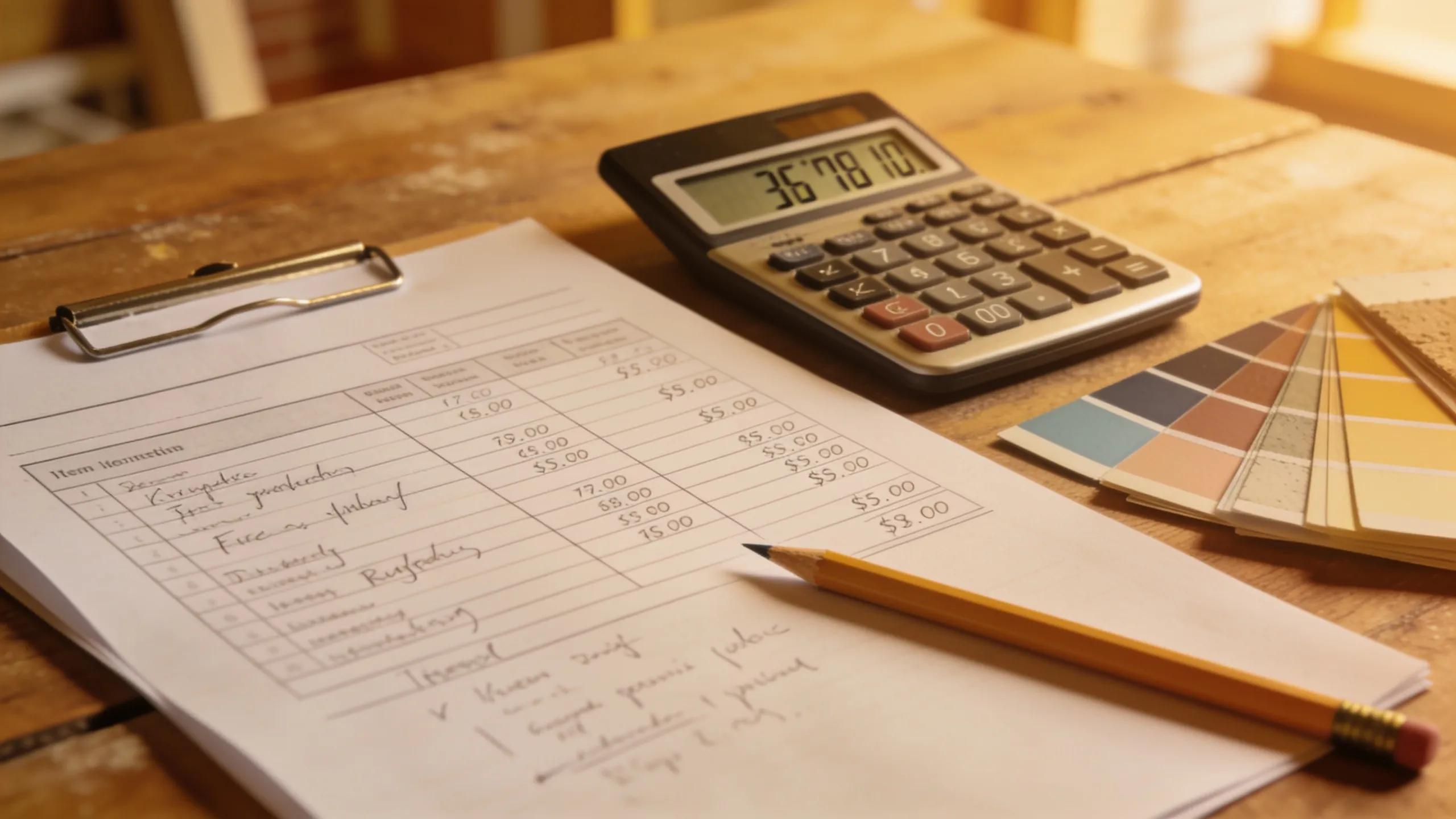
When engaging home addition services, it is important to consider the factors that influence costs. The major elements are as follows:
|
Aspect |
Cost Range |
Description |
|
Square Footage |
CAD 150 – CAD 300 |
Costs can vary significantly based on the size of the addition. |
|
Material Quality |
Variable |
Higher quality materials usually increase overall costs. |
|
Labor Fees |
Variable |
Skilled labor costs can fluctuate based on demand and contractor reputation. |
Understanding these factors supports more accurate budgeting and contributes to a successful, financially sound home addition.
Quality
Assessing contractor quality is a vital consideration for homeowners. Quality workmanship ensures the addition meets aesthetic expectations and complies with local building regulations.
To assess the quality of potential contractors, consider the following steps:
-
Check Customer Reviews: Online platforms can provide insights into a contractor’s reliability and workmanship.
-
Review Project Portfolios: A strong portfolio demonstrates a firm’s capabilities and style.
-
Conduct Reference Checks: Speaking to past clients can provide context about contractors’ performance and reliability.
Credentials such as licensing and insurance coverage are key indicators of a contractor’s professionalism and commitment to quality.
Timelines
Clarifying project timelines is essential to set realistic expectations. Contractors will have different scheduling approaches; understanding their projections helps align your plans.
When communicating with contractors, consider asking about:
-
Project Milestones: Establish clear milestone dates for the various phases of construction.
-
Potential Delays: Discuss possible scenarios that may cause delays, such as permitting issues or supply chain disruptions.
-
Completion Timeframes: Ensure they provide rough estimates based on their previous projects.
Open communication about timelines helps manage expectations and reduces the risk of disputes.
Contractor Reputation
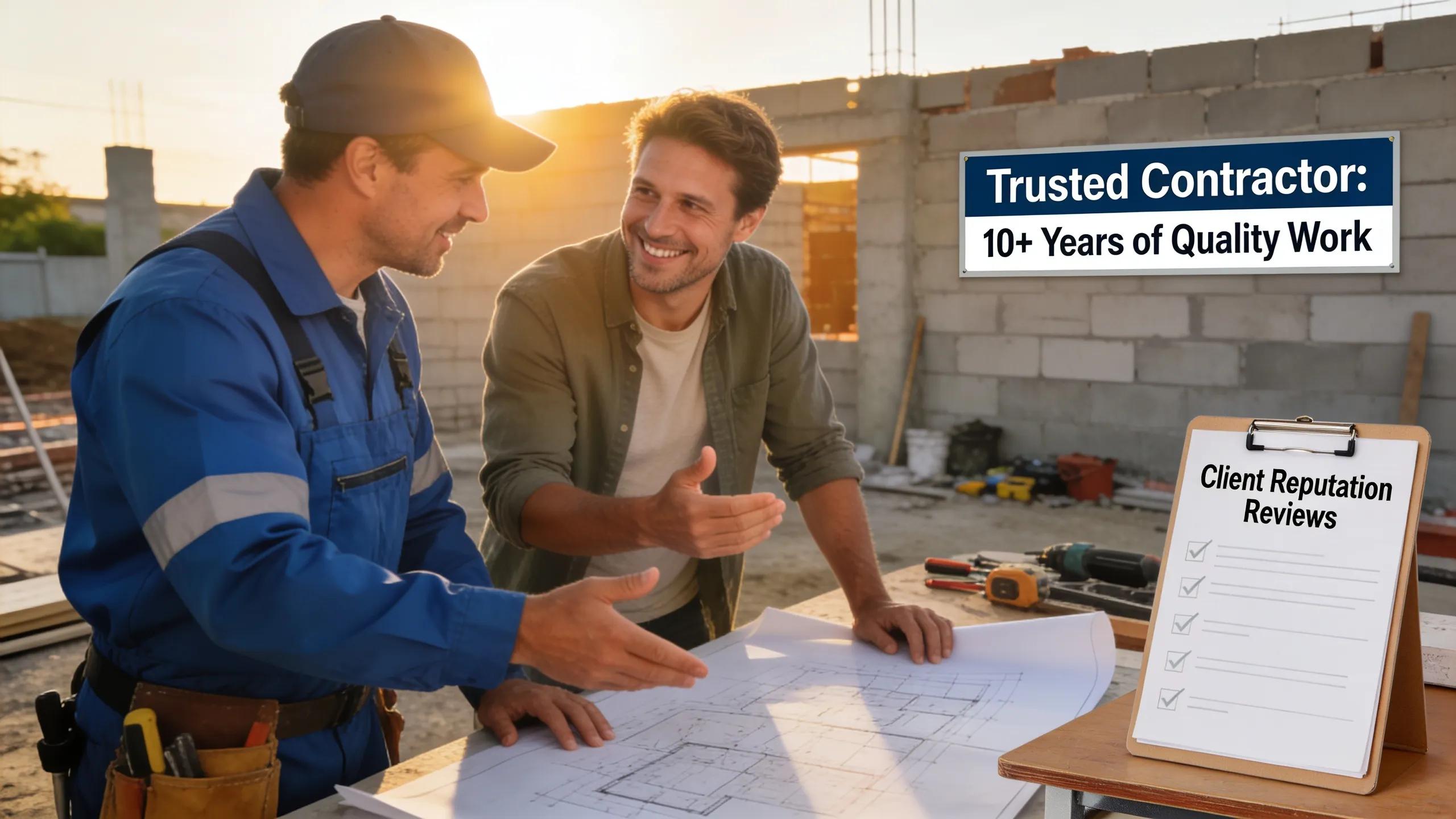
Investigating contractor reputation and reliability is a critical part of the decision process. Reputation directly affects project quality and overall satisfaction.
Here are some effective methods to gauge a contractor’s reputation:
-
Evaluate Online Reviews: Look on platforms like Google and Yelp for feedback from previous clients.
-
Ask for References: A reputable contractor should readily provide a list of past clients.
-
Examine Industry Reputation: Check if they are part of local builders’ associations, which often require adherence to standards of quality and ethics.
Selecting a contractor with a strong reputation in Windsor helps ensure that your investment is well placed.
Why Choose Santarossa Group for Home Addition Services
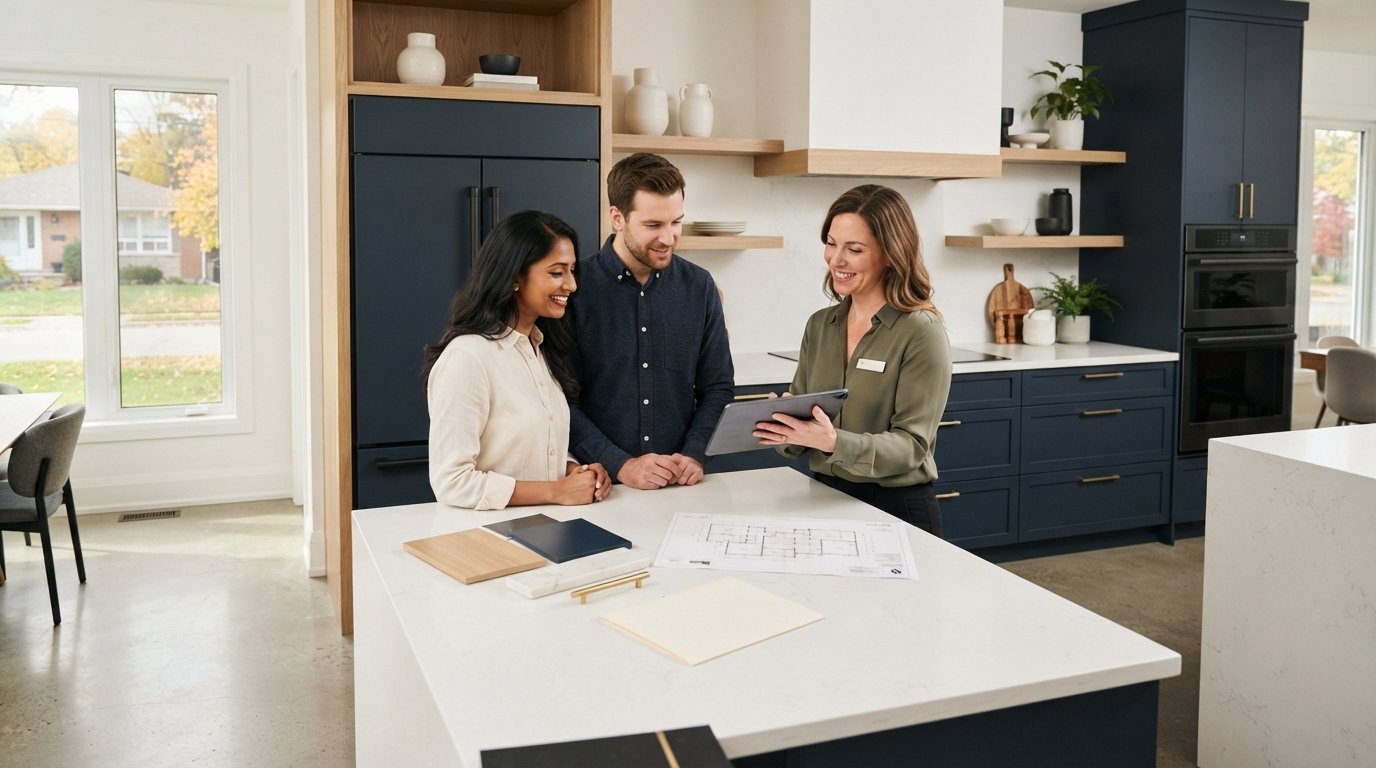
Santarossa Group is recognised in Windsor for its home addition services. With emphasis on quality construction, customer satisfaction and design customization, the company has established a reputation as a trusted partner for homeowners. Arranging a consultation can clarify options and support a secure investment.
Communication
Effective communication with the contractor is essential. The communication plan should include regular progress updates and mechanisms to address concerns promptly.
Important elements of a communication plan include:
-
Scheduled Updates: Establish when you will receive progress reports.
-
Response Times: Understand how quickly contractors typically respond to queries or concerns.
-
Points of Contact: Make sure you know who your primary point of contact will be for the duration of the project.
Maintaining open communication fosters collaboration and minimizes misunderstandings.
Permits and Regulations
Understanding the permitting process in Windsor is crucial. Local building codes and regulations vary; compliance is necessary to avoid complications.
Key aspects to consider include:
-
Required Permits: Identify which permits are necessary for your project.
-
Local Building Codes: Familiarize yourself with regulations that impact home addition designs.
-
Compliance Considerations: Discuss how your contractor will ensure compliance throughout the construction process.
Navigating permit complexities begins with a contractor who understands local regulations and can guide the process.
Frequently Asked Questions
1. What are the first steps I should take when planning a home addition?
Begin by assessing needs and budget. Define the addition’s purpose and consult a design professional to visualize the concept. Research local zoning laws and building codes to determine legal requirements. Compile a list of potential contractors for estimates; early engagement helps establish realistic timelines and cost expectations and smooths the planning process.
2. How can I prepare my home for a construction project?
Prepare the home by clearing the work area of personal items and furniture and removing outdoor obstacles. Notify neighbors in advance to minimize disruption. Establish arrangements for daily activities, including alternative access routes. Ensure pets are secured away from the construction zone to prevent accidents and stress.
3. What happens if my home addition project goes over budget?
If the project exceeds the budget, first consult the contractor to identify causes. Additional costs often arise from unforeseen issues or design changes. Review the budget to identify possible adjustments and use a contingency fund if available. Early understanding of cost drivers facilitates prioritization of project elements to remain within financial limits.
4. What types of permits are typically required for home additions in Windsor?
Common permits in Windsor include building, electrical and plumbing permits, depending on the project’s scope. Consult the contractor, who should be knowledgeable about required permits for the project. Securing all necessary permits before construction prevents legal issues and costly delays.
5. How long does a typical home addition project take?
Project duration varies with size, complexity and contractor schedule. Small projects may take several weeks to a few months; larger additions can require several months. Discuss timelines with the contractor during planning to set expectations for milestones and potential delays.
6. Can I live in my home during the addition process?
Many homeowners remain in their homes during additions, but should prepare for inconveniences. Depending on scope, areas may be inaccessible and noise may be disruptive. Establish work-hour boundaries with the contractor and maintain clear communication to minimize disturbance. If the project significantly impacts living space, consider alternative accommodation.
7. How can I ensure that my home addition matches the existing structure?
Ensure the addition matches the existing structure by aligning architectural style, materials and color schemes. Consult the architect or designer to develop cohesive design elements. Review the existing facade and landscaping for design cues. Involving the contractor during design ensures technical compatibility and structural integrity between new and existing elements.
Conclusion
Selecting the appropriate home addition service in Windsor offers benefits such as improved functionality and increased property value. Understanding costs, evaluating contractor quality and ensuring regulatory compliance are essential steps. For a seamless process, consult trusted professionals who can guide each project stage. Consider arranging a consultation to explore available services and next steps.