Custom Pole Barn Features That Maximize Your Space
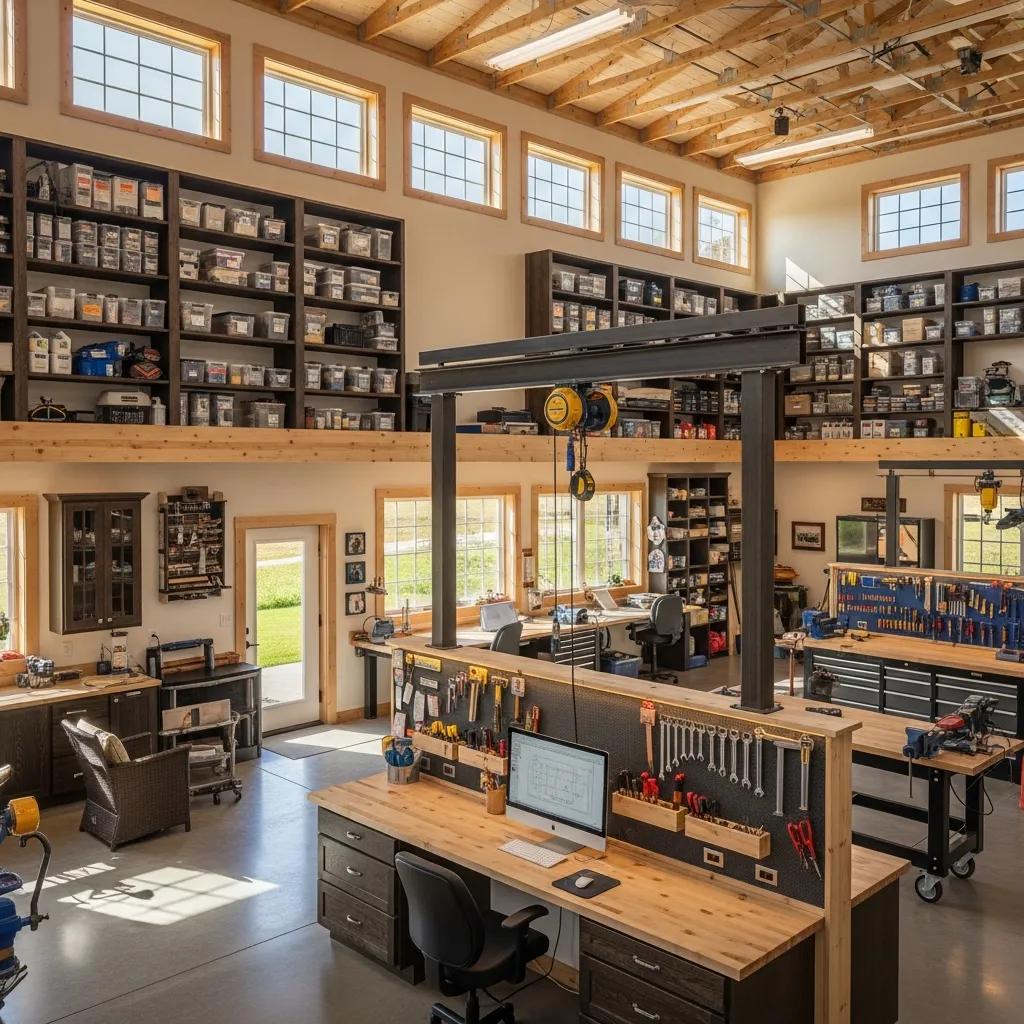
Custom pole barns are versatile structures that can be tailored to meet a variety of needs, from storage to workshops and even living spaces. Understanding how to maximize the space within these barns is essential for functionality and efficiency. This article explores various features and design ideas that enhance space optimization in custom pole barns. Readers will learn about effective design strategies, durable construction materials, energy-efficient insulation options, and essential lighting and ventilation features. By addressing common challenges in space utilization, this guide aims to provide practical solutions for anyone looking to build or renovate a pole barn. Key sections include design ideas, material choices, insulation methods, and maintenance considerations, all aimed at maximizing usable space.
What Are the Most Effective Pole Barn Design Ideas for Space Optimization?
When it comes to optimizing space in pole barns, effective design ideas play a crucial role. These ideas focus on layout customization, storage solutions, and maximizing natural light to create a functional and inviting environment.
How Does Layout Customization Enhance Usable Space in Pole Barns?
Layout customization is vital for enhancing the usability of pole barns. By implementing flexible designs, owners can adapt the space to their specific needs. For instance, open-concept layouts allow for better flow and accessibility, while vertical storage solutions make use of overhead space, freeing up floor area. This adaptability ensures that the barn can serve multiple purposes over time, accommodating changing needs without requiring significant renovations.
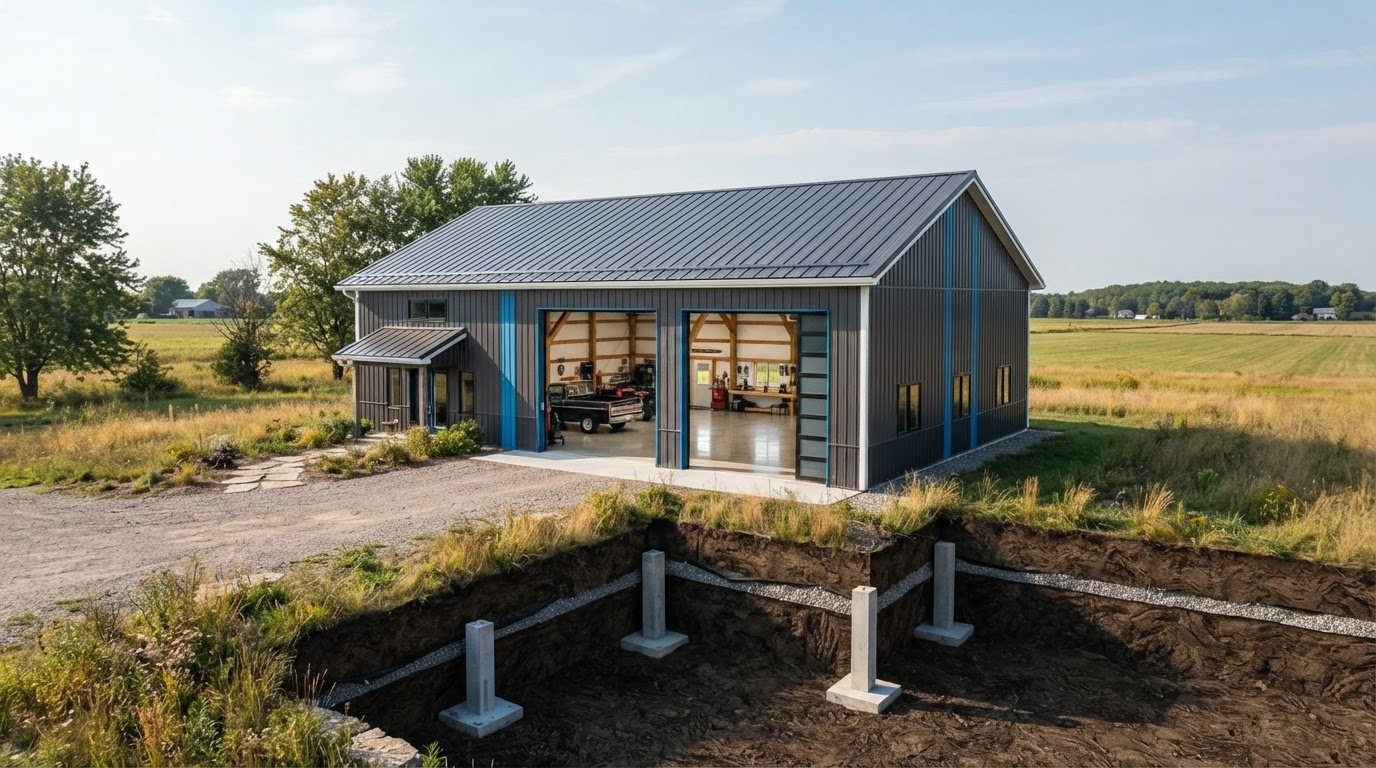
Beyond traditional layouts, innovative approaches like integrating a basement can further expand a pole barn’s functional capacity.
Maximizing Pole Barn Space with Basement Cold StorageTherefore it is concluded that the client should construct a basement below the pole barn at the SOF and build a cold storage unitDesign of a small-scale, low-cost cold storage system, 2012
Which Storage Solutions Best Utilize Pole Barn Interiors?
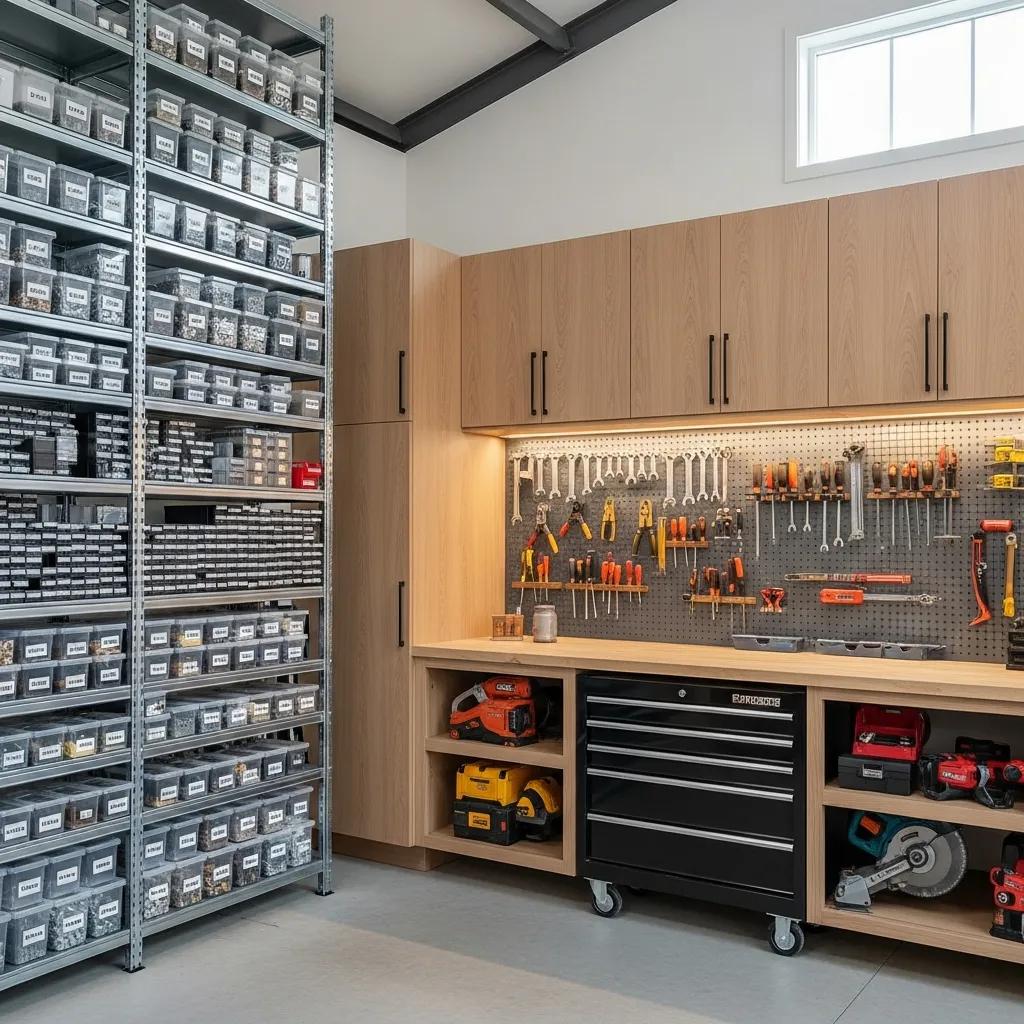
Effective storage solutions are essential for maximizing the interior of pole barns. Some of the best options include:
-
Vertical Storage: Utilizing shelving and racks that extend upwards can significantly increase storage capacity without consuming valuable floor space.
-
Shelving Units: Custom-built shelving can be designed to fit specific items, ensuring that every inch of space is utilized efficiently.
-
Built-in Cabinets: Incorporating built-in cabinets can help keep the space organized and clutter-free, making it easier to access tools and materials.
These storage solutions not only enhance organization but also contribute to a more functional workspace.
Which Construction Materials Provide Durability and Space Efficiency in Pole Barns?
Choosing the right construction materials is crucial for ensuring durability and space efficiency in pole barns. Various materials offer distinct advantages that can enhance the overall performance of the structure.
What Are the Advantages of Using Galvanized Steel and Other Materials?
Galvanized steel is a popular choice for pole barn construction due to its numerous benefits:
-
Corrosion Resistance: Galvanized steel is coated to prevent rust, ensuring longevity even in harsh weather conditions.
-
Longevity: This material can last for decades with minimal maintenance, making it a cost-effective option in the long run.
-
Cost-Effectiveness: While the initial investment may be higher, the durability of galvanized steel reduces the need for frequent repairs or replacements.
These advantages make galvanized steel an excellent choice for those looking to build a durable and efficient pole barn.
How Do Material Choices Impact Long-Term Maintenance and Space?
The choice of materials significantly impacts the long-term maintenance and usability of pole barns. For example, materials that require less frequent maintenance, such as vinyl siding or metal roofing, can save time and money over the years. Additionally, selecting materials that are easy to clean and maintain helps preserve the interior space, ensuring it remains functional and appealing. Understanding these implications can guide owners in making informed decisions that enhance both durability and space efficiency.
How Do Insulation Options Improve Energy Efficiency and Space Comfort in Pole Barns?
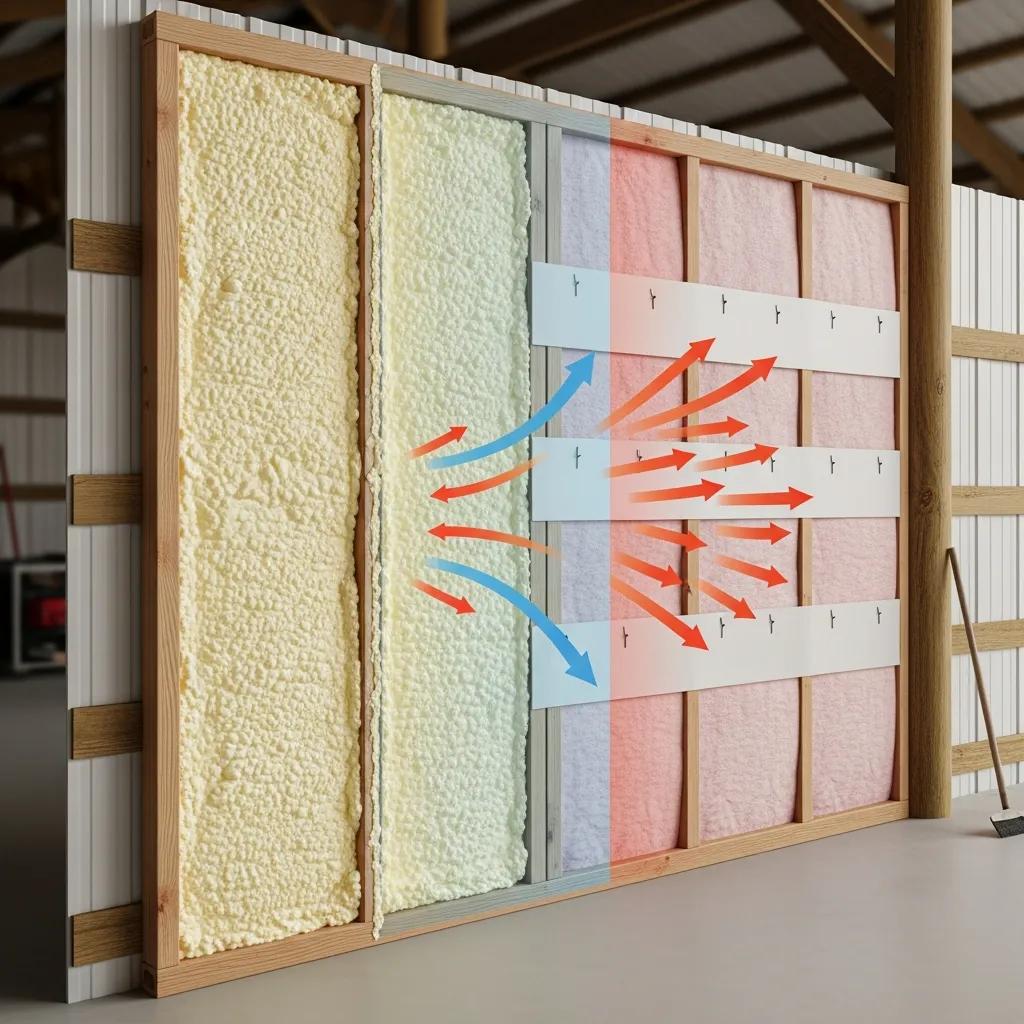
Insulation is a critical component in maximizing energy efficiency and comfort within pole barns. Proper insulation helps regulate temperature, reducing energy costs and enhancing the overall usability of the space.
What Are the Best Insulation Methods for Maximizing Energy Efficiency?
Several insulation methods can be employed to improve energy efficiency in pole barns:
-
Spray Foam Insulation: This method provides an excellent air seal, preventing drafts and heat loss.
-
Fiberglass Batts: A cost-effective option that can be easily installed in walls and ceilings, providing decent thermal resistance.
-
Reflective Insulation: Ideal for warmer climates, this type reflects radiant heat away from the interior, keeping the space cooler.
These insulation methods not only enhance energy efficiency but also contribute to a more comfortable environment.
Research further highlights the specific benefits of spray foam insulation, not only for energy efficiency but also for maintaining indoor air quality.
Spray Foam Insulation for Energy Efficiency & Indoor Air Quality in Pole BarnsSelecting the right insulation balances multiple, often clashing, performance criteria: energy savings, capital cost, thermal comfort, installation disruption, heritage impact and indoor air quality. There is a lack of evidence in balancing trade-offs between energy, heritage and indoor air quality impact when comparing insulation products. This thesis converged data from different disciplines and showed the retrofit potential, key barriers and enablers of insulating millions uninsulated floors in the UK. In underfloor voids with limited space polyurethane spray foam applied with robots offers better insulating potential compared to conventional products with the same thickness, however more scientific evidence was needed on off-gassing emissions.Evaluating energy and indoor air quality potential impact of spray foam: a case study of robotic application, D Naldzhiev, 2023
How Does Insulation Contribute to Usable Space and Building Performance?
Effective insulation contributes to usable space by maintaining a stable temperature, which is essential for various activities within the barn. Properly insulated spaces can be used year-round, whether for storage, workshops, or recreational areas. Additionally, insulation helps reduce energy costs, making the barn more economical to operate. This balance of comfort and efficiency is crucial for maximizing the overall performance of the building.
What Lighting and Ventilation Features Optimize Pole Barn Space and Functionality?
Lighting and ventilation are key elements that enhance the functionality of pole barns. Properly designed systems can significantly improve the usability of the space.
How Can Smart Lighting Solutions Enhance Interior Space Usage?
Smart lighting solutions can transform the way pole barns are utilized. By incorporating features such as:
-
Motion Sensors: Automatically turning lights on and off based on occupancy can save energy and enhance convenience.
-
Dimmable LED Lights: Allowing for adjustable brightness can create the perfect ambiance for various activities.
-
Natural Light Integration: Strategically placed windows and skylights can reduce reliance on artificial lighting, creating a more inviting atmosphere.
These smart solutions not only improve energy efficiency but also enhance the overall experience within the barn.
Embracing passive design principles, such as optimizing spatial planning and orientation, can significantly enhance both natural light and overall space utilization.
Passive Design for Pole Barn Space & Daylighting OptimizationExamples of passive design include optimizing spatial planning and orientation to control solar gains and maximize daylighting, manipulating the building form and fabric to facilitateOptimization of passive strategies towards animal welfare for livestock housing: A compost barn model in Brazil, 2022
What Ventilation Systems Improve Air Circulation and Space Comfort?
Effective ventilation systems are essential for maintaining air quality and comfort in pole barns. Options include:
-
Roof Vents: Allow hot air to escape, reducing heat buildup during warmer months.
-
Exhaust Fans: Help circulate air and remove excess humidity, preventing mold and mildew.
-
Windows and Louvers: Provide natural airflow, enhancing comfort and reducing reliance on mechanical systems.
Implementing these ventilation strategies ensures a comfortable and healthy environment, making the space more enjoyable for various uses.
What Maintenance and Cost Considerations Affect Custom Pole Barn Space Maximization?
Maintenance and cost considerations are critical when planning for space maximization in custom pole barns. Understanding these factors can help owners make informed decisions that enhance the longevity and functionality of their structures.
How Do Maintenance Practices Preserve Space and Structural Integrity?
Regular maintenance practices are essential for preserving both space and structural integrity. Key practices include:
-
Routine Inspections: Regularly checking for signs of wear or damage can prevent larger issues from developing.
-
Quality Materials: Using high-quality materials during construction can reduce the frequency of repairs and maintenance.
-
Expert Installation: Ensuring that all components are installed correctly can prevent future problems and extend the life of the barn.
These practices not only help maintain the structural integrity of the barn but also ensure that the space remains functional and usable.
What Are the Cost Implications of Different Space-Maximizing Features?
When considering space-maximizing features, it is important to evaluate the cost implications. While some features may require a higher initial investment, they can lead to significant savings in the long run. For example, investing in high-quality insulation can reduce energy costs, while durable materials can minimize maintenance expenses. Understanding these cost dynamics can help owners prioritize features that offer the best return on investment.
|
Material Type |
Durability |
Cost Implications |
|
Galvanized Steel |
High |
Low long-term maintenance costs |
|
Vinyl Siding |
Moderate |
Moderate initial cost, low maintenance |
|
Wood |
Variable |
High maintenance, potential for rot |