Top 5 Challenges When Hiring an ADU Contractor — What to Expect and How to Prepare
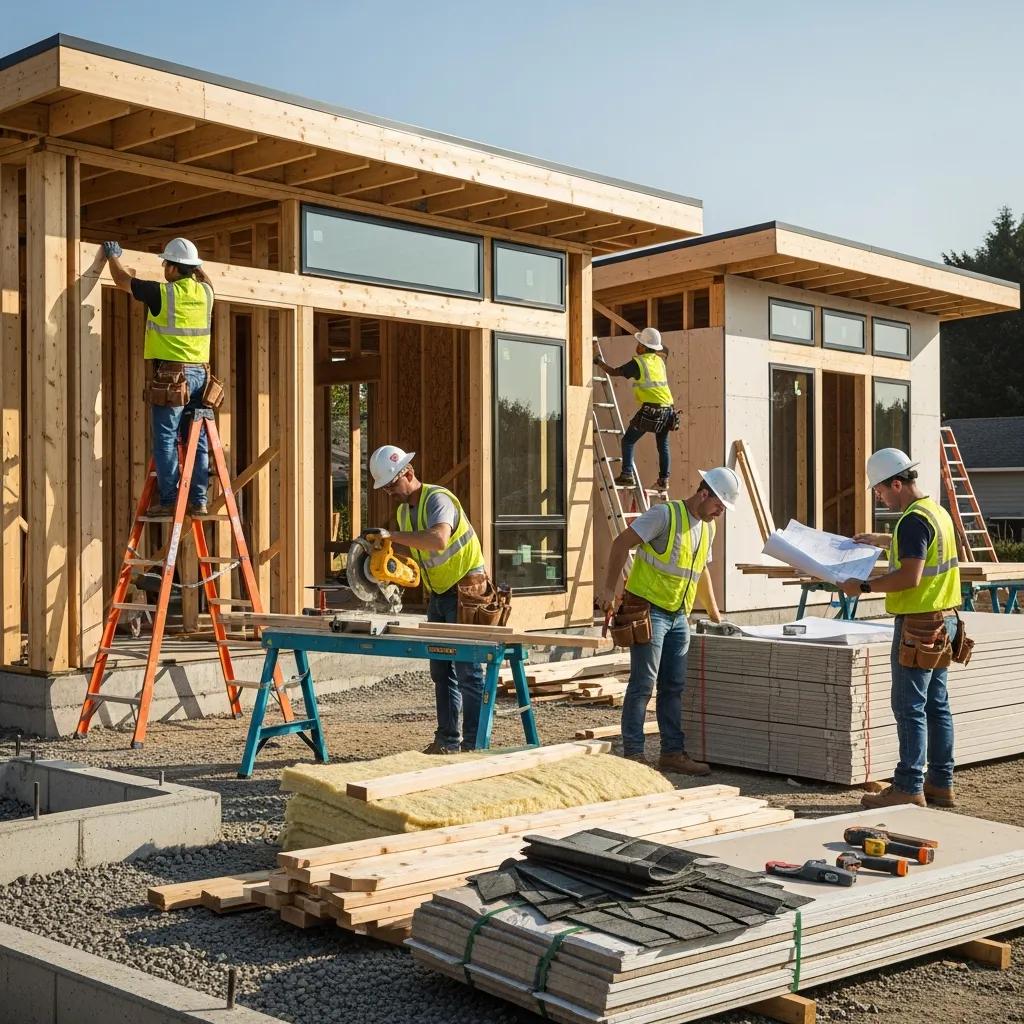
Building an Accessory Dwelling Unit (ADU) is a practical way to add living space and potential rental income. But the outcome depends on one thing above all: choosing the right contractor. hiring the right contractor is essential to avoid delays, unexpected costs, and unnecessary stress. This guide walks you through the five most common challenges homeowners face when hiring an ADU contractor — permitting and regulations, budgeting and cost control, selecting the right builder, site logistics, and ensuring lasting quality. Read on to leave the guesswork behind and make decisions that protect your time, budget, and peace of mind.
What Are the Key Regulatory and Permit Challenges in ADU Construction?

Understanding local regulations is usually the first hurdle in any ADU project. When constructing an ADU you’ll need to follow bylaws and zoning rules that control what you can build and where. Getting permits right keeps your project safe and legal — and prevents costly stop-work orders or fines down the road.
How Do Windsor and Essex County ADU Bylaws Affect Your Project?
Windsor and Essex County have local rules that can shape your design and placement options. Common limits include unit size, maximum height and setbacks from property lines. Missing or misunderstanding these rules can mean redesigns, permit denials, or project delays. It’s wise to confirm local requirements before finalizing plans.
What Are Common Permit Obstacles and How Can They Be Overcome?
Permit delays often come from incomplete applications, missing documents, or misread local requirements. The best defenses are thorough paperwork and experience: prepare every required file in advance and work with a contractor who knows the local permitting process. That proactive approach speeds approvals and keeps your build on schedule.
Permit processing and bureaucratic delays are a frequent source of frustration for builders and homeowners alike.
Overcoming Building Permit Delays & Regulatory ChallengesResearch has shown that unauthorized building activity often increases where developers either bypass regulations or grow frustrated by slow permit systems. When permit processes are inefficient, they can fail to prevent non-compliant construction and undermine sustainable development.Re-engineering the Building Permits Acquisition Processing to Control the Development of Unauthorized Structures in Ghanaian Communities, S Assiamah, 2016
How Can You Manage Financial Risks and Avoid Cost Overruns in ADU Projects?
Keeping costs under control is one of the biggest challenges in ADU construction. A clear budget, realistic contingency, and regular cost tracking will reduce surprises and protect your finances.
-
Common Financial Pitfalls : Hidden expenses can come from unseen site conditions, sudden material price shifts, or extra labour. Expect the unexpected and plan accordingly.
-
Budgeting Tips : Build a detailed budget that includes a contingency (10–20% is common). Review costs at each stage and update the plan as choices or conditions change.
-
Financing Options Available : Consider traditional loans, a home equity line of credit, or ADU-specific financing programs. Compare terms and pick the solution that fits your timeline and cash flow.
Many reputable contractors offer free site visits and written proposals — a useful first step to understand likely costs and financing needs before you commit.
What Are the Most Important Factors When Selecting a Qualified ADU Contractor?
Picking the right contractor makes the difference between a smooth build and a long, costly nightmare. Look for proven ADU experience, clear communication, and transparent contracts.
Which Red Flags Indicate Problems with Hiring an ADU Builder?
Watch for warning signs: no proper licence or insurance, evasive answers about past projects, slow or unclear communication, or a history of unresolved complaints. A trustworthy builder will share references, explain their process clearly, and stand behind their work.
What Essential Questions Should You Ask Potential ADU Contractors?
Ask about their ADU experience, typical timelines, how they manage change orders, and who will oversee the job on site. Request a detailed schedule and itemized cost breakdown so you can compare proposals fairly.
How Do Logistical and Site-Specific Issues Impact ADU Construction?
Site logistics often shape the timeline and cost more than design choices. Anticipating access, storage and delivery constraints helps prevent delays once construction begins.
What Challenges Arise from Site Access and Material Sourcing?
Tight lots, narrow driveways, and limited staging areas complicate deliveries and on-site work — especially in urban neighbourhoods. Material shortages or long lead times also affect schedules. Collaborate with your contractor on a logistics plan that sequences deliveries and minimizes on-site clutter.
How Are Utility Connections and Infrastructure Upgrades Managed?
Connecting water, sewer, gas and power can require permits and coordination with utility providers. Some projects also need upgrades to existing infrastructure. Choose a contractor experienced in managing those conversations and the required inspections to avoid costly hold-ups.
Why Is Ensuring Quality and Long-Term Durability Critical in ADU Projects?
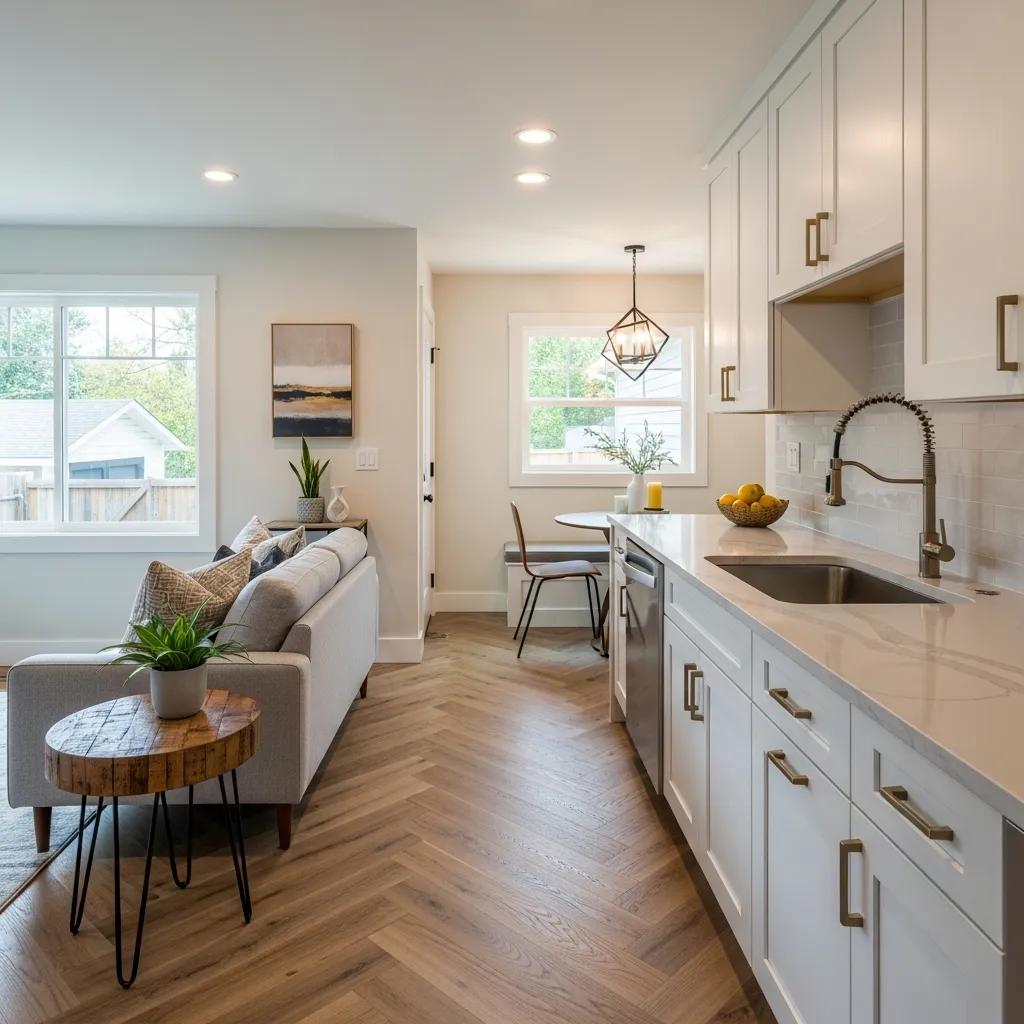
Durable construction protects your investment. Choosing the right materials and tradespeople reduces maintenance and preserves value over time.
How Do Quality Materials and Craftsmanship Affect Your ADU’s Value?
High-quality materials and skilled workmanship increase curb appeal, reduce repair needs, and make the unit easier to rent or sell. In many cases, paying a bit more up front avoids recurring costs later.
What Warranties and Post-Construction Support Should You Expect?
Ask about warranties for both materials and labour, and what post-completion support looks like. A reputable contractor provides clear warranty terms and responds promptly if issues arise after handover.
Frequently Asked Questions
What is an Accessory Dwelling Unit (ADU) and why are they popular?
An ADU is a secondary dwelling on the same lot as a primary home — examples include basement suites, garage conversions, or a detached studio. Homeowners choose ADUs for extra living space, multi-generational housing, or rental income. They’re a flexible way to increase usable square footage without moving.
How can I ensure my ADU project stays within budget?
Start with a realistic estimate and a written budget that includes permits, materials, labour and a contingency (typically 10–20%). Track expenses regularly, review choices that affect cost, and keep an open line of communication with your contractor to avoid surprises.
What are the benefits of hiring a licensed contractor for ADU construction?
A licensed contractor understands local codes, carries insurance, and is more likely to deliver work that passes inspections. They can also advise on design, materials and scheduling — saving time and reducing the risk of costly mistakes.
What should I consider when choosing the location for my ADU?
Check zoning rules, setbacks, and utility access first. Consider privacy, sunlight and how the ADU will relate to the main house. A well-chosen location balances convenience, compliance and long-term value.
How can I find reliable contractors for my ADU project?
Ask friends or neighbours for referrals, read online reviews, and request portfolios of completed ADUs. Interview multiple builders, check licences and insurance, and get written proposals to compare scope and cost.
What are the common mistakes to avoid when hiring an ADU contractor?
Don’t skip credentials checks, rush the selection process, or accept vague contracts. Verify ADU experience, ask for references, and insist on a clear timeline and detailed pricing to avoid misunderstandings.
What role do local building codes play in ADU construction?
Local codes set safety standards and zoning limits — they dictate structural, fire and utility requirements. Ignoring codes risks fines, delays or having to remove non-compliant work. Work with contractors who know and follow local rules.
Conclusion
Hiring the right ADU contractor means preparing for permits, budgeting carefully, evaluating builders thoughtfully, planning logistics, and insisting on lasting quality. With those priorities in place you’ll reduce risk and increase the chance of a smooth, successful build. For more practical tips and local guidance, explore our other ADU resources and articles.