
Undertaking a room addition in Windsor and Essex County offers meaningful gains in living space and function, but it also presents notable risks if not managed deliberately. Common obstacles include budget overruns, permitting complications, construction delays, communication breakdowns, and quality issues. Each can cause unexpected costs or schedule setbacks. This article explains these five challenges and provides actionable guidance to reduce risk and keep a project on course.
Budget Overruns
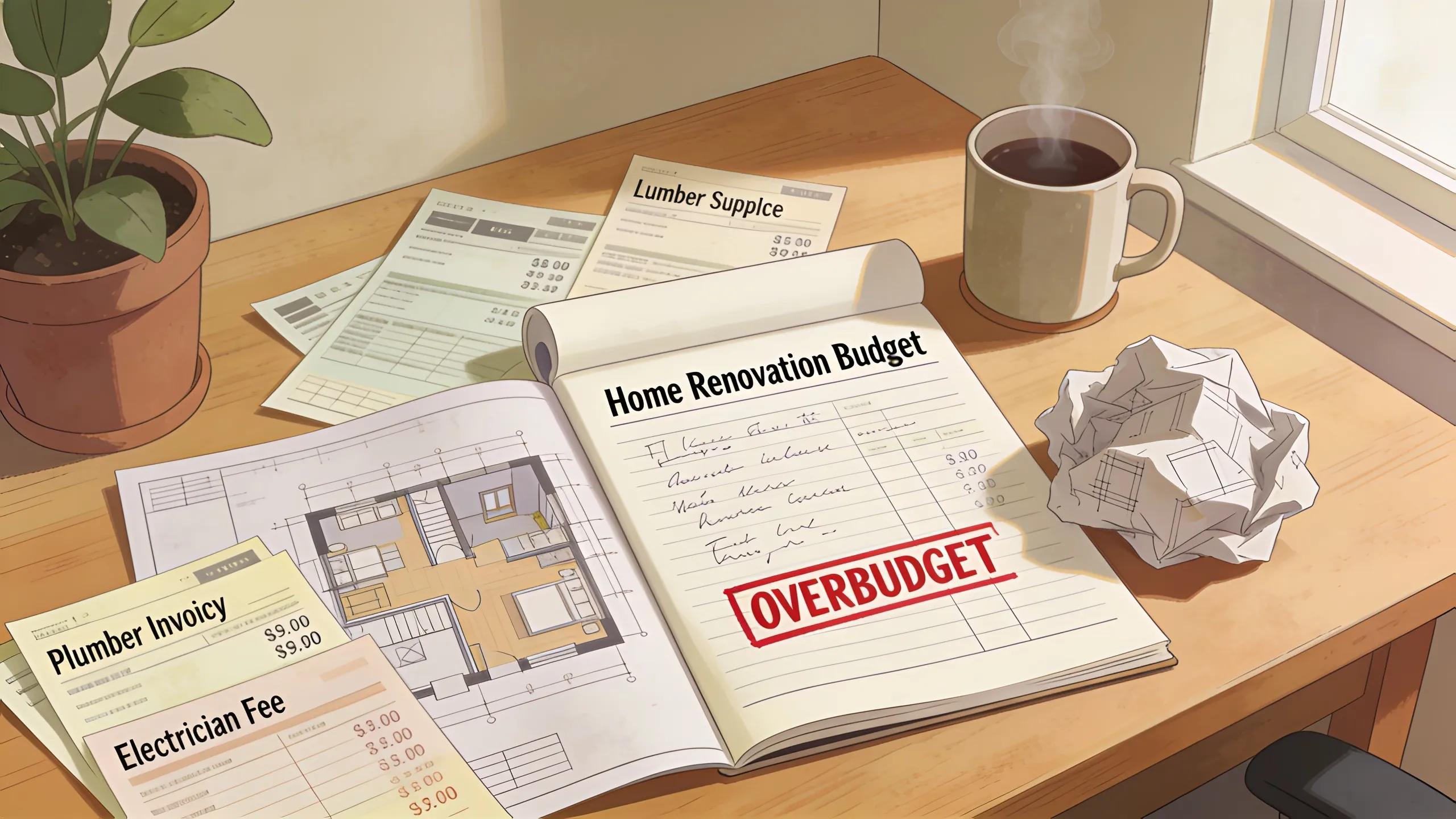
Budget overruns frequently affect room additions. Unplanned costs may result from design changes, sudden increases in material prices, or unforeseen conditions discovered during construction. On average, around 20% of renovation projects exceed their original budgets for these reasons. Homeowners should plan accordingly and adopt financial safeguards.
Unexpected Expenses
Unexpected expenses arise from sources such as late design revisions and volatile material pricing. Identifying these potential triggers in advance and building flexibility into planning reduces the likelihood of financial stress during construction.
Setting Realistic Budgets
Establish a comprehensive budget that captures all predictable costs: materials, labour, permits, inspections and anticipated adjustments. A realistic budget is based on detailed estimates and known allowances rather than optimistic projections.
Contingency Planning
Maintain a contingency reserve to address unanticipated costs without compromising scope or quality. Allocating a portion of the total budget to this reserve enables homeowners to absorb unavoidable changes while keeping the project viable.
Permitting Issues
Permitting presents a common source of delay when homeowners are unfamiliar with municipal requirements. Local regulations vary, and non-compliance can stall approvals. Familiarity with Windsor and Essex County building codes is essential before commencing work.
Understanding Local Regulations
Understanding zoning and building-code requirements ensures submissions meet statutory standards. Failure to comply often results in extended approval timelines and additional corrective work.
Avoiding Common Mistakes in Applications
Incomplete or incorrect documentation is a frequent cause of permitting delays. Reviewing application criteria carefully and confirming required materials before submission streamlines approvals.
Importance of Early Consultations
Engage local officials or experienced contractors early to clarify regulatory expectations. Early consultations reduce uncertainty and help ensure that permit applications meet local standards from the outset.
Construction Delays
Delays during construction commonly stem from supply, scheduling, or coordination issues. Identifying likely causes and establishing controls helps manage expectations and preserve the project timeline.
Material Shortages
Supply-chain disruptions have increased the incidence of material shortages. Order key materials well in advance and maintain supplier relationships to reduce the risk of stoppages.
Scheduling Conflicts
Conflicting schedules among trades can create bottlenecks. Coordinate all subcontractors and maintain a clear work sequence to minimise idle time and reassignment delays.
Managing Timelines Effectively
Manage timelines through regular progress reviews and scheduled coordination meetings. Proactive oversight allows early detection of slippage and timely corrective action.
Poor Communication
Effective communication is a cornerstone of a successful room addition. Inadequate information flow leads to misunderstandings that can delay work and increase costs.
Establishing Clear Communication
Designate a single point of contact to centralise decisions and instructions. Clear responsibility reduces confusion and ensures consistent direction across the project team.
Regular Updates
Provide scheduled status reports to all stakeholders so changes and issues are transparent. Regular updates support collaboration and sustain alignment on priorities.
Impact of Misunderstandings
Misunderstandings can produce rework and added expense. Address questions and feedback promptly to prevent escalation and maintain progress.
Quality Concerns
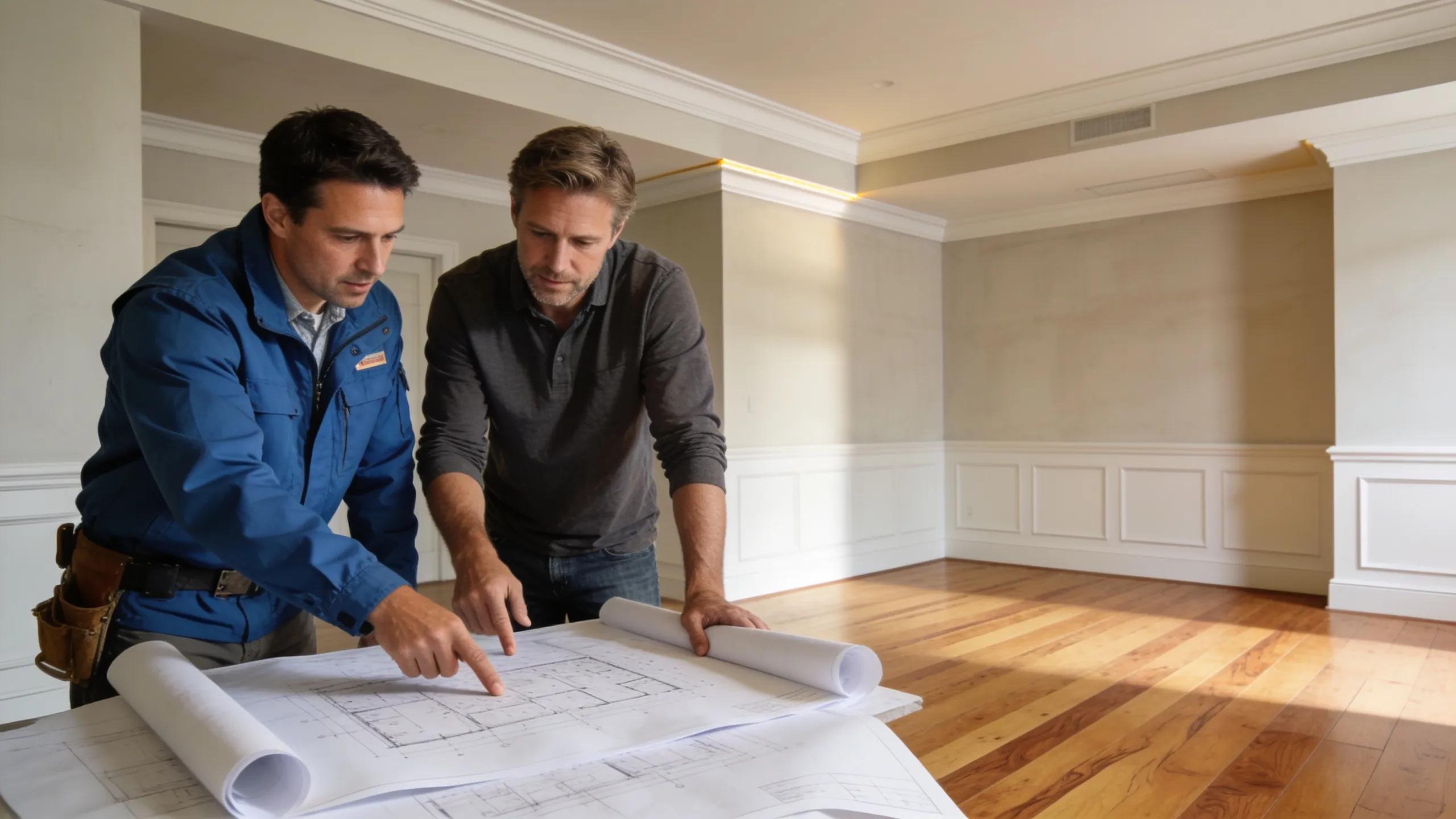
Maintaining construction quality protects safety and long-term value. Poor workmanship can require costly remedial work and compromise the intended benefits of the addition; therefore quality must be managed throughout the project.
Selecting Reliable Contractors
Select contractors through a structured vetting process: review portfolios, verify credentials, and confirm relevant experience. Choosing qualified professionals significantly reduces quality risk.
Quality Verification Methods
Implement regular inspections and quality-control checkpoints during construction. Consistent verification against agreed standards allows early correction of deficiencies.
Importance of References
Contact previous clients to confirm contractor performance and reliability. Reference checks provide practical insight into workmanship and project management practices.
Several interrelated factors shape the outcome of room addition projects in Windsor and Essex County. Recognising the common causes of budget overruns, permitting delays, scheduling conflicts, communication failures, and workmanship issues enables more effective risk management and decision making.
|
Challenge |
Common Causes |
Solutions |
|
Budget Overruns |
Unexpected costs, late design changes |
Establish a realistic budget; set up a contingency fund |
|
Permitting Issues |
Lack of knowledge of local regulations |
Consult officials; ensure compliance from the outset |
|
Construction Delays |
Material shortages, scheduling conflicts |
Order materials early; maintain clear communication with contractors |
|
Poor Communication |
Misalignment among parties |
Designate a point of contact; provide regular updates |
|
Quality Concerns |
Poor craftsmanship |
Vet contractors thoroughly; implement quality checks |
This overview summarises the principal challenges homeowners face during room additions and sets out practical steps to mitigate them. With careful planning, clear communication, and quality oversight, homeowners improve the likelihood of completing projects on budget and to the expected standard.
Frequently Asked Questions
1. What factors should I consider before starting a room addition project?
Prior to starting, assess the available space, household requirements and the effect on the existing layout. Review local zoning regulations, establish a realistic budget and consider expected return on investment. Evaluate the availability and competence of contractors in your area, as contractor quality materially affects project outcomes.
2. How can I effectively manage my project timeline?
Develop a detailed schedule that allocates time for each work phase and identifies milestone dates. Communicate regularly with contractors and use project-management tools to monitor progress. Include time buffers for likely delays and allow lead time for material procurement.
3. What are the best practices for choosing a contractor?
Research multiple candidates, check references and review past projects. During interviews, confirm experience with similar additions, insurance coverage and warranty terms. Select a contractor who demonstrates clear communication, professional conduct and alignment with your project objectives.
4. How can I prepare my home for construction activities?
Clear the work area of furniture and personal items and establish a defined construction zone. Notify neighbours in advance and arrange parking and access for workers and deliveries. These steps reduce disruptions and support a safer, more efficient worksite.
5. What should I expect during the inspection process?
Inspections verify compliance with building codes at key stages, such as foundation, framing and final completion. Expect multiple inspections and be prepared to address any deficiencies identified. Ensure your contractor understands the inspection schedule and requirements to facilitate timely approvals.
6. How can I enhance communication with my contractor?
Appoint a primary contact and schedule regular check-ins to review progress and resolve issues. Use digital tools to share updates and document decisions. Clear, recorded communication reduces misunderstandings and supports consistent project execution.
7. What are common mistakes homeowners make during a room addition?
Frequent errors include setting an unrealistic budget, overlooking permit requirements, lacking a defined project scope, underestimating duration, and failing to vet contractors thoroughly. Recognising these risks and addressing them early reduces the chance of costly setbacks.
Conclusion
Effectively managing the principal challenges of room additions enables homeowners in Windsor and Essex County to achieve expanded, functional living spaces with reduced stress. By planning budgets carefully, confirming regulatory compliance, maintaining clear communication and enforcing quality controls, homeowners can make informed decisions throughout the project. Consider engaging a professional consultant to streamline coordination and consult local experts and resources as you begin your room addition.