Top 5 Essential Factors to Consider When Selecting Your Pole Barn Builder Near Me
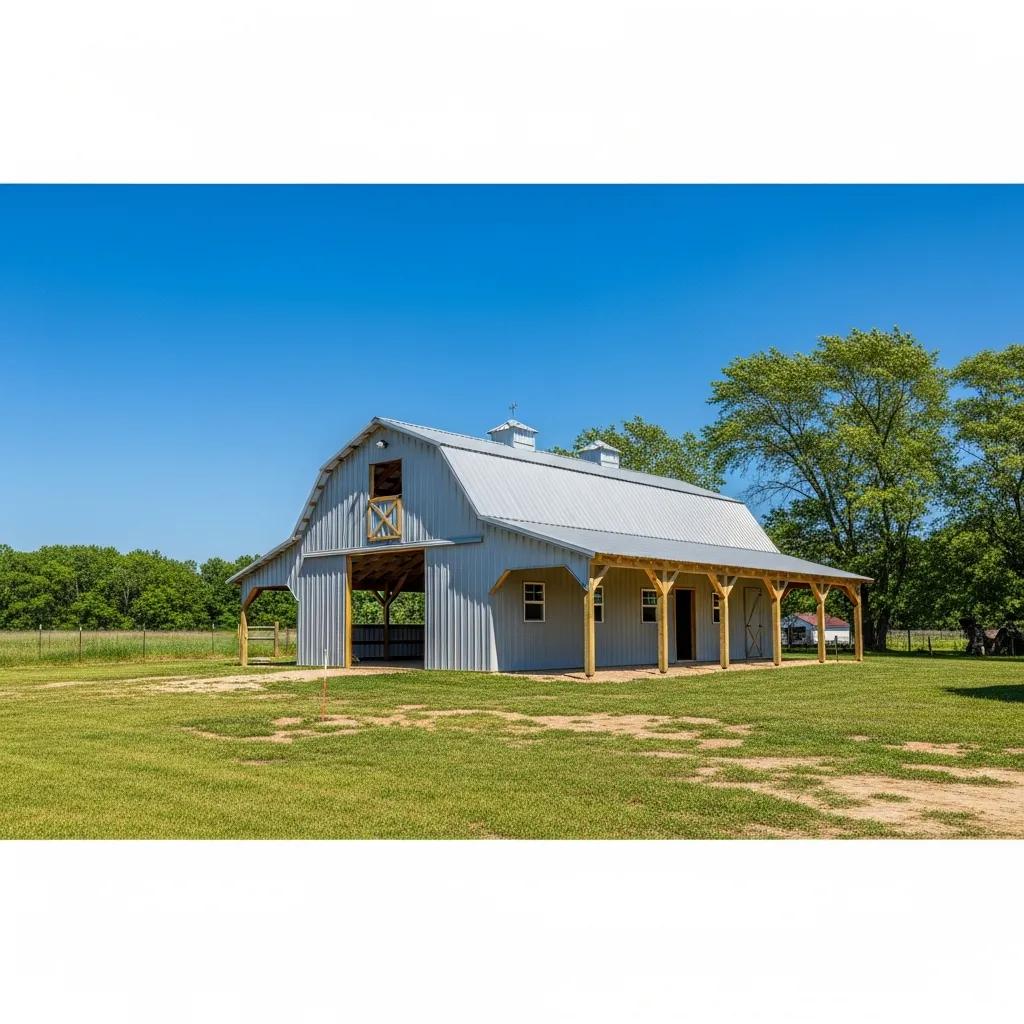
Choosing the right pole barn builder is crucial for ensuring that your construction project meets your expectations in terms of quality, durability, and cost. With various builders available, it can be overwhelming to determine which one is best suited for your needs. This article will guide you through the top five essential factors to consider when selecting a pole barn builder, helping you make an informed decision. We will explore the importance of verifying credentials, understanding material options, timelines, costs, and warranties. By the end of this guide, you will have a clear understanding of what to look for in a pole barn builder, ensuring a successful construction experience.
What Credentials and Licensing Should You Verify in a Pole Barn Builder?
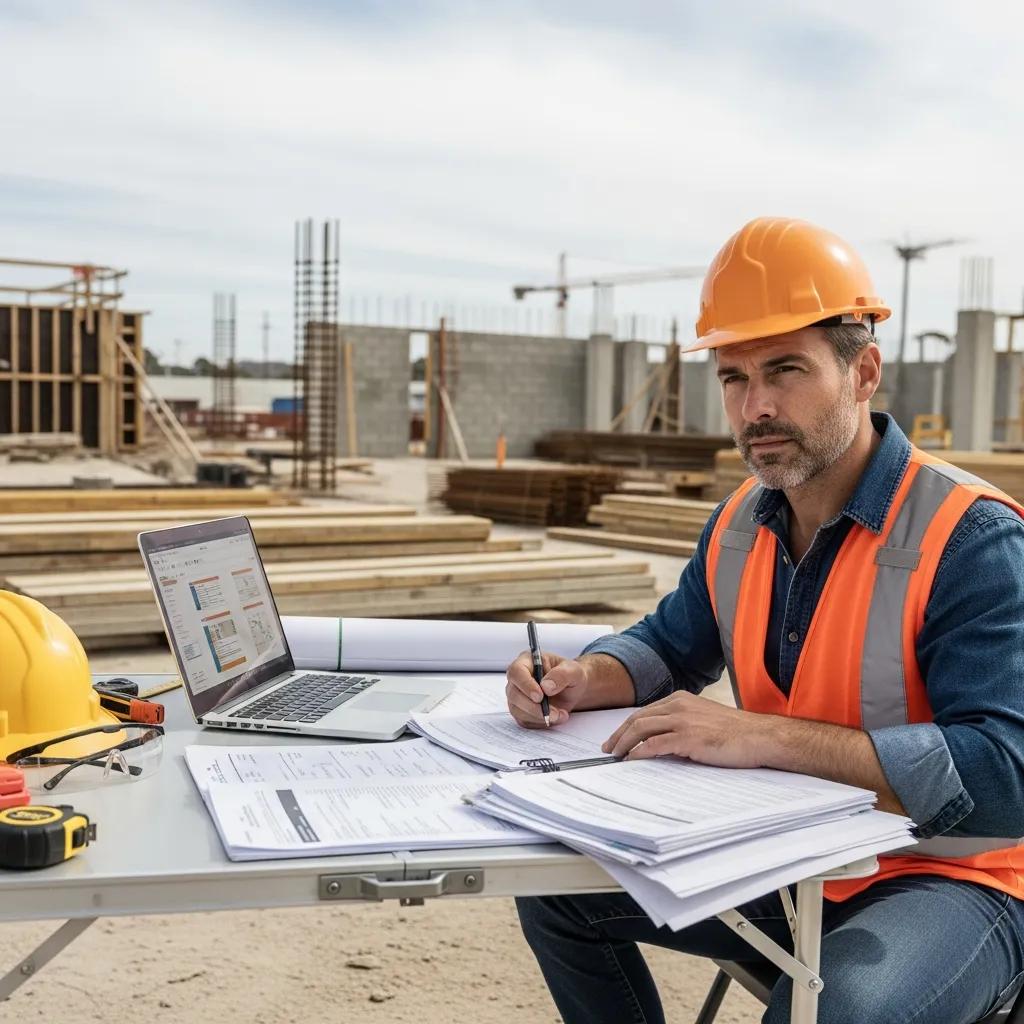
When selecting a pole barn builder, verifying their credentials and licensing is essential to ensure that they are qualified to perform the work. A licensed builder demonstrates compliance with local regulations and standards, which is crucial for the safety and legality of your project. Additionally, checking for insurance coverage protects you from potential liabilities during construction.
How to Confirm a Builder’s License and Certifications
To confirm a builder’s license and certifications, follow these steps:
-
Check Provincial and Municipal Requirements: Research the specific licensing requirements in your area to ensure the builder meets local standards.
-
Request Insurance Documents: Ask the builder for proof of general liability and workers’ compensation insurance to protect yourself from potential accidents.
-
Contact the Issuing Agency for Verification: Reach out to the relevant licensing authority to verify the builder’s credentials and ensure they are in good standing.
Why Builder Experience and Local Code Knowledge Matter
Builder experience and knowledge of local codes are critical for the success of your pole barn project. Experienced builders can navigate the complexities of construction, ensuring that all aspects of the project are handled efficiently. Additionally, familiarity with local building codes helps in obtaining necessary permits and ensures compliance with safety regulations. This knowledge can lead to smoother project execution and fewer delays.
For those seeking expert guidance in selecting a qualified builder, consider consulting with a reputable construction company specializing in “pole barn building services.”
Which Building Materials Offer the Best Durability for Pole Barn Construction?
The choice of building materials significantly impacts the durability and longevity of your pole barn. High-quality materials not only enhance the structural integrity of the barn but also reduce maintenance costs over time. Understanding the various options available can help you make an informed decision that aligns with your budget and needs.
Comparing Common Pole Barn Materials and Their Benefits
When selecting materials for your pole barn, consider the following common options:
-
Wood: Offers a traditional aesthetic and good insulation but may require more maintenance over time.
-
Steel: Known for its durability and resistance to pests and rot, making it a low-maintenance option.
-
Engineered Posts: Provide enhanced strength and stability, often used in combination with other materials for optimal performance.
How Material Quality Impacts Longevity and Maintenance
The quality of materials used in pole barn construction directly affects its longevity and maintenance needs. High-quality steel and engineered posts can withstand harsh weather conditions, reducing the likelihood of repairs. Investing in superior materials can lead to significant lifecycle savings, as they require less frequent maintenance and replacement.
|
Material |
Durability Rating |
Cost |
|
Wood |
Moderate |
Low |
|
Steel |
High |
Medium |
|
Engineered Posts |
Very High |
High |
This comparison highlights the importance of selecting durable materials to ensure the long-term success of your pole barn.
What Is the Typical Construction Timeline and Process for Pole Barns?
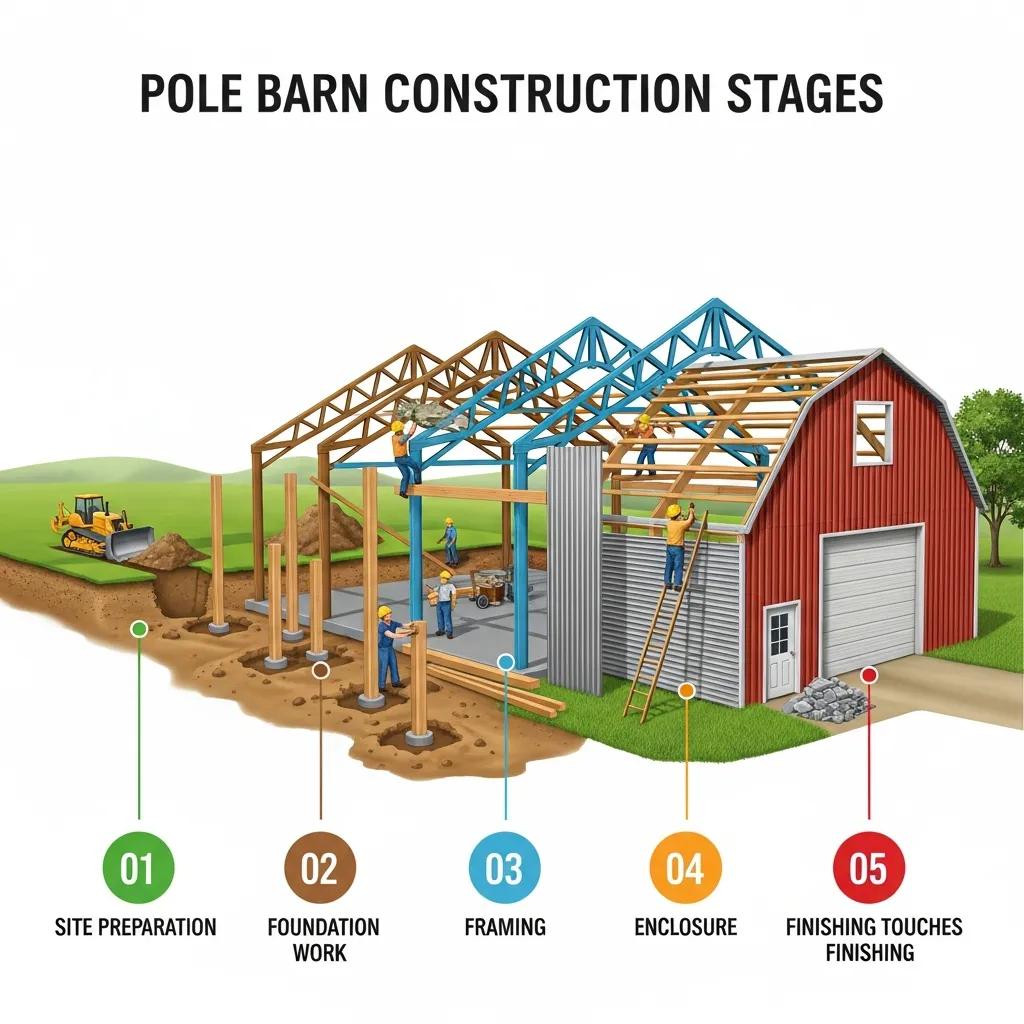
Understanding the construction timeline and process for pole barns is essential for effective project planning. Knowing the key phases involved can help you set realistic expectations and manage your schedule accordingly.
Key Construction Phases from Foundation to Completion
The construction of a pole barn typically involves several key phases:
-
Pre-Construction Activities: This includes site preparation, obtaining permits, and finalizing designs.
-
Foundation Work: Laying the foundation is crucial for the stability of the structure.
-
Framing and Roofing: The main structure is built, including walls and roofing installation.
-
Finishing Touches: This phase includes interior work, insulation, and any additional features.
How to Manage Delays and Ensure Timely Project Delivery
To manage potential delays and ensure timely project delivery, consider the following strategies:
-
Set Realistic Timelines: Work with your builder to establish a feasible timeline based on their experience and current workload.
-
Order Long-Lead Materials Early: Anticipate any materials that may take longer to arrive and order them in advance.
-
Establish a Communication Plan: Regular check-ins with your builder can help address any issues promptly and keep the project on track.
How Do Cost and Financing Options Affect Your Pole Barn Builder Choice?
Cost is a significant factor when selecting a pole barn builder, as it influences your overall budget and financing options. Understanding the various cost factors involved can help you make a more informed decision.
Understanding Cost Factors and Budget Planning
Several factors contribute to the overall cost of building a pole barn:
-
Material Costs: The choice of materials directly impacts the budget, with higher-quality options typically costing more.
-
Labor Costs: Skilled labor may come at a premium, but it often results in better workmanship.
-
Site Preparation: Additional costs may arise from site preparation, including grading and clearing.
Available Financing Solutions for Pole Barn Construction
Financing options can significantly affect your ability to proceed with a pole barn project. Some common financing solutions include:
-
Home Equity Lines of Credit: These allow you to borrow against the equity in your home for construction costs.
-
Personal Home Improvement Loans: These loans can provide the necessary funds for your project without requiring collateral.
-
In-House Financing Plans: Some builders may offer financing solutions tailored to your needs, making it easier to manage costs.
What Warranty and Post-Construction Support Should You Expect?
Warranties and post-construction support are essential considerations when selecting a pole barn builder. Understanding what to expect can help you feel more secure in your investment.
Evaluating Warranty Terms and Coverage Details
When reviewing warranty terms, consider the following:
-
Coverage Limits: Understand what is covered under the warranty and for how long.
-
Claim Procedures: Familiarize yourself with the process for filing a claim in case of defects or issues.
-
Aftercare Instructions: Ensure you receive clear guidance on maintenance and care for your pole barn.
Importance of Ongoing Customer Support and Maintenance Services
Ongoing customer support is vital for maintaining the longevity of your pole barn. Builders who offer maintenance services can help you address any issues that arise after construction, ensuring your investment remains in good condition. This support fosters a positive relationship and enhances customer satisfaction.
In conclusion, selecting the right pole barn builder involves careful consideration of various factors, including credentials, materials, timelines, costs, and warranties. By taking the time to evaluate these aspects, you can ensure a successful construction experience that meets your needs and expectations.