Essential Tips for Selecting the Best Pole Barn Builder for Your Unique Needs
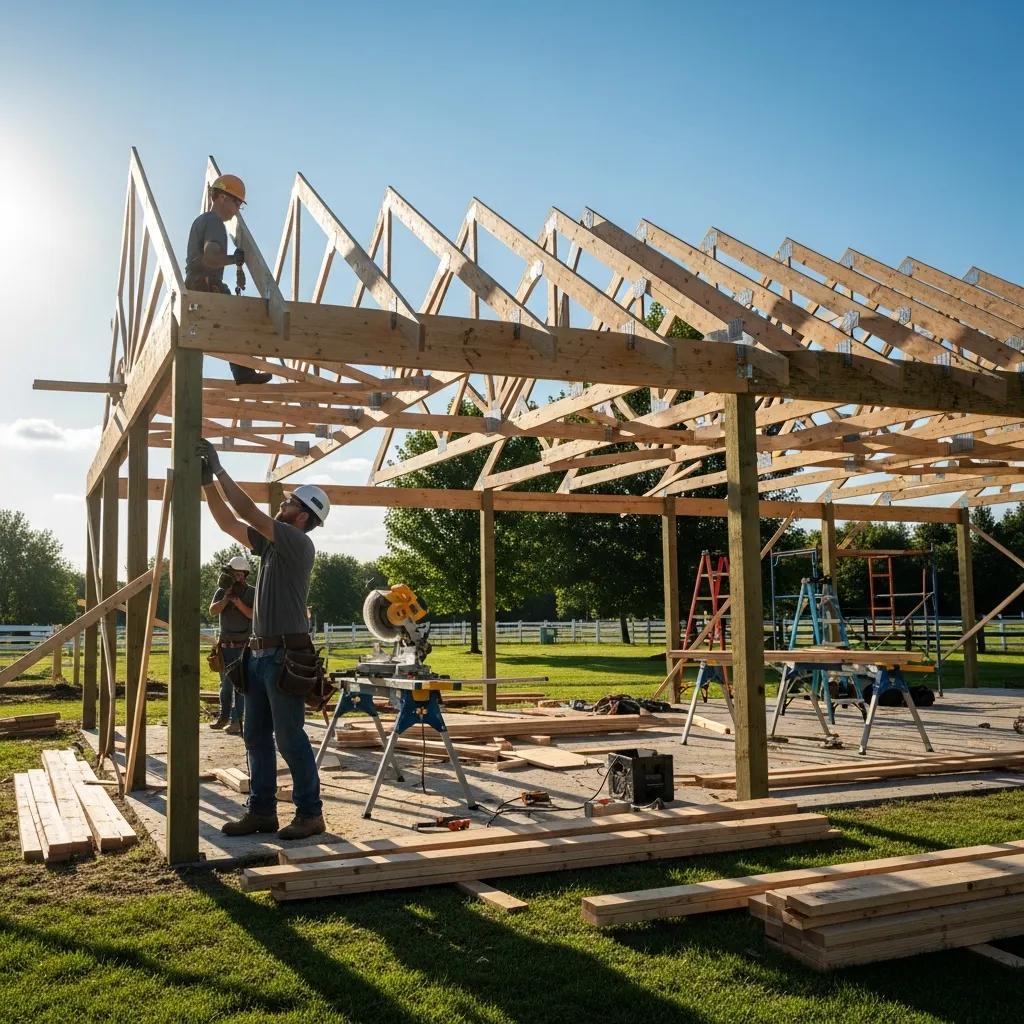
Choosing the right pole barn builder is crucial for ensuring that your construction project meets your specific needs and expectations. With a variety of builders available, it can be overwhelming to determine which one is the best fit for your project. This article will provide essential tips on how to select a reliable pole barn builder, focusing on key factors such as credentials, materials, costs, timelines, and local regulations. By understanding these elements, you can make an informed decision that aligns with your vision and budget. We will explore the necessary qualifications and licenses, the benefits of different materials, effective budgeting strategies, and the typical construction process. Additionally, we will discuss local permits and maintenance considerations to ensure a smooth building experience.
What Credentials and Licensing Should You Verify in a Pole Barn Builder?
When selecting a pole barn builder, verifying their credentials and licensing is essential to ensure quality and reliability. A qualified builder should have proper business registration, general liability insurance, and workers’ compensation coverage. These credentials not only protect you as a client but also indicate that the builder adheres to industry standards and regulations.
How Do Builder Qualifications Impact Project Reliability and Quality?
Builder qualifications significantly impact the reliability and quality of your pole barn project. Qualified builders are more likely to adhere to local building codes, ensuring that your structure is safe and compliant. Additionally, experienced builders often demonstrate superior workmanship, which leads to a durable and aesthetically pleasing final product. Their familiarity with the permitting process can also streamline your project, reducing delays and potential complications.
Which Local Licenses and Certifications Are Required in Windsor Ontario?
In Windsor Ontario, specific licenses and certifications are required for pole barn builders. These include:
-
Business Registration: Builders must be registered with the state to operate legally.
-
Insurance Coverage: General liability and workers’ compensation insurance are necessary to protect both the builder and the client.
-
Bonding: For larger projects, builders may need to be bonded, which provides an additional layer of security for clients.
Ensuring that your builder possesses these licenses and certifications can help you avoid potential legal issues and ensure a smoother construction process.
What Are the Key Material Options and Their Benefits for Pole Barn Construction?
Selecting the right materials for your pole barn is crucial for its durability, cost-effectiveness, and overall performance. Common materials include wood and metal, each offering distinct advantages. Understanding these options can help you make an informed decision that aligns with your project goals.
How Do Wood and Metal Materials Compare for Durability and Cost?
When comparing wood and metal materials for pole barn construction, several factors come into play:
-
Durability: Metal structures typically offer greater durability and resistance to pests, rot, and fire compared to wood. However, treated wood can also provide a long-lasting option if properly maintained.
-
Cost: While metal may have a higher upfront cost, its longevity can lead to lower maintenance expenses over time. Wood, on the other hand, may be more affordable initially but could incur higher maintenance costs in the long run.
-
Aesthetic Appeal: Wood often provides a more traditional and rustic appearance, while metal can offer a modern and sleek look.
Ultimately, the choice between wood and metal will depend on your specific needs, budget, and aesthetic preferences.
What Are the Advantages of Sustainable and Modular Pole Barn Designs?
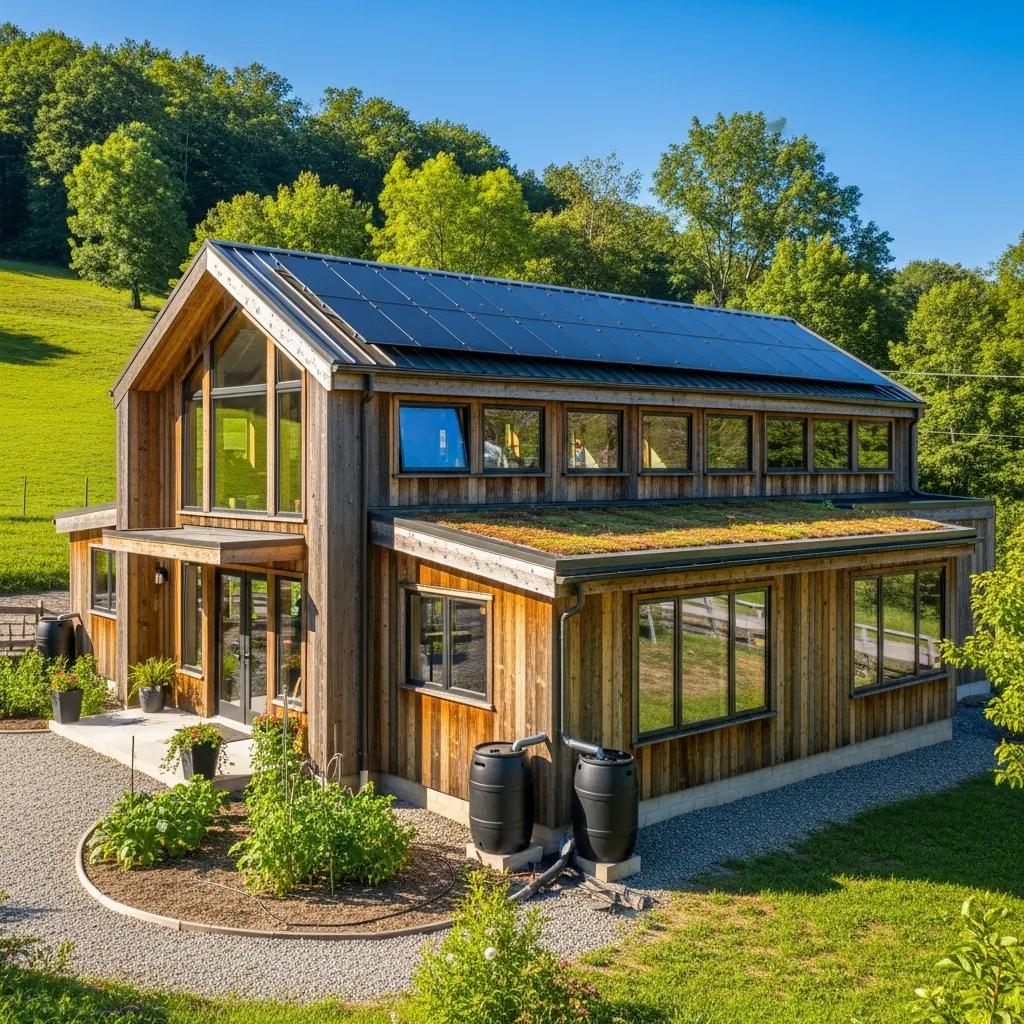
Sustainable and modular pole barn designs are gaining popularity due to their environmental benefits and cost savings. Key advantages include:
-
Environmental Benefits: Sustainable materials reduce the carbon footprint of construction and promote eco-friendly practices.
-
Cost Savings: Modular designs can lead to reduced labor costs and shorter construction times, making them a more economical choice.
-
Customization Options: Modular designs allow for greater flexibility in layout and functionality, enabling you to tailor the space to your specific needs.
By considering sustainable and modular options, you can create a pole barn that is not only functional but also environmentally responsible.
How Can You Estimate Costs and Budget Effectively for Your Pole Barn Project?
Estimating costs and budgeting effectively for your pole barn project is essential to avoid unexpected expenses. A detailed budget should account for materials, labor, permits, and any additional features you may want to include.
What Factors Influence Pole Barn Construction Pricing?
Several factors can influence the pricing of pole barn construction, including:
-
Site Preparation Costs: The condition of the land and any necessary grading or clearing can impact overall costs.
-
Design Complexity: More intricate designs may require additional labor and materials, increasing the total price.
-
Material Choices: The type of materials selected will significantly affect the budget, with metal typically costing more than wood.
Understanding these factors can help you create a more accurate budget and avoid surprises during the construction process.
How to Find Affordable Pole Barn Builders Without Compromising Quality?
Finding affordable pole barn builders while ensuring quality can be challenging. Here are some strategies to consider:
-
Research Local Contractors: Look for builders with positive reviews and a solid reputation in your area.
-
Request Free Site Evaluations: Many builders offer free evaluations, allowing you to gauge their expertise and get a sense of potential costs.
-
Compare Detailed Quotes: Obtain multiple quotes from different builders to compare pricing and services offered.
By following these strategies, you can find a builder that fits your budget without sacrificing quality.
What Is the Typical Construction Timeline and Process for Pole Barns?
Understanding the typical construction timeline and process for pole barns can help you set realistic expectations for your project. The process generally involves several key phases, from planning to completion.
What Are the Step-by-Step Phases from Planning to Completion?
The construction of a pole barn typically follows these phases:
-
Site Evaluation: A thorough assessment of the land to determine suitability for construction.
-
Permit Handling: Securing necessary permits and approvals from local authorities.
-
Construction Execution: Actual building of the pole barn, including foundation work, framing, and finishing touches.
Each phase is crucial for ensuring a successful project, and clear communication with your builder can help manage timelines effectively.
How Do Builders Manage Project Scheduling and Delays?
Builders often employ several strategies to manage project scheduling and minimize delays:
-
Creating Detailed Schedules: A well-structured timeline helps keep the project on track and allows for better resource allocation.
-
Proactive Ordering of Materials: Ensuring materials are ordered in advance can prevent delays due to shortages.
-
Open Communication with Clients: Regular updates and discussions with clients can help address any concerns and keep the project moving smoothly.
By understanding these management techniques, you can better navigate the construction process and ensure timely completion.
What Local Permits and Regulations Must You Consider in Windsor Ontario?
Navigating local permits and regulations is a critical aspect of the pole barn construction process. In Windsor Ontario, specific requirements must be met to ensure compliance with local laws.
How to Navigate the Pole Barn Permit Application Process?
The permit application process for a pole barn typically involves several steps:
-
Requesting a Site Evaluation: This initial step helps determine the feasibility of your project.
-
Design Consultation: Working with your builder to create a design that meets local regulations.
-
Permit Preparation: Submitting the necessary documentation and plans to local authorities for approval.
Understanding this process can help streamline your project and avoid potential setbacks.
What Are Common Compliance Requirements and Approval Timelines?
Common compliance requirements for pole barn construction in Windsor Ontario include:
-
Zoning Bylaws: Ensuring your project adheres to local zoning regulations.
-
Setback Requirements: Meeting specific distance requirements from property lines and other structures.
-
Approval Timelines: Be aware that permit approvals can take several weeks, so plan accordingly.
By familiarizing yourself with these requirements, you can better prepare for the permitting process and avoid delays.
What Maintenance and Warranty Considerations Should You Discuss with Builders?
Discussing maintenance and warranty considerations with your builder is essential for ensuring the longevity of your pole barn. Understanding these aspects can help you protect your investment.
How Do Maintenance Plans Affect Long-Term Pole Barn Durability?
Regular maintenance is crucial for the long-term durability of your pole barn. A well-structured maintenance plan can include:
-
Routine Inspections: Regular checks for structural integrity and signs of wear.
-
Preventative Measures: Addressing minor issues before they escalate into major problems.
-
Cleaning and Upkeep: Keeping the barn clean and well-maintained to prevent damage.
By implementing a solid maintenance plan, you can extend the life of your pole barn and avoid costly repairs.
What Warranty Options Are Typically Offered by Reliable Builders?
Reliable builders often provide various warranty options, including:
-
Structural Warranties: Covering defects in materials and workmanship for a specified period.
-
Material Warranties: Ensuring that materials used in construction meet certain standards and are free from defects.
-
Post-Installation Support: Offering assistance with any issues that arise after the barn is completed.
Discussing these warranty options with your builder can provide peace of mind and protect your investment in the long run.