Custom ADU Designs for Homes in Windsor & Essex County
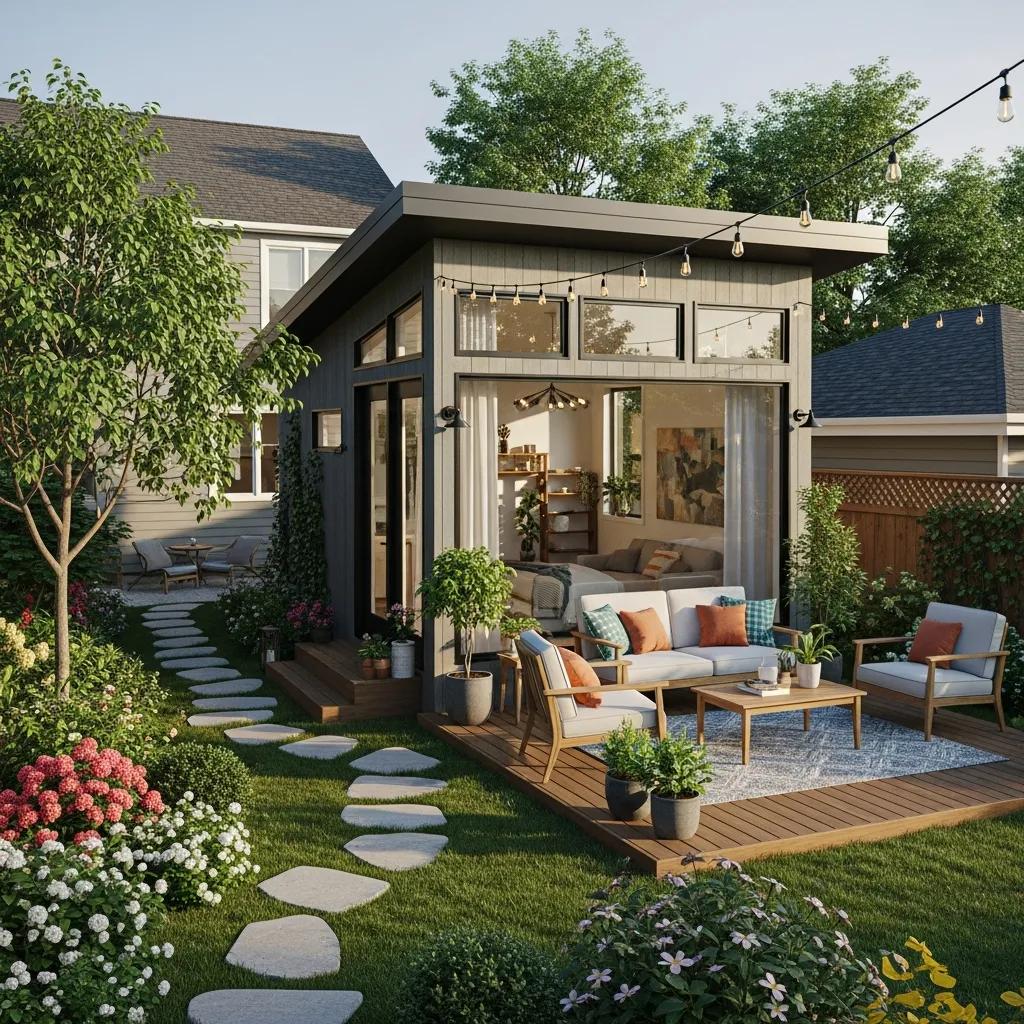
Accessory dwelling units (ADUs) are a practical, increasingly popular way to get more from your property. Called backyard suites, laneway houses or granny flats, ADUs add flexible living — for family, guests, or rental income. Below we outline the custom ADU options available in Windsor and Essex County — the benefits, local rules, and realistic costs — and explain how Santarossa Group, a Windsor-based contractor, can take your project from concept to keys.
What Are Accessory Dwelling Units and Their Benefits in Windsor, Ontario?
An accessory dwelling unit (ADU) is a secondary home on the same lot as your main house. ADUs show up as detached cottages, basement suites, or garage conversions. Their biggest strength is flexibility: they support multi-generational living, generate rental income, and provide an affordable housing option without altering neighbourhood character. Demand is growing in Windsor as homeowners look for more housing choices and ways to boost property value.
How Do Backyard Suites, Laneway Houses, and Granny Flats Differ?
All of these ADU types add living space — they just sit differently on the lot and offer different levels of privacy and access:
-
Backyard Suites: Standalone units built in the rear yard, offering privacy and independent living for occupants.
-
Laneway Houses: Located along secondary streets or laneways; efficient for urban lots and convenient for street access.
-
Granny Flats: Usually attached or inside the main house (basement or attic conversions), designed for close, accessible living — often for older relatives.
Understanding these differences helps you choose the right option for your lot, budget and household needs.
What Are the Key Benefits of Custom ADUs for Multi-Generational Living and Rental Income?
Custom ADUs deliver clear, practical benefits:
-
Increased Property Value: A well-designed ADU can raise your home’s market value and broaden its appeal.
-
Flexible Living Arrangements: Custom plans let you accommodate aging parents, adult children, or a home office while keeping everyone comfortable.
-
Rental Income Potential: Renting an ADU can help cover mortgage costs or fund future projects.
Those advantages make ADUs an attractive choice across Windsor and Essex County.
Research and planning studies support these benefits while also pointing out common regulatory and social hurdles.
ADU Benefits & Regulatory Barriers for Small HousingThis literature review shows how ADUs and micro-apartments can expand affordable housing, reduce the environmental footprint of new builds, and diversify the local housing mix. It also flags recurring barriers — from neighbourhood opposition to restrictive zoning and unclear approvals — that limit wider adoption.Towards a smaller housing paradigm: a literature review of accessory dwelling units and micro apartments, 2018
How Does Santarossa Group Customize ADU Designs to Meet Your Needs?
What Is the Custom ADU Design and Build Process in Windsor and Essex County?
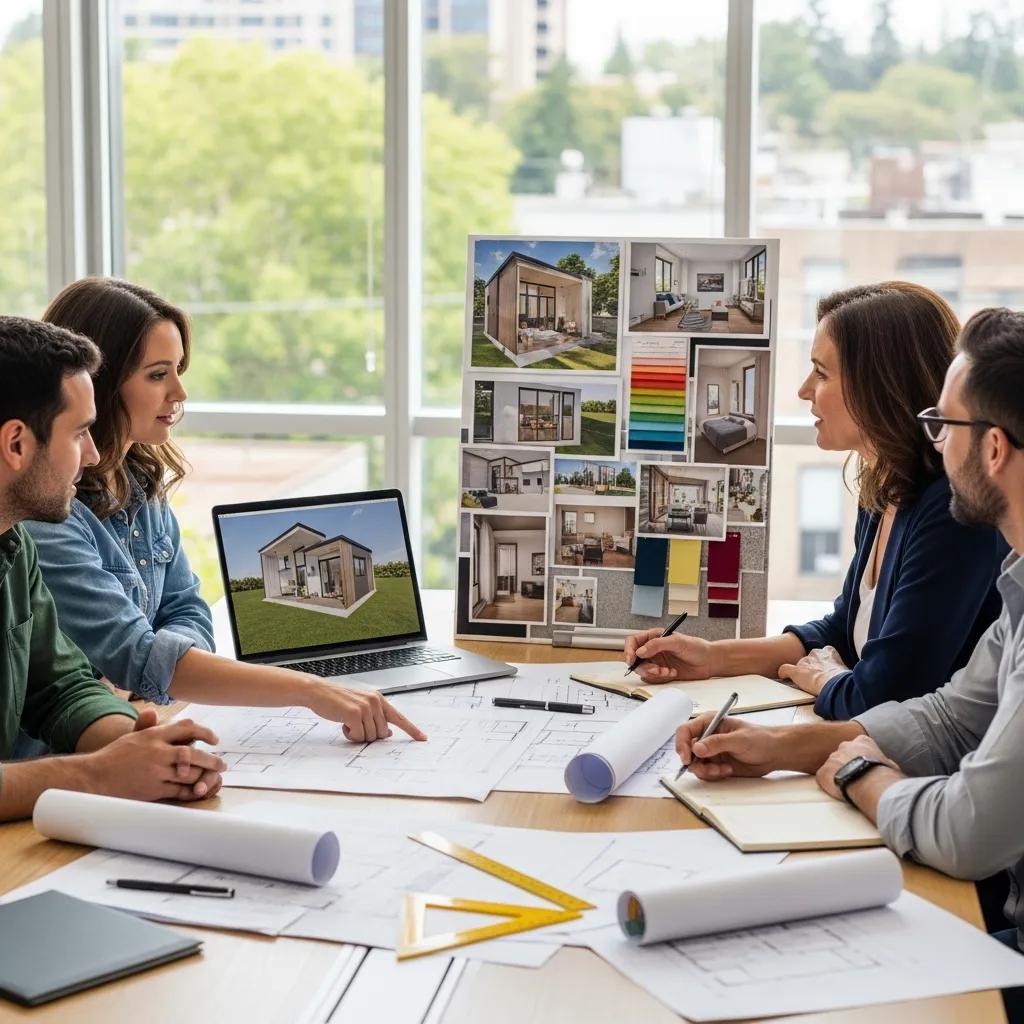
We break projects into clear, manageable phases so you always know what’s next:
-
Initial Consultation: We talk through your goals, timeline and budget — and assess your property’s potential. Santarossa Group starts here to shape a practical scope for the ADU.
-
Design Phase: We turn your priorities into detailed plans — floor layouts, materials, finishes and energy features.
-
Construction Phase: Once permits are in place, our crew builds the ADU with regular updates and quality checks until handover.
This phased approach keeps projects on schedule and aligned with your expectations.
How Do Custom Floor Plans and Sustainable Designs Enhance Your Property?
Smart floor plans make compact spaces feel open and functional. Pair that with sustainable choices — efficient appliances, high-performance insulation, LED lighting and solar-ready design — and you lower long-term running costs while improving comfort and resale appeal. Choosing durable, energy-efficient materials is an investment that benefits both your household and the environment.
What Are the Ontario and Windsor ADU Regulations and Permit Requirements?
How Does Bill 23 Impact ADU Zoning Bylaws in Windsor and Essex County?
Bill 23 (More Homes Built Faster Act, 2022) introduced changes meant to encourage new housing, including measures that affect ADUs. Key impacts for homeowners include:
-
Increased Density: The law supports more ADU options in residential areas, making better use of existing lots.
-
Streamlined Approval Process: Some permit and approval routes have been simplified to reduce timelines and red tape.
These changes aim to ease the housing shortage by making it simpler to add smaller, affordable units.
Policy analysts are still tracking Bill 23’s real-world effects on ADU uptake and neighbourhood change.
Ontario ADU Policy & Zoning: Bill 23 ImpactRecent work examines how Ontario’s ADU policy and Bill 23-related zoning adjustments change permissions for small-unit development, municipal responses, and the trade-offs between adding housing and protecting neighbourhood character.Accessory Dwelling Units: A Tool for Ontario’s Housing Crisis That Is Responsive and Gentle, but Hesitantly Adopted, 2023
What Is the Step-by-Step ADU Permit Application Process in Windsor?
Applying for an ADU permit in Windsor generally follows these steps:
-
Gather Required Documents: Prepare site plans, architectural drawings and any supporting reports (for example, grading or servicing studies).
-
Submit Application: File the complete package with the local planning and building departments.
-
Await Approval: Municipal staff review the application for zoning, building code and servicing compliance.
-
Receive Permit: Once approved, construction can begin under the issued permits.
Knowing these steps in advance helps reduce surprises and keeps your timeline realistic.
How Much Does Building a Custom ADU Cost in Windsor and Essex County?
What Are Typical Cost Ranges for Custom ADU Construction and Site Preparation?
ADU costs depend on size, finishes and site work. Budgeting early helps avoid costly scope changes during construction.
Typical construction costs in Windsor range from roughly $150,000 to $300,000, depending on design complexity and site preparation. The main cost drivers include:
-
Size of the Unit: Larger footprints and extra rooms increase construction costs.
-
Materials Used: Durable, energy-efficient products cost more up front but often lower maintenance and utility bills over time.
-
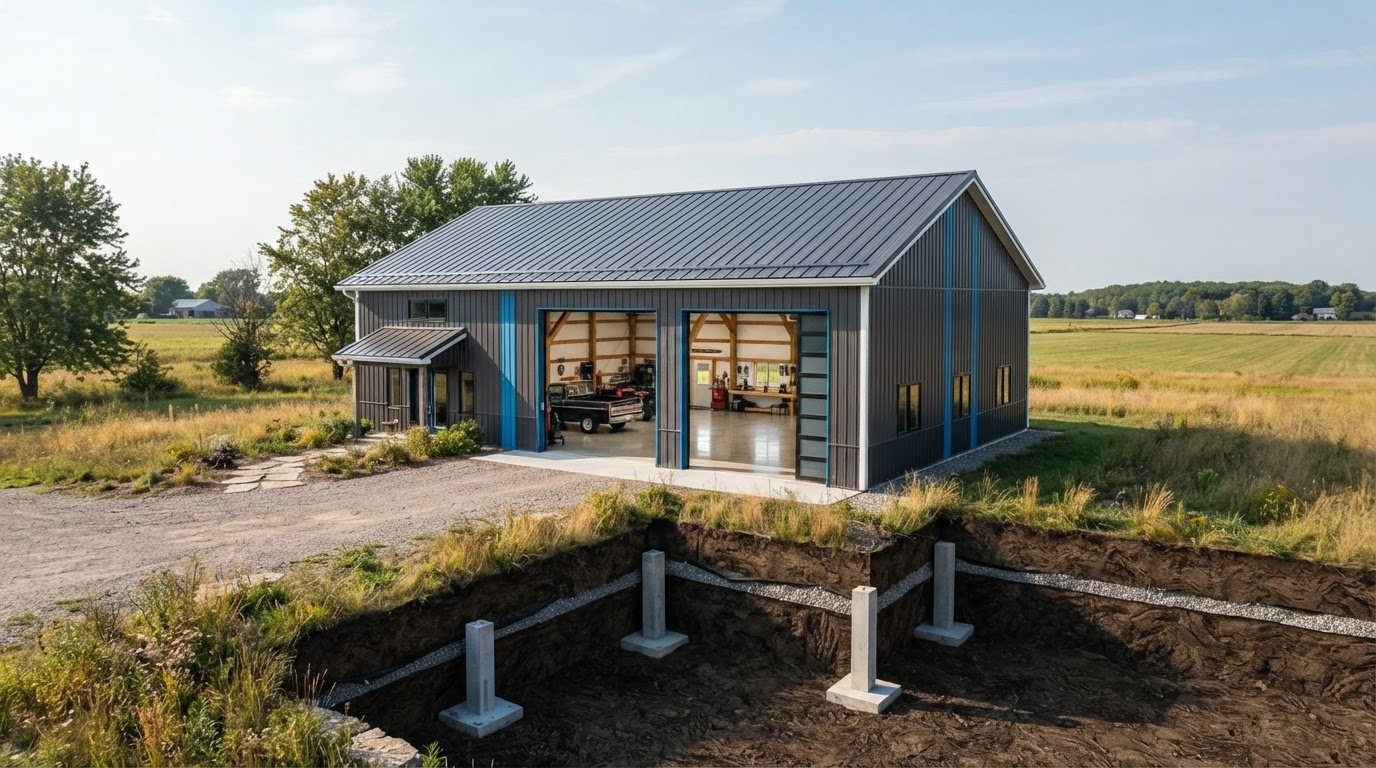
Site Preparation: Grading, utility hookups and foundation work can add to the budget.
What Financing Options and Government Incentives Are Available for ADUs in Ontario?
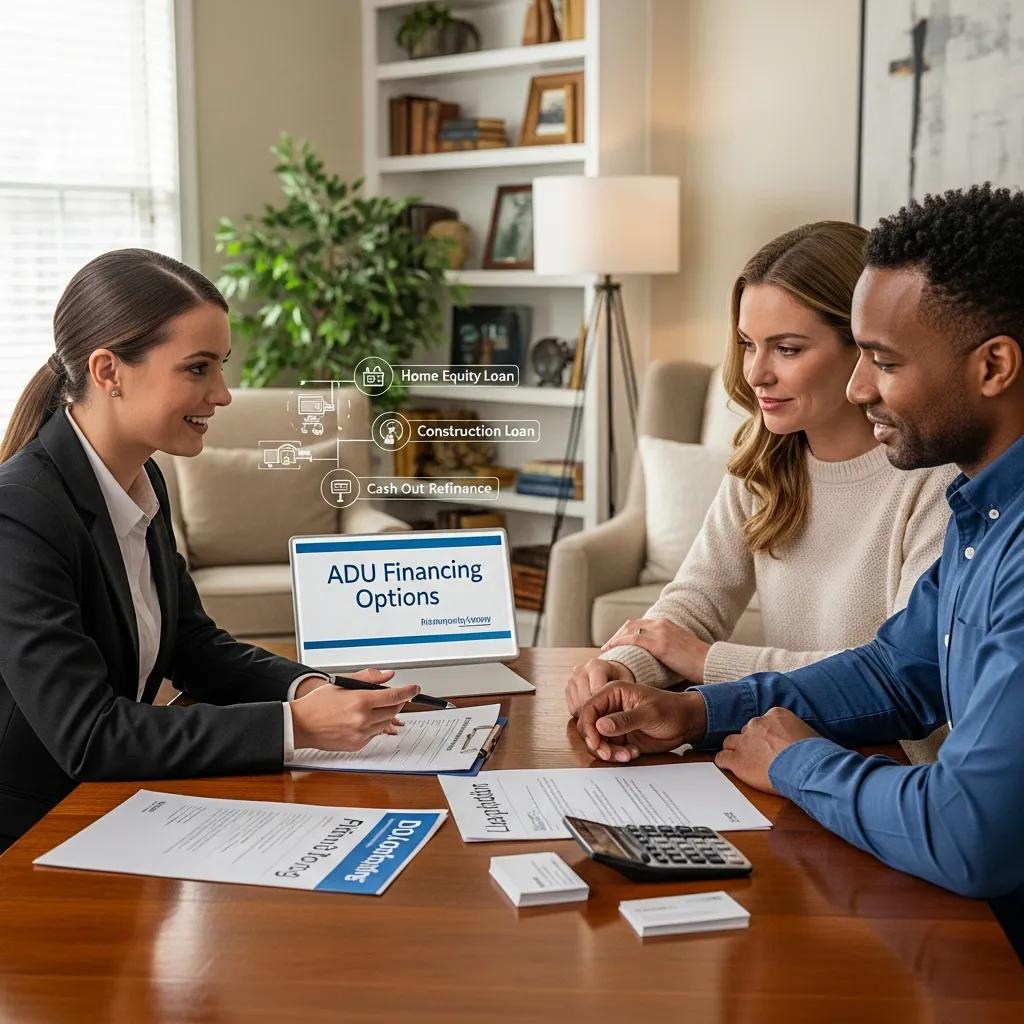
Many homeowners fund ADUs with a mix of sources:
-
Government Grants: Some programs support projects that include energy-efficiency upgrades or affordable housing elements.
-
Tax Incentives: Eligible energy improvements may qualify for tax credits or rebates.
-
Low-Interest Loans: Banks and credit unions offer renovation or construction loans that can cover ADU building costs.
Which Types of Custom Accessory Dwelling Units Can You Build in Windsor?
What Are the Features of Garden Suites, Laneway Houses, and Garage Conversions?
-
Garden Suites: Detached backyard cottages designed for privacy and comfort, often with their own entrance and outdoor space.
-
Laneway Houses: Compact homes along lanes or alleys that make efficient use of urban lots and deliver easy street access.
-
Garage Conversions: Turning an existing garage into living space can be a cost-effective option that leverages existing structure and utilities.
How Do Prefab ADUs Compare to Custom-Built Units in Essex County?
Prefab (modular) ADUs are built in a factory and assembled on-site, offering faster delivery and predictable costs. The main trade-offs are:
-
Cost: Prefab units are often less expensive thanks to controlled manufacturing.
-
Customization: Custom builds offer more control over layout, finishes and site-specific solutions.
-
Construction Time: Prefab can significantly shorten on-site construction time.
Modular construction is increasingly valued for cutting costs and accelerating delivery compared with traditional on-site builds.
Modular ADU Benefits: Cost, Space & EfficiencyStudies on modular ADUs highlight clear advantages: lower construction costs, faster timelines, and improved access for seniors or small households. They also note trade-offs around customization and adapting to specific sites.Potentials and Challenges of Accessory Dwelling Units Using Modular Construction, H Dang, 2021
How Can Santarossa Group’s Portfolio and Expertise Help You Start Your ADU Project?
What Are Examples of Successful Custom ADU Projects in Windsor and Essex County?
Santarossa Group’s ADU experience includes:
-
Modern Backyard Suites: Open-plan layouts with durable, energy-smart finishes that feel contemporary and welcoming.
-
Laneway Houses: Compact, well-appointed homes that maximize urban lots while improving curb appeal.
-
Converted Garages: Practical conversions that turn underused space into comfortable, rentable or family-ready units.
How Does Santarossa Group Support You Through Design Consultation to Construction?
We support clients at every stage:
-
Personalized Design Consultation: We listen first, then design plans that match your lifestyle and budget.
-
Project Management: We coordinate trades, schedules and inspections so the build runs smoothly.
-
Post-Construction Support: After handover we provide maintenance guidance and advice for future upgrades.
|
Cost Factor |
Description |
Estimated Range |
|
Size of Unit |
Larger units need more materials and labour |
$150,000 – $300,000 |
|
Materials |
Choice of finishes and systems affects upfront cost and lifecycle expenses |
Varies significantly |
|
Site Preparation |
Grading, foundations and utility connections influence the budget |
$10,000 – $30,000 |
Homeowners across Windsor and Essex County are increasingly choosing ADUs to add value and flexibility to their properties. With careful planning and the right contractor, an ADU can be both practical and rewarding.
Frequently Asked Questions
What are the benefits of building a prefab ADU compared to a custom-built unit?
Prefab ADUs usually cost less and build faster because they’re produced in a factory. That predictability can be a big advantage. Custom builds, however, let you tailor layout, finishes and site-specific solutions. If speed and budget control matter most, prefab is worth considering; if you need a highly customized fit, a traditional build may be better.
How can I maximize the rental income potential of my ADU?
Make the ADU attractive and functional: good layouts, durable finishes, modern appliances and energy-efficient systems. Prioritize comfort and storage, and think about privacy and access. Price competitively, market well online, and ensure you meet local rental regulations to attract reliable tenants and steady income.
What are the environmental benefits of building an ADU?
ADUs use existing lots to add housing, which helps limit urban sprawl and spare greenfield development. Choosing sustainable materials and energy-efficient systems lowers energy use and reduces long-term carbon footprint. Over time, those choices also cut operating costs for you or your tenants.
What should I consider when choosing the location for my ADU?
Check zoning rules, utility access and proximity to amenities like transit, parks and schools. Consider privacy, outdoor space and how the ADU will sit within the neighbourhood. A good site balances convenience, comfort and compliance with local regulations.
Are there any tax implications for renting out my ADU?
Yes. Rental income is typically taxable and must be reported. You can usually deduct related expenses — maintenance, repairs and management fees — but rules vary. Keep accurate records and consult a tax professional for guidance specific to your situation.
What are the typical timelines for building an ADU in Windsor?
Timelines vary with complexity, permitting and site conditions. Expect the whole process to take roughly six months to more than a year — from initial consultation and design approvals to permits and construction. Working with an experienced contractor helps produce a realistic schedule and keep the project moving.
What are the zoning requirements for building an ADU in Windsor?
Zoning rules depend on your property’s designation and local bylaws. Common limits cover unit size, height, setbacks, parking and utility access. Rules change over time, so contact the City of Windsor planning department or your contractor early to confirm what applies to your lot.
Can I use my ADU for short-term rentals?
Short-term rental use can be possible, but it depends on municipal rules and any licensing for short-term rentals in Windsor. There may be occupancy limits, licensing requirements or zoning restrictions — check local regulations or discuss options with your project advisor before listing.
What are the maintenance considerations for an ADU?
Routine upkeep keeps an ADU safe and attractive: check for leaks, service HVAC systems, maintain insulation and keep landscaping tidy. Seasonal tasks like snow removal and gutter cleaning prevent damage. A simple maintenance schedule protects your investment and keeps occupants comfortable.
How can I ensure my ADU is energy-efficient?
Design choices matter: choose high-efficiency appliances, LED lighting, quality insulation and energy-efficient windows. Consider solar readiness or heat-pump systems for long-term savings. An experienced contractor can recommend upgrades that balance cost and performance.
What financing options are available specifically for ADUs in Ontario?
Financing options include government grants for green building, tax credits for energy upgrades, and renovation or construction loans from banks. Some municipalities have programs supporting affordable or energy-efficient builds. Talk with a financial advisor to create a funding plan that fits your goals.
What are the common challenges faced when building an ADU?
Common challenges include zoning restrictions, permit timing, site constraints and budget management. Neighbourhood concerns can also arise. Working with a knowledgeable contractor helps navigate regulations, avoid costly surprises and keep the project on schedule.
Conclusion
Custom ADUs give Windsor and Essex County homeowners a straightforward way to add value and flexibility to their properties. Learn your options, costs and rules up front — and partner with a local builder like Santarossa Group to move from idea to a well-built ADU with confidence. Ready to explore possibilities? Start with a conversation about your lot, needs and budget.
Conclusion
Custom ADUs offer Windsor and Essex County homeowners a practical path to boost property value and create flexible living space. Understanding your options, costs and local rules is essential for success; partnering with a trusted local builder like Santarossa Group makes the process smoother from concept to completion. Take the first step by discussing your needs and budget with our team — unlock the potential of your property today.