Vinyl Liner Replacement for Your Inground Pool: Essential Costs, Signs, and Installation Guidance
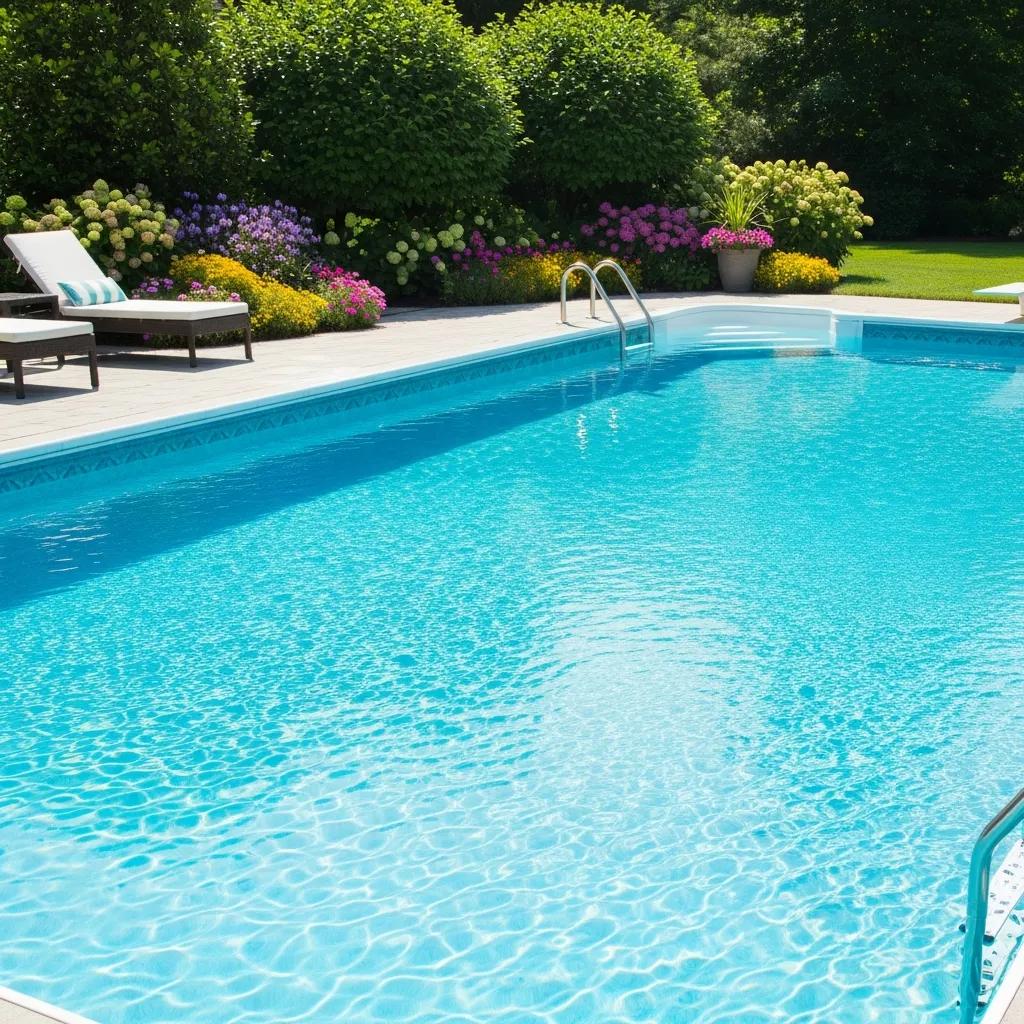
Vinyl liner replacement is a crucial aspect of maintaining the aesthetic and functional integrity of your inground pool. Over time, exposure to the elements can lead to wear and tear, necessitating a replacement to ensure safety and enhance the pool’s appearance. This article will guide you through the essential costs associated with vinyl liner replacement, signs that indicate a need for replacement, and the installation process. Understanding these elements will help you make informed decisions about your pool maintenance and renovation needs. We will also touch on the services offered by Santarossa Group, a Windsor and Essex County-based construction company specializing in vinyl liner replacement.
Vinyl Liner Replacement for Inground Pools
Vinyl liner replacement is a specialized service that involves removing the old liner and installing a new one to restore the pool’s functionality and aesthetics. This process is essential for maintaining the pool’s structure and preventing leaks, which can lead to costly repairs. The benefits of professional installation include ensuring a proper fit, minimizing the risk of damage during installation, and extending the lifespan of the liner. Santarossa Group offers expert vinyl liner replacement services tailored to the specific needs of your inground pool.
Essential Costs:

When considering vinyl liner replacement, it’s important to understand the associated costs. The average cost for replacing a vinyl pool liner in Windsor and Essex County typically ranges from $3,500 to $8,000. Several factors can influence this price, including the size of the pool, the type of liner selected, and any additional repairs that may be necessary during the replacement process.
Factors Influencing Vinyl Liner Replacement Pricing
-
Liner Type: Different types of vinyl liners, such as 20-mil and 27-mil options, can vary significantly in price.
-
Pool Size: Larger pools require more material and labor, increasing overall costs.
-
Additional Repairs: If the pool structure requires repairs or modifications, this can add to the total expense.
Understanding these factors can help you budget effectively for your vinyl liner replacement.
Signs Indicating a Need for Replacement:
Recognizing the signs that indicate a vinyl liner needs replacement is crucial for maintaining your pool. Common indicators include:
-
Visible Tears or Cracks: Damage to the liner can lead to leaks and should be addressed promptly.
-
Fading Colors: A significant loss of color can indicate that the liner is deteriorating and may need replacement.
-
Water Loss: If you notice a consistent drop in water levels, it may be a sign of a leak in the liner.
Addressing these issues early can prevent more extensive damage and costly repairs.
Installation Guidance:
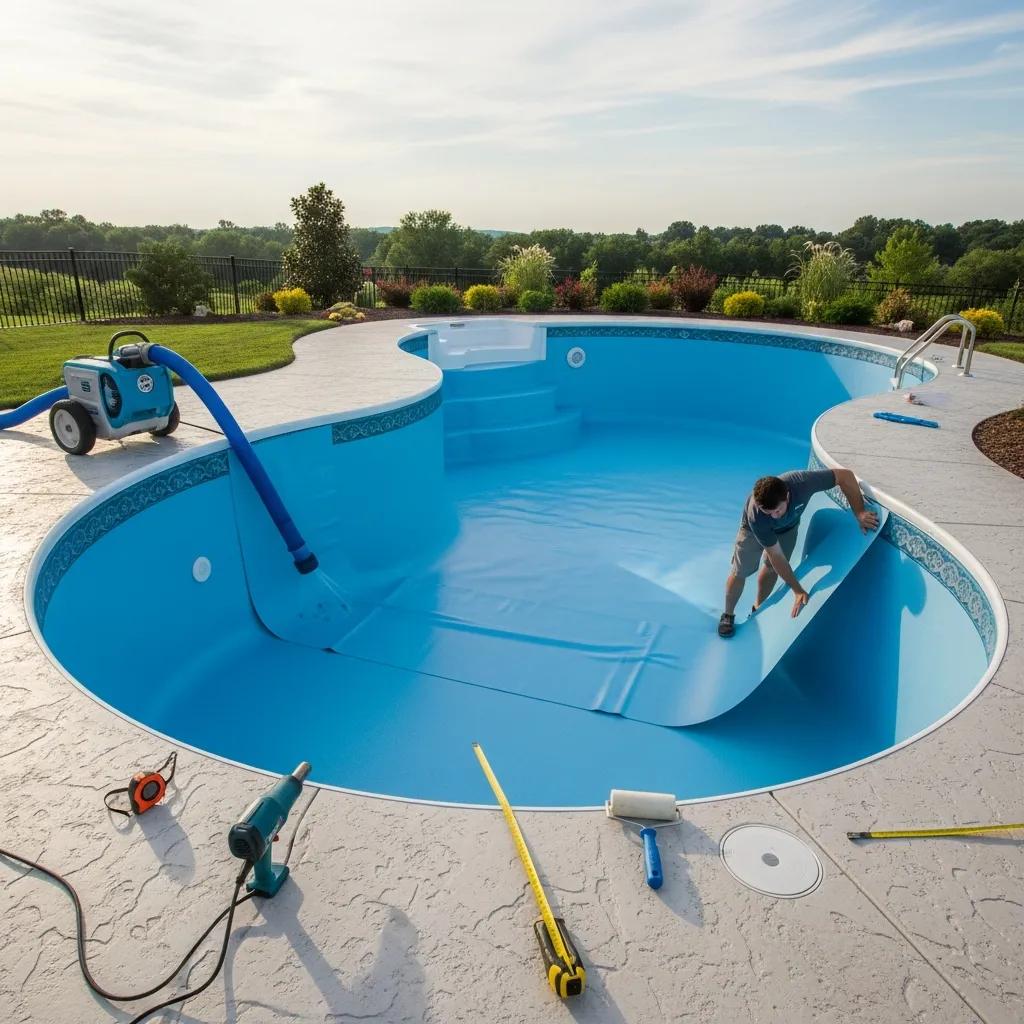
The installation of a new vinyl liner involves several key steps to ensure a successful outcome.
-
Site Evaluation: A thorough assessment of the pool’s condition is necessary to identify any underlying issues that need to be addressed before installation.
-
Preparation: This includes draining the pool, removing the old liner, and preparing the pool structure for the new liner.
-
Installation: The new liner is carefully fitted and secured to ensure a proper seal and prevent future leaks.
-
Final Checks: After installation, the pool is filled, and final adjustments are made to ensure everything is functioning correctly.
For those considering a vinyl liner replacement, Santarossa Group provides professional installation services that ensure a seamless process from start to finish.
Professional Installation Steps for Vinyl Liner Replacement
-
Drain the Pool: Safely remove all water from the pool to prepare for liner removal.
-
Remove Old Liner: Carefully take out the existing liner, checking for any damage to the pool structure.
-
Install New Liner: Position the new liner, ensuring it fits snugly and is properly aligned.
-
Fill the Pool: Gradually fill the pool with water, checking for any leaks or issues during the process.
By following these steps, you can ensure a successful vinyl liner replacement that enhances the longevity and appearance of your inground pool.
How Long Does Pool Liner Installation Typically Take?
The installation of a vinyl liner typically takes between 1 to 2 days, depending on the size of the pool and the complexity of the installation. This timeframe includes preparation, installation, and final checks to ensure everything is in order.
Looking to enhance your property further? Consider exploring options with a reliable pole barn builder to add versatile space.