Selecting an appropriate contractor for a home addition in Windsor materially affects the quality, cost, and timeliness of the final result. Homeowners face a wide set of options and potential risks when choosing a contractor; careful assessment of credentials, experience, financial terms, and scheduling practices reduces the chance of delays or unsatisfactory outcomes. This article outlines the essential factors to evaluate so you can make an informed decision and avoid common pitfalls during the planning and construction phases.
This guide covers licensing and insurance requirements, practical methods to evaluate contractor experience and reputation, budgeting and cost‑comparison strategies, and project management expectations. It also provides guidance on design choices, sustainable practices, and local regulatory considerations that influence a successful home addition.
What Licensing and Insurance Requirements Should Windsor Home Addition Contractors Meet?
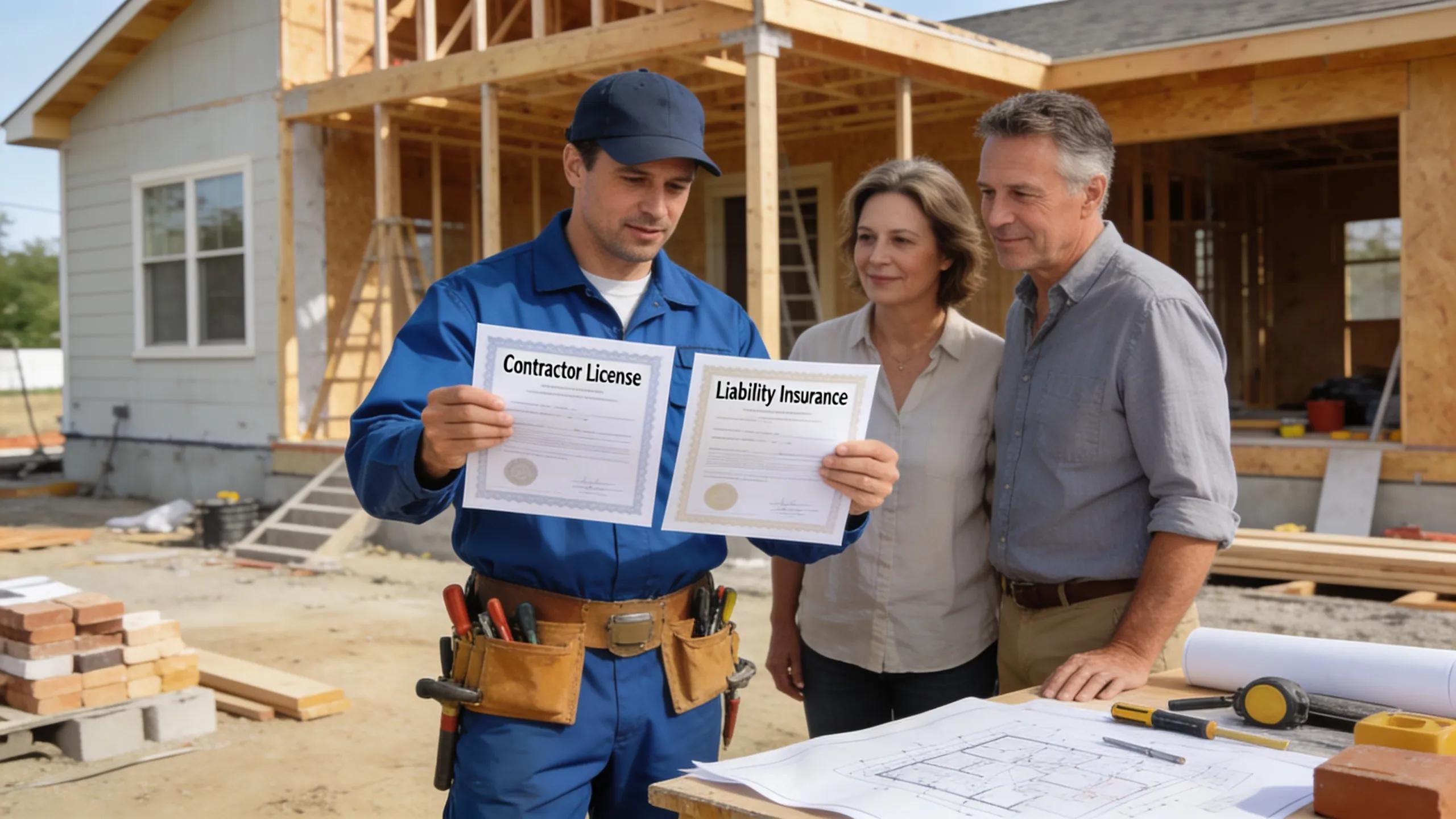
Knowledge of licensing and insurance requirements is fundamental to protecting your investment and ensuring compliance with Ontario construction regulations. Contractors must hold the appropriate licences to demonstrate their qualifications and adherence to professional standards. Adequate insurance coverage limits financial exposure for both the homeowner and the contractor in the event of accidents or property damage.
Confirm credentials by checking with relevant regulatory bodies and by requesting copies of insurance policies and certificates of coverage. Verifying these items reduces the risk of engaging underqualified or uninsured contractors and supports a lawful, well-managed project.
How to Verify Contractor Licensing in Windsor
Verifying a contractor’s licence confirms they meet statutory qualifications. Recommended steps include consulting official registries, requesting documentation, and maintaining records of verification activities.
-
Check for Local Licensing Compliance: Visit the Ontario Ministry of Government and Consumer Services website to confirm the contractor’s license status.
-
Verify Insurance and WSIB Registration: Request documentation of their liability insurance and ensure they are registered with the Workplace Safety and Insurance Board (WSIB).
-
Document Verification Processes: Keep records of all correspondence and verification processes to provide additional security and transparency during your project.
Completing these verification steps ensures the contractor has the legal authority and insurance protections needed to perform the work.
Why Is Comprehensive Insurance Essential for Home Addition Projects?
Comprehensive insurance provides financial protection against third‑party liability, property damage, and other construction risks. It safeguards homeowners from costs associated with accidents on site and limits exposure to claims arising during the build.
Workers’ compensation and contractor liability coverages also reduce the homeowner’s legal and financial risk if injuries or unforeseen events occur. Verifying insurance coverage is therefore an essential part of due diligence prior to contract execution.
How Does Contractor Experience and Reputation Impact Home Addition Success in Windsor?
A contractor’s experience and reputation strongly influence project quality and reliability. Contractors with established track records typically demonstrate refined processes, problem‑solving ability, and familiarity with common construction challenges.
Reviewing past projects and client feedback provides direct evidence of a contractor’s capabilities and helps set expectations for workmanship and communication throughout your project.
What Are Trusted Sources for Reviews of Windsor Home Builders?
To identify reputable builders, consult multiple review sources that provide independent and local perspectives. Cross‑referencing these sources reduces bias and yields a clearer assessment of contractor performance.
-
Google Reviews: Search for local contractors on Google to see feedback from previous customers.
-
Community Feedback: Engage with your local community by asking friends and family for recommendations based on their experiences.
-
Local Directories: Cross-reference contractors listed in regional business directories, which often contain user ratings and detailed information about service offerings.
Combining online reviews, personal referrals, and directory listings creates a more comprehensive profile of a contractor’s reliability and workmanship.
How to Assess a Contractor’s Local Construction Experience and Portfolio
Assessing local experience ensures the contractor understands Windsor’s permitting requirements, climate considerations, and prevalent design norms. This knowledge supports compliance and aesthetic suitability for your addition.
-
Investigate Years of Experience: Consider contractors who have been in the business for several years, as they are more likely to have tackled various challenges.
-
Review Project Portfolios: Request access to completed projects that align closely with your design vision to see firsthand the quality of their workmanship.
-
Seek Client Testimonials: Gathering feedback from past clients will offer essential insights into their reliability and quality of service.
These assessment steps help confirm a contractor’s competence and their capacity to execute your specific requirements.
What Construction Timelines and Project Management Practices Should You Expect?

Clear expectations for project phases and timelines are essential for effective planning. Typical stages include design, permitting, construction, and final inspections, each with distinct deliverables and timeframes.
Expect regular, scheduled communication from your contractor—such as progress reports and updated timelines—and documented processes for handling changes to scope or schedule. These practices reduce uncertainty and support on‑time completion.
What Is a Reasonable Timeline for Home Additions in Windsor?
Timelines vary with project complexity, but the following estimates provide a baseline for planning and scheduling decisions.
-
Design and Permitting Phase: 4-6 weeks for obtaining necessary design approvals and permits.
-
Construction Duration: Depending on the project’s complexity, construction often takes 8-12 weeks or more.
-
Final Inspections and Touch-Ups: Once construction is complete, final inspections may require an additional 1-2 weeks.
Use these estimates to set realistic expectations and to build contingency time into your schedule.
How Do Contractors Manage Delays and Communicate Progress?
Reputable contractors anticipate potential delays through risk assessments and contingency planning. They document issues and present remedial options to the homeowner promptly.
Regular updates, formal change orders for scope adjustments, and a clear escalation path for emerging problems support transparency and keep the project on track.
How Should You Plan Your Budget When Hiring a Home Addition Contractor in Windsor?
A detailed budget and contingency planning are essential to limit cost overruns. Establishing clear financial parameters at the outset reduces the likelihood of disputes and supports timely decision making during the build.
Estimate total costs by accounting for scope, preferred materials, and labour rates. Obtain multiple competitive quotes to compare value, and ensure each quote aligns with the project specifications you provide.
How to Compare Home Addition Cost Estimates and Quotes Effectively
Effective comparison requires consistent, itemised estimates and an understanding of each contractor’s payment structure and warranty terms.
-
Detailed Breakdowns: Ensure each quote includes a comprehensive breakdown of materials, labor, and any additional costs involved.
-
Payment Terms and Timelines: Compare how each contractor structures payment milestones, which can provide insights into their project management approach.
-
Warranties Offered: Investigate the warranty policies provided—this can indicate a contractor’s commitment to quality work.
Review these elements side‑by‑side to determine which contractor delivers the best combination of quality, reliability, and price.
What Are Common Cost Factors and Hidden Fees to Anticipate?
Several predictable cost drivers and potential hidden fees can affect the final project budget. Anticipating them in advance improves financial preparedness.
-
Understanding Construction Costs: Materials, labor, and overhead all contribute to the financial estimate of your project.
-
Permitting Fees: Be sure to factor in the costs associated with obtaining necessary building permits.
-
Contingency Fund: Setting aside a contingency fund of roughly 10-15% of your budget helps account for unforeseen expenses or changes during the project.
Documenting these factors in your budget and contract reduces the risk of unexpected charges during construction.
Which Design and Customization Options Should Reliable Windsor Contractors Offer?
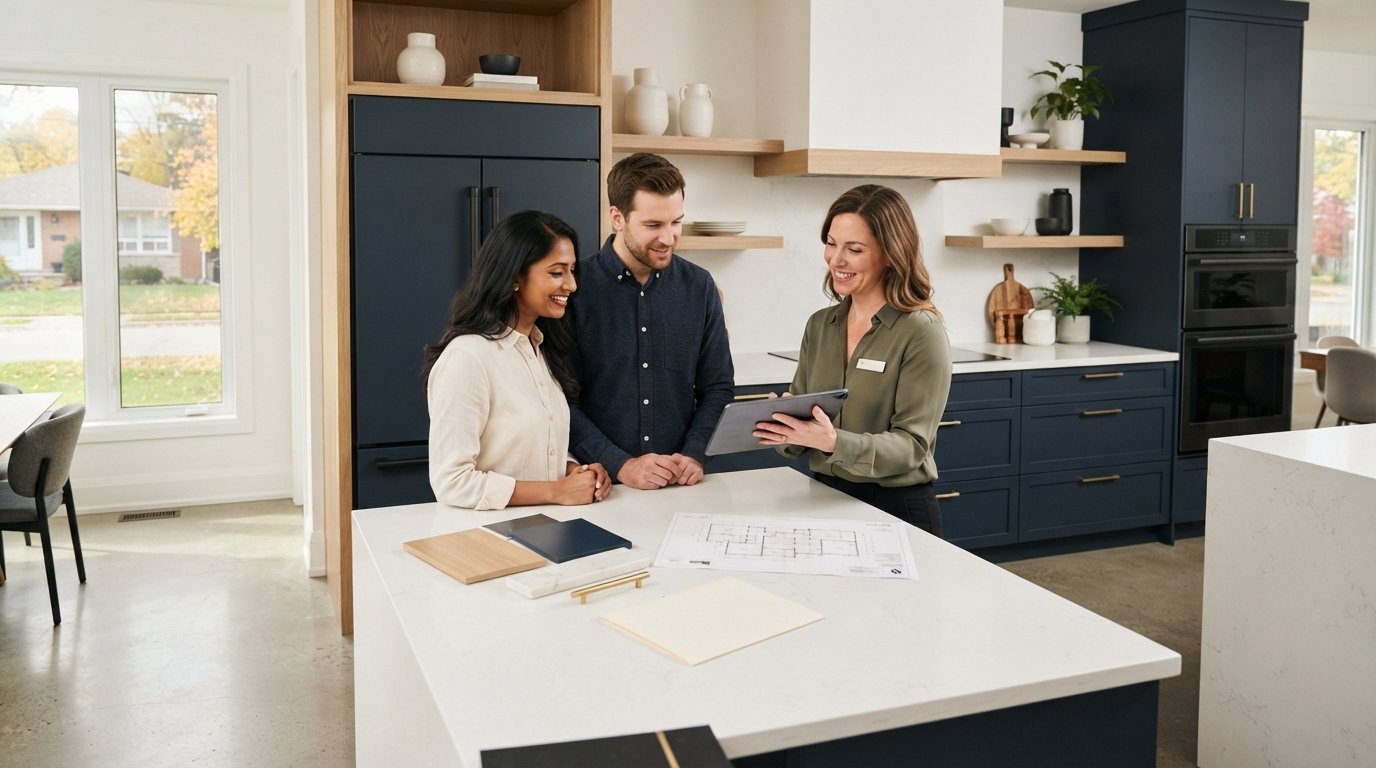
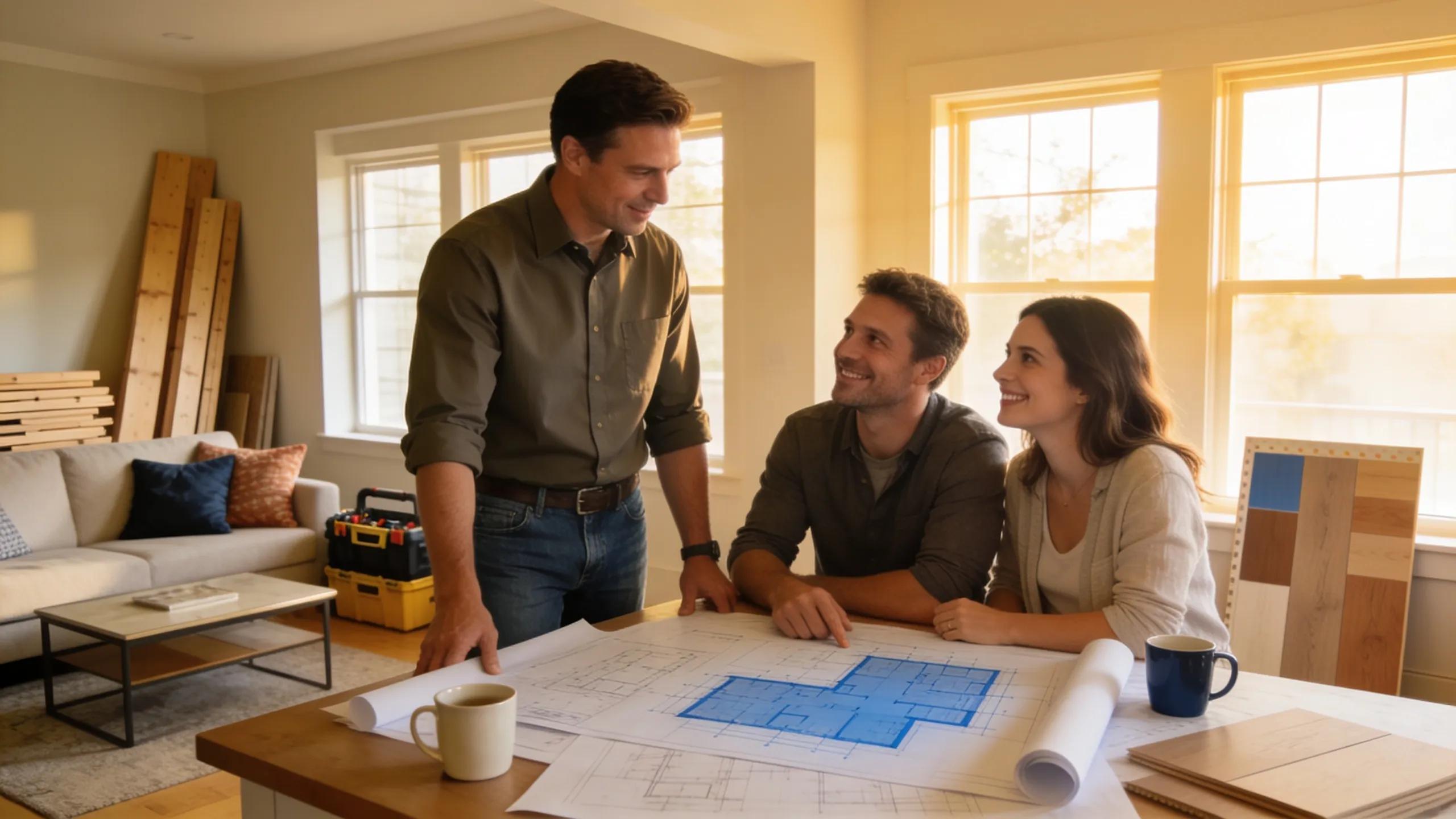
A competent contractor should present a range of design and customization options and explain how each choice affects cost, schedule, and regulatory compliance. Collaboration during design ensures the final result meets functional and aesthetic goals.
Design flexibility permits evaluation of different layouts, materials, and finishes to achieve the desired balance of durability, cost, and appearance. Reliable contractors propose solutions that comply with applicable codes while reflecting client preferences.
How Can Contractors Accommodate Personalized Home Addition Designs?
Experienced contractors adapt design options to meet specific client requirements, balancing practical constraints and desired outcomes. They should outline how each change affects budget and timeline.
-
Design Flexibility: Adjustments to layouts can optimize your space, whether creating a new bathroom, additional bedroom, or expanding a living area.
-
Material Selection: Discussion of material choices can ensure durability and align with your budget while appealing to your design sense.
-
Functional Customization: Contractors should identify how best to integrate functionality within the added space, enhancing the utility of your home.
Confirming that a contractor offers tailored options ensures the addition will meet both regulatory requirements and your personal objectives.
What Sustainable and Modern Building Practices Are Available?
Many homeowners now prioritise sustainable materials and energy‑efficient systems. These practices can reduce operating costs and improve the environmental performance of the addition.
When selecting a contractor, discuss available green options and their cost‑benefit implications so you can decide which sustainable measures align with your priorities and budget.
What Local Regulations and Permits Are Required for Home Additions in Windsor?
Compliance with local zoning bylaws and building codes is mandatory. Securing the correct permits and meeting regulatory standards prevents legal complications and costly rework.
Review your property’s zoning restrictions and permit requirements early in the planning process. Engaging a contractor experienced with Windsor’s regulatory landscape will streamline approvals and reduce administrative delays.
Frequently Asked Questions
1. What should I look for in a contractor’s portfolio?
When reviewing a contractor’s portfolio, check for projects similar to yours in terms of scope and style. Look for diversity in their work, showcasing various design elements and finishes. Ensure the quality of workmanship is evident, and don’t hesitate to ask for specific projects they are particularly proud of. Additionally, inquire about any particular challenges they faced during these projects and how they overcame them, as this can indicate their problem-solving skills and reliability.
2. How can I ensure my contractor stays on budget?
To help your contractor stay on budget, ensure that you have a detailed contract that outlines project costs, payment milestones, and allowances for unexpected expenses. Regularly communicate and request updates on spending, and keep track of any changes or additional fees that arise during construction. Establish a clear approval process for any modifications that may incur extra charges, which helps maintain financial transparency and accountability throughout the project.
3. What are the benefits of sustainable building practices in home additions?
Sustainable building practices offer numerous benefits, including reduced energy consumption and lower utility bills over time. Using eco-friendly materials can improve indoor air quality and decrease your home’s carbon footprint. Furthermore, sustainable designs may increase property value and appeal to environmentally conscious buyers in the future. Engaging contractors experienced in green building techniques can help you implement these practices effectively, ensuring both style and sustainability.
4. How can I communicate my design vision to my contractor?
To communicate your design vision effectively, prepare a clear outline of your ideas, including mood boards, images, and specific examples of styles you admire. Detailed sketches or rough drawings can also provide context. Discuss essential factors like budget constraints, preferred materials, and functionality. Engaging in open discussions and providing feedback throughout the design process can help align your expectations with the contractor’s proposals and expertise.
5. What should I know about permit applications in Windsor?
Permit applications in Windsor typically require detailed plans and specifications of the proposed addition, including compliance with local zoning laws and building codes. It’s advisable to consult your contractor about the specifics of what paperwork is needed, as they will usually have experience navigating these applications. Be prepared for potential delays in approval, and make allowances for this in your project timeline to avoid unexpected setbacks.
6. Are there common legal issues that can arise during home addition projects?
Common legal issues in home addition projects can include disputes over contracts, non-compliance with local building codes, and conflicts regarding property lines. To mitigate these risks, ensure that all agreements are documented clearly and professionally. Additionally, work closely with your contractor to keep abreast of all regulations and zoning laws that apply to your project. Engaging legal counsel familiar with construction law can provide added protection and guidance.
7. How important is ongoing communication during the construction process?
Ongoing communication during construction is vital for ensuring the project remains on track and aligned with your expectations. Regular updates help address any concerns promptly and can prevent misunderstandings that may lead to costly mistakes or delays. Set expectations for communication frequency and methods with your contractor, such as weekly meetings or progress reports, to foster a collaborative working relationship throughout the project.
Conclusion
Selecting the right home addition contractor in Windsor directly influences quality, schedule adherence, and budget performance. A clear understanding of contractor qualifications, documented processes, and communication expectations supports informed decision making. Consult available resources and professional references to identify a contractor whose qualifications, portfolio, and practices align with your project objectives.