7 Practical Criteria to Choose the Right Local ADU Builder — A Homeowner’s Guide
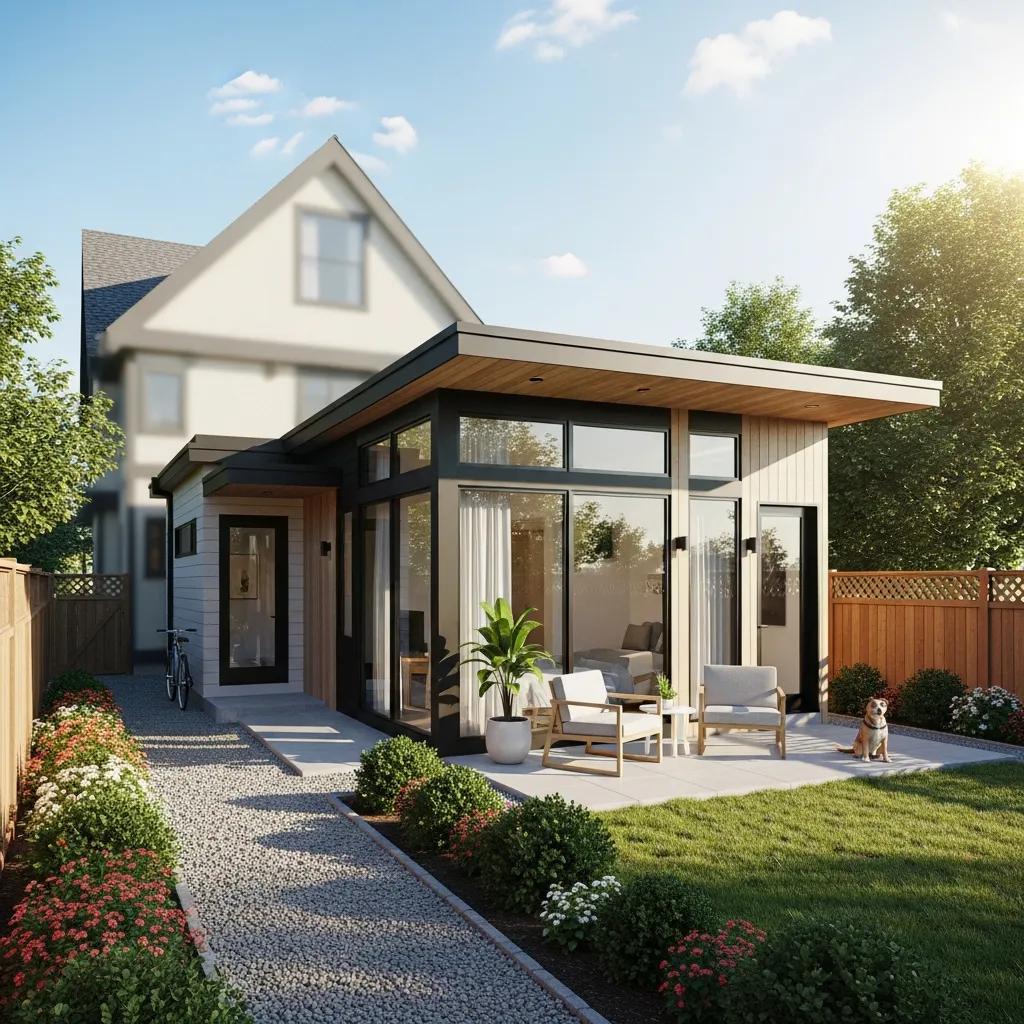
Picking the right builder for your Accessory Dwelling Unit (ADU) separates a smooth, on-budget build from a project full of delays and stress. This guide lays out seven down-to-earth priorities: real ADU experience, valid licensing and insurance, strong client references, local permitting know-how, clear communication, transparent pricing, and full design‑build capability. Many homeowners struggle to find contractors who understand ADU rules and site challenges—use these points to compare teams and choose one that fits your goals and schedule. Below we explain why each factor matters and what to look for when hiring.
What proven ADU-specific experience should you look for in a local builder?
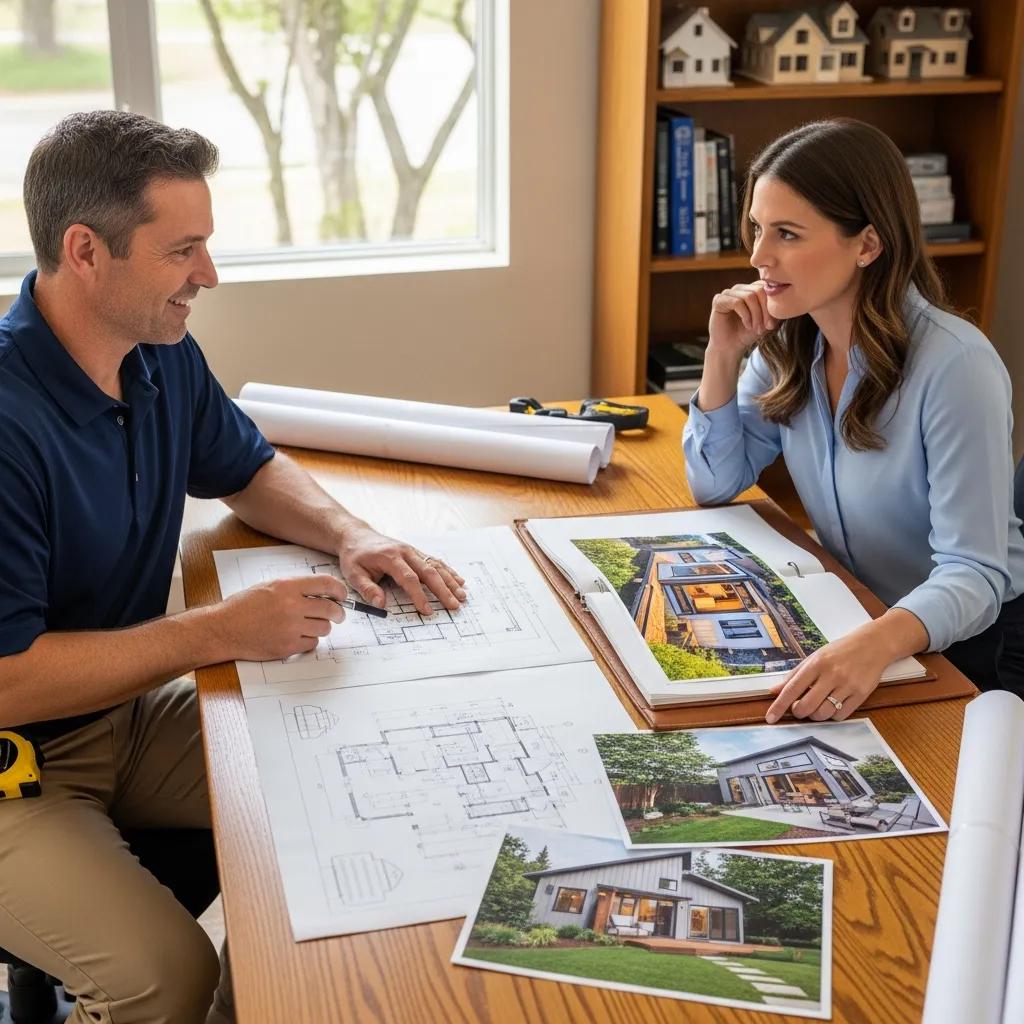
ADU-focused experience matters. A solid portfolio of finished ADUs shows a builder’s practical skills and how they solve common site problems—especially on projects with similar lot constraints or design goals. Experienced teams create smoother sequencing, fewer surprises, and smarter use of tight spaces. In practice, successful ADU builders often standardize key details and rely on trusted trade partners to keep quality and costs consistent.
ADU Builder Perspectives: Production Models & Industry ChallengesSince AB2299 passed in 2017, ADU production in California has grown. The law encouraged infill rental housing and made room for smaller, more innovative firms. Conversations with architects, contractors and tech providers show strong interest in ADUs but relatively few completed projects; industry experts point to shared policy and process ideas for scaling production. Successful builders we spoke with typically standardize construction elements and workflows and lean on dependable subcontractors to reduce friction and cost.Architecture and the Accessory Dwelling Unit Revolution: Perspectives from Builders, 2024
How does a builder’s portfolio demonstrate their ADU expertise?
A portfolio is one of the clearest proof points. Look for finished projects that show different layouts, materials and site conditions—especially examples that match your ADU’s size and style. Consistent photos, project notes and client contacts that highlight quality and practical problem‑solving are signs the builder understands ADUs.
Why is ADU-specific experience critical for successful backyard home projects?
ADUs come with unique constraints—setbacks, lot coverage, utility routing and neighborhood rules. Builders who work on ADUs regularly anticipate those limits, propose efficient layouts, and navigate permitting hurdles more smoothly. That reduces costly change orders and keeps your project moving on schedule.
Why are proper licensing and comprehensive insurance essential when hiring an ADU contractor?
Licenses and insurance aren’t just paperwork — they’re homeowner protection. Hiring licensed, insured contractors helps ensure work follows local rules and keeps you protected if someone is hurt or property is damaged during construction. Always verify credentials before you sign.
What licenses and insurance should a qualified ADU builder have?
A qualified ADU builder should hold the contractor licenses required in your municipality (for example, a general contractor license) and any trade-specific credentials for electrical, plumbing or structural work. They should carry general liability insurance and workers’ compensation. Ask for certificates and confirm coverage with the issuing provider.
How do licensing and insurance protect homeowners during ADU construction?
Licensing shows the team understands code and inspection requirements; insurance protects you financially if there’s an injury or property damage. Together they lower your legal and financial exposure and give confidence that professionals are handling the job.
How can strong references and positive client reviews influence your choice of ADU construction company?
References and reviews reveal how a builder performs on schedule, on budget and in communication—details that don’t appear on a brochure. They help you confirm whether a builder keeps commitments and solves problems professionally. When possible, speak with recent clients.
Where to find reliable reviews and testimonials for ADU builders?
Start with Google and trade-platform reviews, plus local homeowner forums and industry sites. Social media can show recent projects and client interactions, and direct references from the builder let you ask targeted questions about timelines, budgets and workmanship.
What questions should you ask past clients about their ADU builder experience?
-
Were you satisfied with the final result?
-
Did the builder meet the agreed timeline and budget?
-
How responsive and clear was communication during the project?
How important is local knowledge of regulations and permits in Windsor Essex County for ADU builders?
Local code knowledge is crucial in Windsor‑Essex. Zoning, permit paths and inspection practices vary by municipality; a builder who knows the local process will avoid common delays and design pitfalls.
What are the key ADU zoning laws and permit requirements in Windsor and Essex County?
Key items typically include limits on ADU size and height, placement relative to setbacks, parking rules, and utility connections. Builders familiar with Windsor‑Essex requirements can design to meet those rules and assemble permit-ready packages that minimize back-and-forth with city staff.
How does local expertise prevent delays and ensure compliance in ADU projects?
Local expertise helps builders prepare accurate drawings, submit complete permit applications and anticipate inspection questions. That preparation reduces rework, keeps schedules on track and avoids costly last-minute changes.
What role does transparent communication and project management play in hiring a good ADU builder?
Clear communication and firm project management keep your build predictable. When your builder sets expectations and provides regular updates, you’ll avoid misunderstandings and can make timely decisions.
How to evaluate an ADU builder’s communication practices?
Watch responsiveness during the estimate stage, ask whether you’ll have a single point of contact, and learn what tools they use for updates (email, phone or a project portal). Builders who proactively share schedules and progress reports tend to run smoother projects.
What project management processes ensure a smooth ADU construction experience?
Look for a clear timeline with milestones, a documented change-order process, and contingency plans for weather or supply delays. Regular site meetings and written progress updates help keep everyone aligned.
How can clear and detailed pricing with contract transparency help avoid hidden costs in ADU projects?
Transparent pricing prevents surprises. An itemized quote shows what’s included, what’s an allowance, and what could trigger a change order—so you can plan and compare bids fairly.
What should a transparent ADU construction quote include?
A solid quote breaks down materials, labor, permits, inspections, allowances for finishes and any builder fees. It should list payment milestones, how change orders are handled and what warranties are offered.
How to understand and negotiate ADU contract terms effectively?
Watch payment schedule, scope of work, timelines, warranty coverage and who pays permit fees. Ask for clarification on anything unclear and get negotiated changes in writing before work begins.
Why are comprehensive design-build services and customization key qualities of a good ADU builder?
Design-build keeps design and construction under one roof, simplifying coordination and helping keep budget and schedule aligned. Builders who provide customization help you get the most value from a small footprint.
What design options and ADU types should a builder offer?
A reputable builder will offer several ADU types—detached backyard units, attached secondary suites and tiny homes—and flexible design choices to fit your needs. Look for options that balance style, function and cost.
How does end-to-end service benefit homeowners building backyard homes?
End-to-end service gives you a single point of responsibility from concept through construction. That reduces miscommunication, speeds decisions and usually delivers a more cohesive final product that matches your budget and timeline.
Frequently Asked Questions
What are the common challenges homeowners face when building an ADU?
Typical challenges include navigating zoning and permits, managing timelines and keeping costs under control. Misunderstanding local rules can cause delays, and poor communication with contractors makes the process harder. Hiring a builder with ADU experience and a clear track record helps you avoid most of these issues.
How can homeowners ensure their ADU project stays within budget?
Keep your project on budget by starting with a realistic financial plan that covers materials, labor, permits and a contingency. Request itemized quotes, lock in finish allowances early, and keep open communication with your builder so changes are agreed to before work proceeds. Regular budget check‑ins help prevent surprises.
What are the benefits of hiring a local ADU builder?
Local builders know municipal rules and have relationships with suppliers and trades, which can speed permitting and improve pricing. They also understand regional styles and site conditions, which helps produce a better-fitting design and smoother construction.
How can homeowners assess the quality of an ADU builder’s work?
Review the builder’s portfolio for similar projects, read testimonials and ask for references you can contact. If possible, visit completed projects to inspect workmanship. Online reviews and industry listings add broader reputation context.
What should homeowners know about the timeline for ADU construction?
Timelines vary with project complexity, permit processing and builder availability. Expect the full process—from design to completion—to take several months. Discuss realistic milestones with your builder and allow time for inspections and possible supply delays.
What are the advantages of customization in ADU design?
Customization lets you tailor the ADU for accessibility, rental layout or multi-generational living. Thoughtful design makes better use of limited space, improves day-to-day functionality and can increase resale value.
How can homeowners prepare for the construction phase of their ADU project?
Prepare by securing permits, setting up a staging area for materials and agreeing on communication channels with your builder. Set expectations for site access and likely disruptions—being organized up front makes construction run smoother.
What are the common challenges homeowners face when building an ADU?
Common issues include navigating zoning and permits, managing schedules and sticking to budget. Choosing a contractor with ADU experience and clear communication practices will help you avoid the main pitfalls.
How can homeowners ensure their ADU project stays within budget?
Begin with a realistic budget that includes materials, labor, permits and a contingency. Obtain itemized quotes, lock in allowances for finishes and keep an open line with your builder so changes are agreed before work starts.
What are the benefits of hiring a local ADU builder?
Local builders understand municipal rules, have established supplier and trade relationships, and can often move projects through permitting faster. They’re also familiar with regional styles and site conditions.
How can homeowners assess the quality of an ADU builder’s work?
Check the builder’s portfolio for similar projects, read client testimonials and ask for references you can contact. Visiting completed jobs gives the best sense of workmanship and detail.
What should homeowners know about the timeline for ADU construction?
Timelines depend on complexity, permit turnaround and builder availability. From design to completion, expect several months; agree on realistic milestones and allow time for inspections and supply issues.
What are the advantages of customization in ADU design?
Customization helps you tailor the ADU for specific needs—accessibility, rental layout or multigenerational living. Smart design improves usability and can boost property value while making the space more enjoyable daily.
How can homeowners prepare for the construction phase of their ADU project?
Prepare by securing permits, creating a staging area for materials and setting communication protocols with your builder. Clear expectations around site access and disruptions will make the build run more smoothly.
Conclusion
Choosing the right local ADU builder is the single most important step toward a successful build. Prioritize real ADU experience, verified licensing and insurance, solid references, local permitting knowledge, clear communication, transparent pricing and the option of design‑build service. These factors reduce surprises and help deliver the ADU you envisioned. When you’re ready, explore our recommended builders and take the next step toward your ideal ADU.
Conclusion
Selecting the right local ADU builder sets the foundation for a smooth, successful construction process. Focus on proven experience, proper licensing and open communication to avoid common pitfalls and realize your vision. When you’re ready to begin, browse our curated list of trusted builders to find the right partner for your project.