
Affordable Fiberglass Pool Options for Windsor Homeowners
- Nicholas Menezes
- Dec 16, 2025
- 11 min read

Cost-Effective Fiberglass Pools in Windsor — Affordable Inground Installation and Lasting Savings
Fiberglass inground pools give Windsor homeowners a practical way to add backyard enjoyment and long-term value without runaway lifecycle costs. This guide lays out how one-piece fiberglass shells deliver durability and low upkeep, what typical installation and ownership costs look like locally, how Windsor’s climate affects performance and winter care, and which design and financing choices change the overall value. We define what “cost‑effective fiberglass” means (single-piece shell, gelcoat finish), explain why those features cut chemical and repair needs, and show how that translates to predictable operating costs over time. If you’re concerned about upfront pricing or seasonal performance, this article walks through excavation and equipment cost drivers, lifecycle comparisons with vinyl and concrete, and a realistic installation timeline. Following sections cover benefits and EAV comparisons, a clear cost breakdown with financing options, Santarossa Group’s Windsor installation process, customization and price impacts, freeze‑thaw performance and winterization tips, plus local homeowner feedback on long-term savings.
Why fiberglass pools are the most cost‑effective choice for Windsor homeowners
One-piece fiberglass shells combine structural strength with a non‑porous gelcoat surface that cuts maintenance and chemical use, producing more predictable operating costs over decades. The gelcoat resists algae and chemical absorption, meaning less scrubbing and lower sanitizer dosing compared with porous finishes. For Windsor homeowners that reduces spring and winter service needs and shortens downtime during seasonal transitions — which also lowers indirect costs like extended landscaping disruption or repeat contractor visits.
Below is a short entity‑attribute‑value summary showing the core advantages and how they deliver practical cost savings in local conditions.
Fiberglass pool benefits — what they mean for homeowners:
Benefit | Attribute | Explanation |
Durability & Lifespan | Gelcoat and flexible shell | Non‑porous gelcoat and a resilient composite shell commonly deliver a lifespan exceeding 30 years with regular care |
Low Maintenance | Reduced chemical & cleaning needs | Smooth surface limits algae and staining, cutting routine chemical use and cleaning time |
Faster Installation | Shorter project timeline | Factory‑built shells shorten onsite work and reduce indirect costs tied to longer construction windows |
What makes fiberglass pools durable and dependable in Windsor’s climate?

The durability of fiberglass pools comes from a sealed gelcoat finish and a composite shell that resists chemical penetration while offering flexibility under thermal stress. The gelcoat creates a surface that discourages algae and staining, reducing the need for aggressive cleaning that wears finishes down. The composite shell absorbs minor ground movement and thermal expansion better than rigid concrete, which helps during Windsor’s freeze‑thaw cycles. Because of these material traits, regular upkeep focuses on balanced chemistry and protective steps rather than frequent structural repairs — lowering lifetime repair costs and helping preserve resale value.
Cost‑Effective Construction and Covering Systems for Outdoor Swimming PoolsChoosing a construction process for an outdoor pool depends on design, soil, intended use, durability, budget, and schedule. Covering systems vary widely in cost and performance — from winter hibernation to year‑round protection and temperature control. This article synthesizes main construction methods and cover options and compares economic, technical and sustainability factors to help homeowners decide.Technical and Sustainability Analysis of Construction Processes and Covering Systems for Outdoor Swimming Pools, F Farinha, 2023
The material characteristics of fiberglass shells contribute directly to longevity and resilience, particularly when paired with appropriate construction and covering choices.
How fiberglass pools reduce maintenance and operating costs
A fiberglass shell’s smooth surface reduces weekly maintenance time and the amount of sanitizer and algaecide required, producing measurable annual savings versus vinyl‑lined or rough concrete pools. Operating costs fall further when the shell is paired with properly sized, efficient pump and filtration systems that use less electricity. Avoiding liner replacements (common with vinyl every 7–12 years) removes a recurring capital expense, and less frequent cleaning cuts service bills. Combined, lower chemical use, fewer professional cleanings, and durable finishes deliver more predictable — and often lower — annual ownership costs compared with other pool types.
Typical turnkey fiberglass pool installation costs in Windsor
Turnkey fiberglass inground pool installs in Windsor typically range from about $50,000–$100,000 for standard packages, with variation driven by shell size, site conditions, and selected features. The main cost drivers are site access and excavation complexity, shell size and add‑ons, and equipment and finishing choices like heating, lighting, and decking. The table below breaks down common line‑item categories with estimated Windsor ranges so you can see where budgets flex and where contingencies usually appear.
Component | What It Covers | Estimated Cost Range |
Excavation & Site Prep | Digging, rock removal, grading | $4,000–$15,000 |
Fiberglass Shell | Factory‑made pool shell | $20,000–$40,000 |
Pool Equipment | Pump, filter, basic heater | $4,000–$12,000 |
Finishing & Landscaping | Coping, decking, fence, planting | $8,000–$30,000 |
What affects the upfront installation price?
Upfront cost depends on site conditions and homeowner choices: limited backyard access or rocky subsoil increases excavation time and expense, while larger or custom shell designs raise material costs. Utility relocations, retaining walls, drainage fixes, and grading add scope where topography is unusual; flat lots with easy access lower labor and machinery needs. Equipment selections — energy‑efficient pumps, salt systems, integrated heaters — raise initial costs but can cut long‑term operating expenses. Sharing a clear checklist with bidders (site photos, access notes, desired features) helps contractors deliver itemized estimates and reduces scope creep during construction.
How long‑term savings make fiberglass pools more affordable overall
True affordability comes from looking at total lifecycle costs — upfront price plus ongoing maintenance and replacement. Fiberglass pools typically avoid vinyl liner replacements and need fewer major repairs than concrete, which can crack and require replastering. Over 10–20 years, savings on chemicals, fewer professional cleanings, and avoided refurbishments often offset higher upfront choices like upgraded equipment or finishes. Homeowners who prioritize efficient circulation systems and quality covers can shorten payback periods by lowering seasonal heating and pump energy use, pushing the ownership math toward net savings.
Financing options for fiberglass pool projects in Windsor
Common ways homeowners spread installation costs include home equity financing, personal loans, and contractor payment plans or third‑party financing. Each route has different interest rates, terms, and flexibility; compare itemized estimates so loan amounts match the actual scope. Santarossa Group provides free site evaluations and itemized quotes you can use to shop financing and compare monthly payment scenarios. Getting an itemized estimate during the site visit helps you pick financing that fits project priorities and long‑term savings goals.
How Santarossa Group manages fiberglass pool installations in Windsor
The Santarossa Group runs fiberglass inground pool projects in Windsor end‑to‑end, starting with a free site evaluation and continuing through permitting, construction and homeowner handover. We reduce the homeowner’s oversight burden by coordinating permit submissions, scheduling municipal inspections, and providing clear, itemized estimates that outline feature trade‑offs. Onsite, Santarossa Group handles excavation, shell set, plumbing and equipment installation, and final landscaping touch‑ups to keep timelines tight and minimize change orders. For homeowners who want clarity on schedule and cost, our free site evaluation is the practical first step to a detailed, local estimate that reflects Windsor zoning and site realities.
The Santarossa Group installation process follows predictable phases to limit surprises and ensure compliance:
Free Site Evaluation & Design: Onsite assessment, shell selection and a preliminary permitting checklist.
Permits & Scheduling: Permit submission, inspection bookings and material ordering to align timelines.
Excavation & Shell Set: Careful excavation, bedding and precise shell placement to factory tolerances.
Equipment & Plumbing: Installation of pumps, filters and safety features with tested plumbing systems.
Backfill, Decking & Landscaping: Controlled backfill and finishing work to restore the yard and meet code.
Inspection & Handover: Final municipal inspections, homeowner orientation and recommended maintenance schedule.
Step‑by‑step stages of a typical fiberglass pool build
Install sequencing starts with a free site evaluation and design selection, moves to permitting and excavation, then shell delivery and placement, plumbing and equipment setup, backfill and finishing, and finishes with inspections and homeowner orientation. Each stage asks for small homeowner actions — confirming final design choices or clearing adjacent landscaping for machinery — to keep transitions smooth. Timelines depend on site complexity, but proactive scheduling and accurate, itemized quotes set realistic completion expectations and reduce weather‑related delays. Good sequencing and permit coordination cut the risk of surprise change orders that add cost.
Cost‑Effective Construction and Covering Systems for Outdoor Swimming PoolsSelecting a construction approach for a pool depends on architectural intent, soil, function, aesthetics, durability, budget and schedule. Cover options vary in cost and performance depending on whether you need winter protection, year‑round use or temperature control. This paper summarizes main construction methods and covers and compares economic, technical and sustainability considerations to support decision‑making.Technical and Sustainability Analysis of Construction Processes and Covering Systems for Outdoor Swimming Pools, F Farinha, 2023
Knowing each installation stage — from design to handover — is key to managing expectations and keeping the project on track, which aligns with literature on construction and cover system choices.
How Santarossa Group keeps installations smooth and code‑compliant
Santarossa Group focuses on full project management: permit coordination, local code knowledge and documented quality checks at every phase to avoid rework. We prepare permit packages from the site evaluation, schedule required inspections with municipal authorities, and run pre‑inspection checks on plumbing and structural elements. After installation we provide a homeowner handover that outlines routine maintenance and seasonal checks to protect warranties and long‑term performance. This process‑driven approach helps Windsor homeowners avoid typical permit delays and unexpected compliance costs.
How fiberglass pools can be customized to suit Windsor homeowners
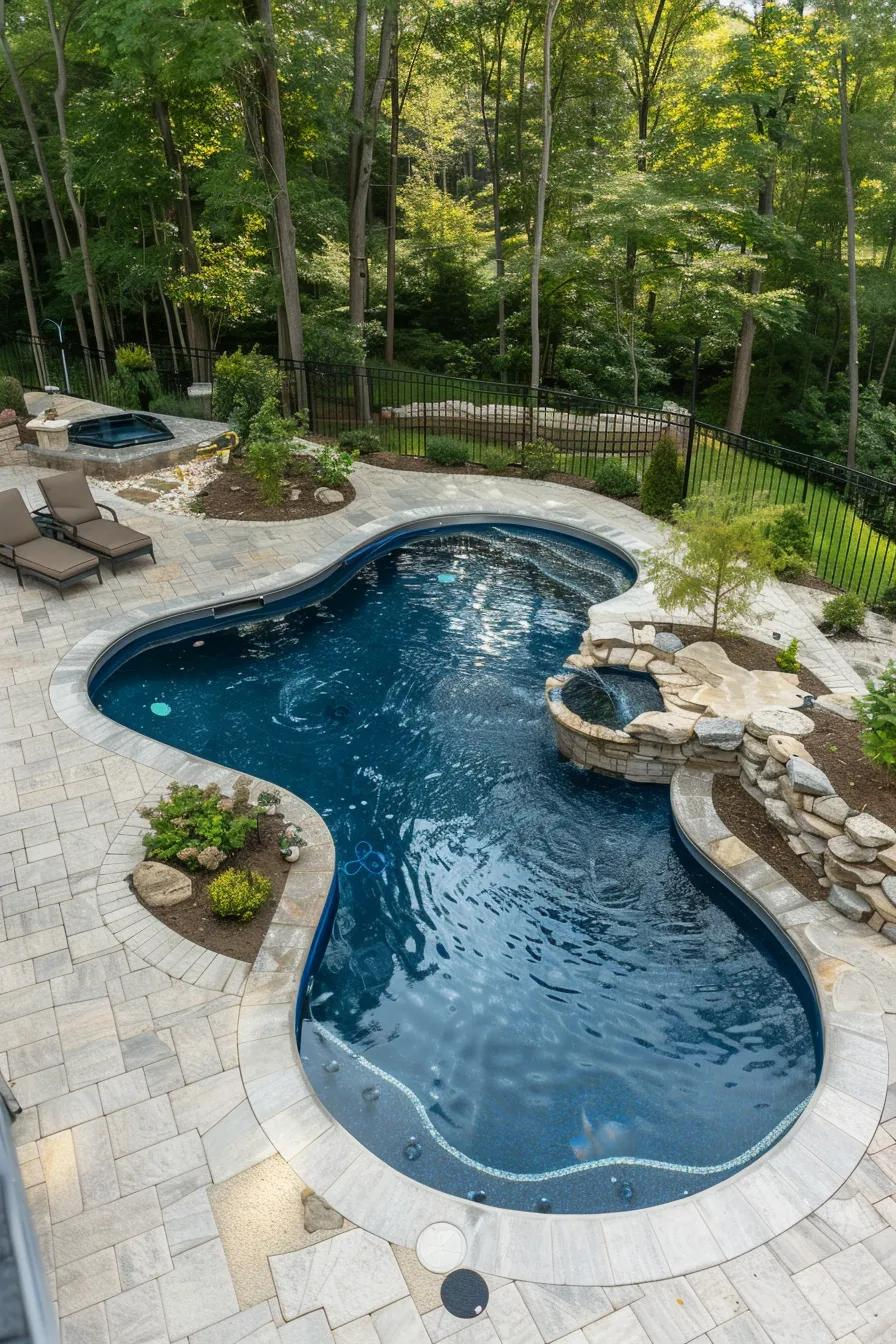
Fiberglass shells come in many shapes, sizes and built‑in features so Windsor homeowners can match looks and use while managing price impact. Common upgrades include built‑in spas, tanning ledges, integrated steps and lighting — each has a different cost impact and contributes differently to daily enjoyment and resale appeal. The table below links common features to typical cost impact and the lifecycle value they tend to deliver, helping homeowners prioritize upgrades that balance immediate enjoyment with long‑term return.
Feature | Typical Options | Price Impact / Value |
Built‑in Spa | Integrated spa or adjacent spa | Medium–High; adds year‑round usability and resale appeal |
Steps & Ledges | Integrated steps, tanning ledges | Low–Medium; improves safety and lounging without large cost increases |
Lighting & Finishes | LED lighting, upgraded coping | Low–Medium; enhances evening use and aesthetic value |
What shapes, sizes and features are available?
Common fiberglass styles include freeform shells for natural landscaping, rectangular or lap pools for exercise, plunge pools for tight yards, and larger recreational shells for family use. Shape influences price through material and excavation complexity. Sizes range from small plunge options for compact lots to larger shells suited for families and lap swimming; bigger volumes raise shell costs, excavation and equipment sizing. Add‑ons like tanning ledges, integrated steps and shallow lounging areas add incremental cost but often deliver outsized value by increasing everyday usability. Choosing a shell that fits your yard and intended use is the most cost‑effective way to balance upfront cost and long‑term satisfaction.
How thoughtful customization boosts value and curb appeal
Smart customization increases daily enjoyment and supports resale when upgrades match neighborhood standards and use durable finishes like low‑maintenance coping and decking. High‑impact, moderate‑cost choices — LED lighting, integrated steps — often deliver strong perceived value without raising lifecycle maintenance dramatically. Highly bespoke hardscaping can be expensive to recover in resale, so weigh ROI against neighborhood comparables. Prioritizing durable materials and energy‑efficient equipment during customization reduces future retrofit needs and keeps ownership costs predictable over time.
How fiberglass pools hold up in Windsor’s freeze‑thaw climate
Fiberglass performs well in Windsor’s freeze‑thaw environment because the composite shell flexes to accommodate minor ground movement and thermal changes better than more brittle finishes, lowering the risk of freeze‑related surface damage. The non‑porous gelcoat limits water intrusion into finishes and reduces seasonal deterioration, helping preserve the pool through temperature cycles. Proper winterization and equipment protection remain essential to avoid freeze damage to plumbing and mechanical parts — the checklist below covers practical winter steps for Windsor homeowners.
Winterization checklist summary: essential actions to prepare a fiberglass pool for Windsor winters and minimize freeze risk.
Balance water chemistry: Set pH and sanitizer levels to prevent corrosion and algae during the off‑season.
Lower and protect equipment: Drain or bypass pumps and filters as recommended and secure heaters and exposed plumbing.
Install a quality cover: Use a durable cover to block debris and reduce freeze‑thaw stress on surfaces.
Schedule a professional inspection: Have a qualified technician confirm freeze‑prevention steps and suggest local precautions.
Why fiberglass is a strong choice for Windsor weather
Because fiberglass shells are less porous and more flexible than many other pool constructions, they resist the small‑scale damage freeze‑thaw cycles cause to porous or rigid materials. The shell’s flexibility helps absorb minor soil shifts and temperature changes without cracking, and the gelcoat reduces surface degradation. Faster installs also limit the time a job is exposed to seasonal weather, reducing rework risk and schedule‑driven cost increases. These material and process benefits make fiberglass a sensible choice for homeowners who want long‑term durability in a variable climate.
Winter maintenance tips to protect your fiberglass pool
Good winter upkeep focuses on correct water level, stable chemistry, secure covers and protected equipment to limit component stress and avoid freeze damage to plumbing. Lower the water to your shell’s recommended level, add winterizing chemicals, and winterize or remove filters and pumps as required. Inspect covers and clear heavy snow or standing water to avoid strain on attachment points. Finally, schedule a pre‑winter and post‑winter professional inspection to catch issues early and ensure a smooth return to service without surprise repairs.
What Windsor homeowners say about their fiberglass pools
Local feedback highlights less ongoing maintenance, more predictable operating costs and satisfaction with faster installs compared with other pool types — supporting lifecycle cost claims. Testimonials and project summaries often note that investing in energy‑efficient equipment and thorough winterization produced measurable savings in annual utility and service bills. While experiences vary, aggregated homeowner reports point to lower chemical and repair costs as major reasons owners feel their pools were a smart long‑term choice. The next sections summarize client benefits and suggest ways to evaluate likely outcomes for your own project.
Client benefits from Santarossa Group’s fiberglass solutions
Clients working with Santarossa Group report practical benefits tied to our end‑to‑end approach: clear, itemized quotes; fewer permit delays thanks to local code know‑how; and smooth transitions from evaluation to completion. Homeowners value the free site evaluation for revealing site‑specific cost drivers and delivering a realistic timeline that helps with expectations and financing. A durable fiberglass shell paired with correctly sized equipment generally means easier seasonal upkeep and lower annual maintenance bills — reinforcing the cost‑effectiveness of the initial investment. Prospective owners can use these patterns to set realistic goals and request specific metrics during quoting.
Case study highlights that demonstrate long‑term value
Strong case studies follow a clear structure — challenge (site constraints or budget), solution (shell selection, equipment choices, streamlined permitting), and outcomes (timeline, reduced maintenance, homeowner satisfaction) — and give the best evidence of lifecycle value. Good summaries include completion timelines, documented reductions in annual chemical or service costs when available, and homeowner feedback on usability and upkeep. We encourage readers to request detailed case summaries and itemized project estimates during a free site evaluation to compare projected lifecycle costs against other options. These documented examples help homeowners assess ROI and anticipate real‑world performance and expenses.
Frequently Asked Questions
Why pick a fiberglass pool instead of vinyl or concrete?
Fiberglass pools are very durable and typically last 30+ years with proper care. Their non‑porous gelcoat resists algae and staining, which cuts chemical use and cleaning time. Installation is faster than concrete, reducing labor time and yard disruption. Taken together, these factors make fiberglass a lower‑maintenance, cost‑effective choice for many homeowners.
How should homeowners winterize a fiberglass pool?
Proper winterization prevents freeze damage. Balance water chemistry, lower the water to the recommended level, and secure pumps, filters and heaters. Use a quality pool cover to keep debris out and reduce surface stress. A professional pre‑winter inspection is a good safeguard to confirm those steps and catch site‑specific issues.
What customization choices exist for fiberglass pools?
Fiberglass pools can be tailored with different shapes and sizes plus built‑in features like spas, tanning ledges and integrated steps. Lighting and upgraded coping are common finishes. Each option affects cost differently, so weigh immediate enjoyment against long‑term value and neighborhood expectations when choosing upgrades.
Do energy‑efficient systems lower overall ownership costs?
Yes. Variable‑speed pumps, heat pumps and solar heaters use less electricity and often last longer, reducing utility and replacement costs. Investing in energy‑efficient equipment typically shortens the payback period and lowers lifetime operating expenses.
What installation challenges should homeowners expect?
Common challenges include backyard access, rocky soil and local permitting. Restricted access or rock increases excavation time and cost. Municipal permits can add time if not handled proactively. Working with an experienced contractor who understands local conditions helps anticipate and minimize these issues.
How do I evaluate the long‑term value of a fiberglass pool?
Look at total lifecycle costs: installation, routine maintenance, energy and likely repairs. Track annual chemical, cleaning and energy expenses and compare those to alternatives. Consider resale impact and ask contractors for case studies or long‑term cost projections to help estimate ROI.
What maintenance keeps a fiberglass pool lasting longer?
Regularly balance water chemistry, clean the surface with soft tools, and winterize correctly. Check pH and sanitizer levels often, use gentle brushes to protect the gelcoat, and schedule periodic professional inspections to catch issues early and extend the pool’s life.
Conclusion
For Windsor homeowners, fiberglass pools offer a strong mix of durability, low maintenance and long‑term savings — a practical investment in backyard enjoyment. Faster installs, predictable operating costs and fewer major repairs make fiberglass an attractive choice for many properties. Learn more about financing and design options, request a free site evaluation, and we’ll help you find a cost‑effective pool solution that matches your lifestyle and budget.


Comments