The Complete Step-by-Step Guide to Installing a Vinyl Inground Pool in Windsor and Essex County
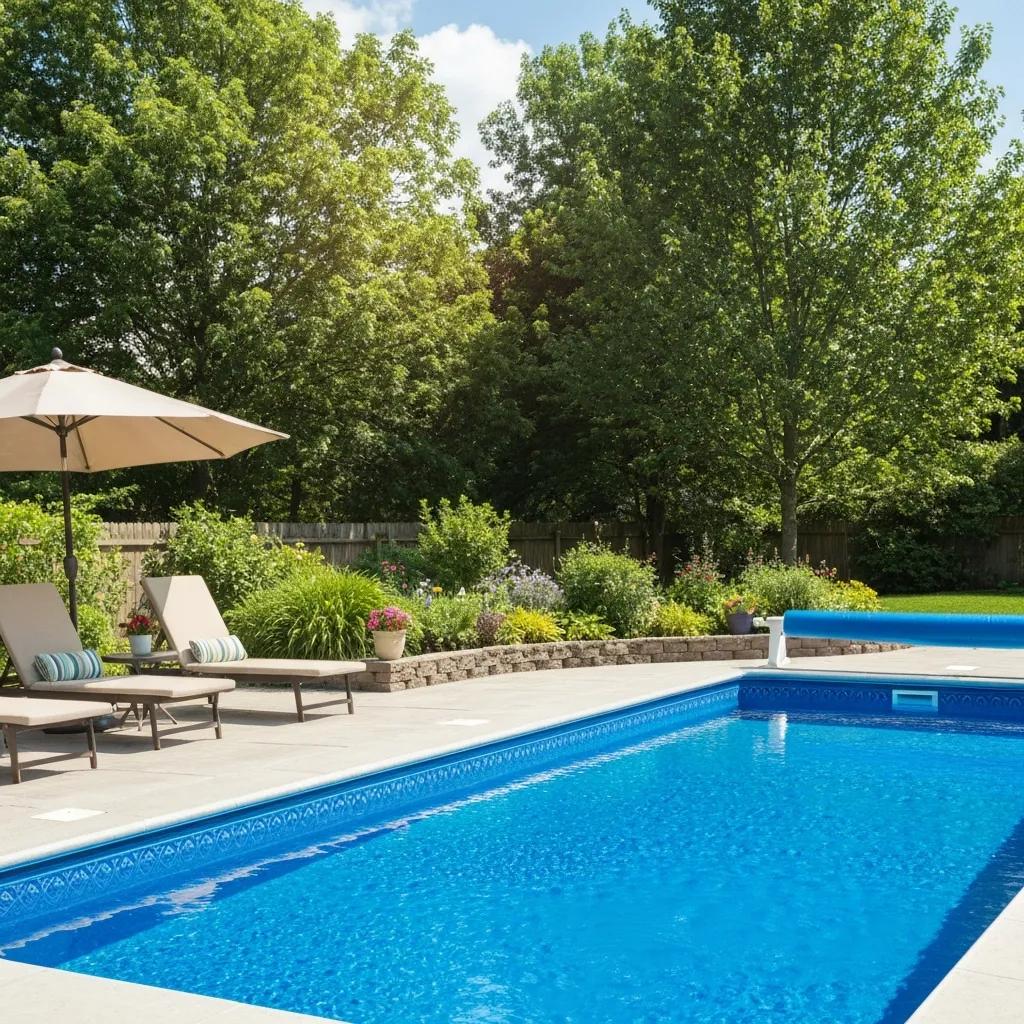
A vinyl inground pool is formed with steel or polymer wall panels and a custom-fit vinyl liner to create a smooth, durable swimming surface. This guide lays out how vinyl pools compare with fiberglass and concrete, explains each installation stage, and shows why many homeowners in Windsor and Essex County choose vinyl for its design flexibility and cost value. We know common concerns — permits, excavation risks, drainage, and liner handling — so this article breaks the process into clear actions, expected timelines, and decision points to help you plan confidently. Santarossa Group, a local contractor serving Windsor and Essex County, provides free site evaluations and quotes to turn these technical steps into an accurate, buildable project plan. Below you’ll find planning checklists, excavation and drainage practices, wall assembly guidance, plumbing and electrical rough‑in advice, liner preparation and vacuuming tips, plus finishing steps like decking and ongoing maintenance. The goal is practical information you can use when choosing a design, setting a budget, or hiring a contractor.
How Do You Plan a Vinyl Pool Installation Project?
Planning starts with the pool’s purpose, a realistic footprint, and how yard orientation and drainage affect long-term performance. Early choices about shape, depth, and features define excavation needs, equipment, and required permits — all of which drive cost and schedule. Good planning reduces surprises during earthworks and helps time plumbing and electrical rough‑ins around inspections. For Windsor and Essex County properties, spotting setback limits, access challenges, and high-water-table areas during planning prevents costly rework at excavation. Santarossa Group offers end-to-end planning: design help, permit support, scheduling, and a free site evaluation and quote to turn your preferences into a compliant, buildable plan.
Use this checklist to cover the essential decisions before you apply for permits or start digging.
-
Decide how you’ll use the pool and choose a size that fits your yard and needs.
-
Check site access, underground utilities, and sun orientation for comfort and circulation.
-
Identify drainage or groundwater risks and schedule a professional site evaluation.
Thorough planning shortens construction time and clarifies budgets. Next, consider how shape and depth affect installation time and site impact — summarized in the table below.
|
Pool Shape / Type |
Typical Depth Range |
Best For |
|
Rectangular |
3.5 ft – 6 ft |
Laps, formal layouts, efficient use of space |
|
Freeform / Kidney |
3 ft – 5.5 ft |
Natural look and landscaping integration |
|
Oval / Roman |
3.5 ft – 6 ft |
Balance of swim area and visual appeal |
|
L-shaped |
3 ft – 6 ft |
Combined shallow play area and deeper swim zone |
This comparison helps you match recreational needs with shape and depth so permits and excavation plans are more accurate.
What Site Selection and Design Factors Should You Consider?
Choose a location that balances sun exposure, privacy, and access for excavation equipment while fitting into existing landscaping. Sun orientation affects comfort and passive warming; nearby trees influence leaf debris and root risk and will help determine skimmer placement and filter locations. Limited access may force smaller machines or more manual work, which raises time and cost. Thinking through these elements during design reduces late changes and sets realistic expectations for schedule and finishes.
If low maintenance is a priority, simpler pool shapes and durable decking often reduce long-term upkeep — decisions that also affect permits and structural choices discussed next.
What Permits and Local Regulations Apply in Windsor and Essex County?
Permits typically cover building, electrical, plumbing, and fencing; the Ontario Building Code and local bylaws set inspection checkpoints for structural and safety items. Contact your municipal building department early to confirm setbacks, barrier rules, and submission requirements to avoid permit delays. Experienced contractors often manage permit applications and coordinate inspections so electrical and plumbing rough-ins are inspected before backfill. Santarossa Group helps homeowners navigate permit timing and inspection scheduling as part of our planning services.
Knowing permit timelines up front helps you line up financing, trades, and seasonal work windows so the project flows from approval to final inspection.
What Are the Essential Steps for Site Preparation and Excavation?
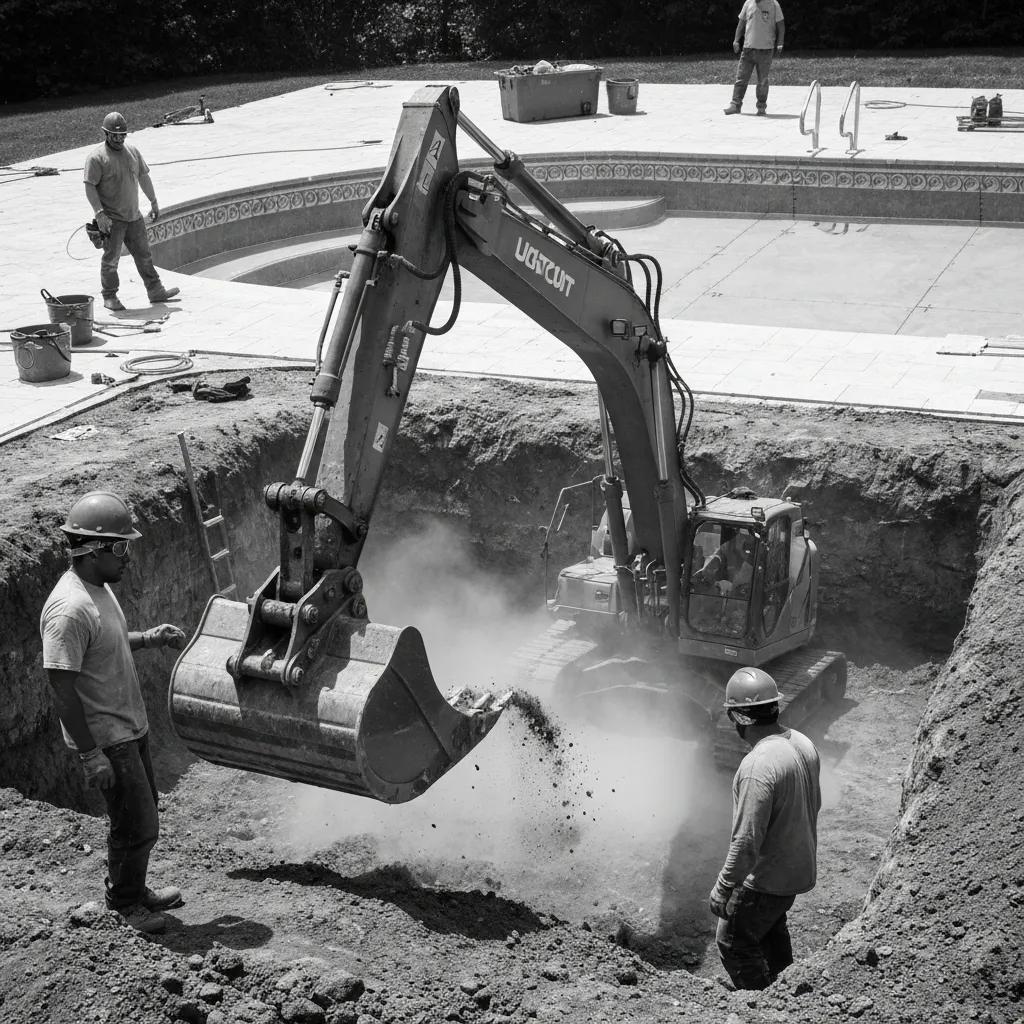
Site prep and excavation establish the pool footprint and determine how surrounding soils and utilities are handled. Accurate marking, staking, and surveying set shape and depth tolerances needed for correct wall assembly. Erosion control and staging areas protect neighbouring properties while temporary dewatering and careful soil staging reduce collapse and liner damage risks. Always coordinate with utility locators before digging to avoid service interruptions and costly repairs.
Common equipment and staging items used on residential excavation jobs include:
-
Survey and staking tools to mark the exact footprint before machine work starts.
-
Excavators and compact loaders sized to site access limits for efficient soil removal.
-
Silt fencing, temporary drains, and staging pads to control erosion and manage spoil on-site.
These steps cut conflicts during wall placement and reduce the chance of rework from unexpected underground conditions. Proper drainage prep is the next vital step to protect the pool for the long term.
How Is the Pool Area Marked and Excavated Professionally?
Professionals translate the design to the ground with measured surveys and physical stakes that account for bead receivers and coping clearances. Excavation moves in stages: topsoil removal, then structural digging to final depth with benches or slopes to keep the sides stable. Contractors monitor elevations using laser levels and string lines so the pool bottom matches the liner profile. A soil management plan covers temporary stockpiling, disposal, and re-use of suitable backfill material.
A disciplined excavation protects nearby structures and creates the accurate base needed for wall assembly and liner installation, leading into drainage and dewatering work described next.
How Do You Ensure Proper Drainage Before Installation?
Good drainage planning maps surface runoff and groundwater, then specifies permanent solutions like perimeter drains, daylighting, or sumps to keep the pool envelope dry. Temporary dewatering (sump pumps or well-point systems) may be needed where groundwater is high to protect trenches and avoid flotation issues after backfill. Proper compaction and filter bedding prevent uneven settlement that can warp walls or stress the liner. Surface grading that diverts roof and lawn runoff away from the pool reduces long-term moisture on backfill.
Solving drainage early reduces future maintenance and structural risk and keeps plumbing and electrical systems serviceable — topics we cover in the next section.
Vinyl Pool Liner Repair and Drainage SystemsA gravel drain collects seepage while geotextile protects the liner from sharp objects in the soil. For liner repairs, patches are applied below the waterline in the excavation where needed. Bureau of reclamation experiences with PVC seams, 1990
How Are Vinyl Pool Walls Assembled and Supported?
Vinyl pool walls are engineered panels that form the structural perimeter. Proper assembly follows a sequence of panel placement, anchoring, and bracing so the wall stays true while liner and equipment are installed. Tight leveling prevents bead-receiver misalignment and reduces wrinkles during vacuuming. Bracing systems — temporary or permanent — transfer soil loads to stable backfill and are coordinated with skimmer and return cutouts to ensure watertight penetrations. Accuracy here ensures the shell safely supports water once filled.
This short procedural overview clarifies sequence and tolerances used during wall assembly.
-
Stage panels flat near the excavation, then erect them in sequence to control alignment.
-
Use laser or spirit levels often to verify plumb and top-of-wall elevation.
-
Install bracing per manufacturer specs and place skimmer/return locations before backfill.
What Is the Process for Panel Placement and Leveling?
Panel placement starts with laying panels on stable ground, then lifting and connecting them in order while checking vertical alignment and ring compression. Anchors secure top and bottom rails and temporary braces hold the wall plumb until the liner and water provide inward support. Acceptable level variance is typically only a few millimetres across a run; contractors confirm this with lasers and shims. Correct leveling prevents bead-channel distortion that can cause wrinkles and premature liner wear.
These alignment checks minimize corrective work later and prepare the wall for accurate skimmer penetrations required by the mechanical system.
How Are Bracing and Skimmer Installations Completed?
Bracing follows manufacturer spacing and load recommendations, often using angled braces or a continuous collar until backfill locks the wall in place. Skimmer cutouts are measured and cut with the wall temporarily braced; skimmers are sealed with gaskets and approved sealants for vinyl systems. Installing skimmers before final backfill keeps plumbing accessible for pressure testing. Properly sealed skimmers protect the liner edge and reduce leak risk where the shell meets mechanical systems.
Coordinating bracing, skimmer installs, and early plumbing connections reduces delays and results in a stable structure ready for equipment hookup.
How Is Plumbing and Electrical Rough-In Completed for Vinyl Pools?
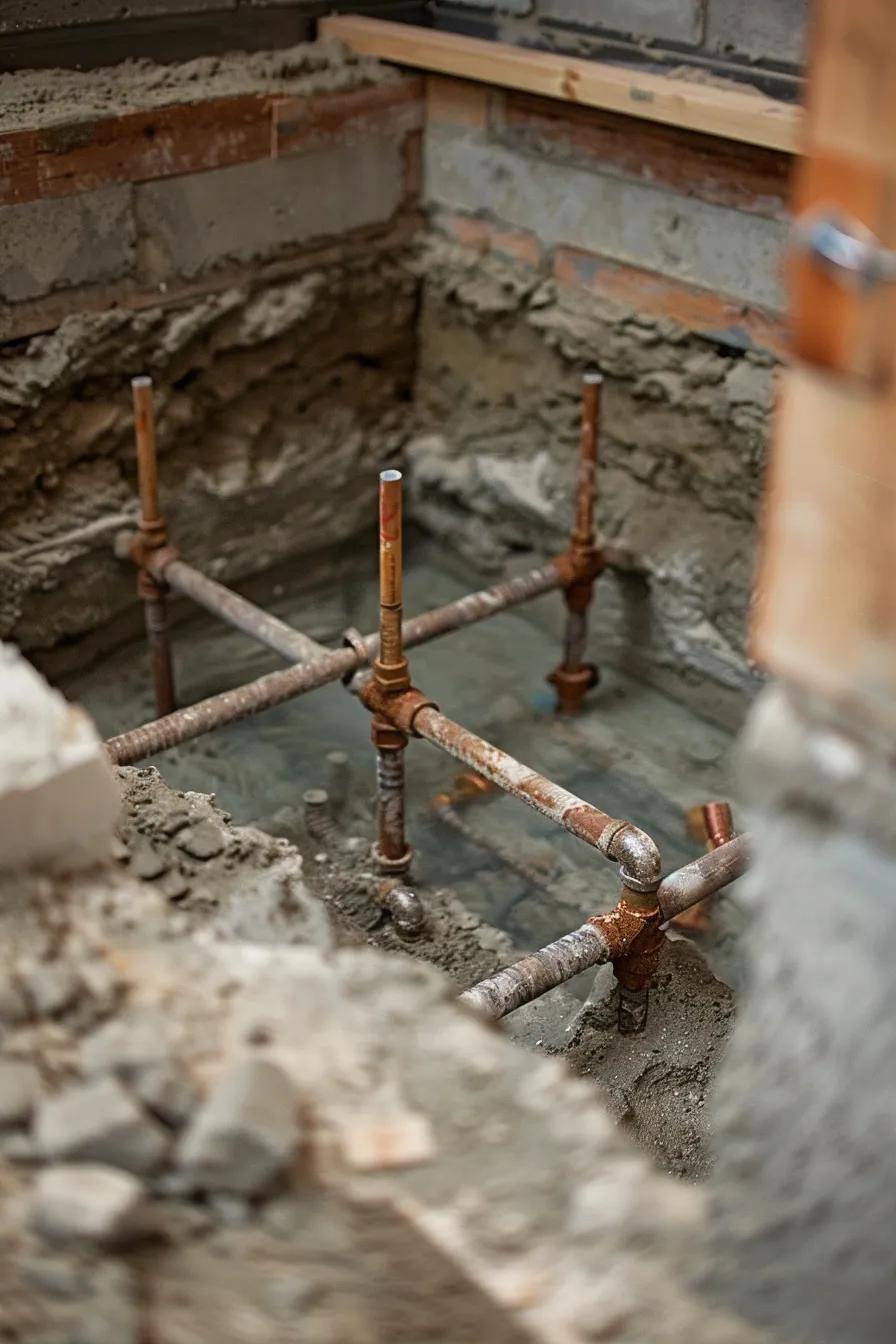
Plumbing and electrical rough-in provide circulation, filtration, optional heating, and lighting. This work requires correct pipe sizing, slopes, and electrical protections to meet code. Filtration equipment usually sits on a concrete pad beside the pool, with plumbing run in sloped trenches to prevent air locks. Electrical runs use conduit and GFCI‑protected circuits with properly rated disconnects for pumps and bonded lighting circuits; inspectors expect these safety measures before backfill. Coordination between plumber, electrician, and pool installer reduces rework and keeps inspections aligned with construction milestones.
Use this checklist to confirm key items during rough-in.
-
Confirm pipe diameters and slopes for skimmer, main drain, and return lines meet hydraulic requirements.
-
Verify concrete pads and equipment locations are set before final trench backfill.
-
Ensure electrical circuits have GFCI protection with accessible disconnects and required conduit runs.
What Are the Steps to Lay Out Plumbing Lines and Connect Filtration?
Start with a plumbing diagram locating skimmers, main drains, returns, and equipment pads. Trenches are cut to proper depth and slope for gravity drainage where possible. Pipes are bedded, glued or solvent‑welded per material, and routed to minimize bends and air pockets. The filtration system is dry‑mounted and connections checked for alignment before permanent gluing or bolting; a pressure test verifies leak-free joints. Doing this work before final electrical hookups helps schedule inspections and confirm final equipment placement.
A clear plumbing layout reduces hydraulic inefficiencies so the filtration system performs as designed once the pool fills.
How Is Electrical Wiring Installed for Pumps and Lighting Safely?
Electrical work follows code for separations, conduit runs, and protective devices: pumps need dedicated circuits with GFCI protection and lockable disconnects, and underwater lighting circuits require bonding and isolated conduits. Wiring is run to inspection standards and left accessible for final hookups after equipment is set; licensed electricians handle conduit routing, box placement, and grounding. Tests include verifying GFCI trip function and confirming motor rotation and control interfaces before commissioning. Proper electrical installation reduces safety risks and supports reliable equipment performance over the pool’s life.
Trade coordination ensures plumbing and electrical integrate cleanly and prepares the site for base prep and liner installation.
Excavation and Drainage for Pool InstallationProvide adequate drainage across the entire area. Where needed, construct drainage ditches to move water to the nearest natural outlet and prevent standing pools. I EXCAVATION
How Do You Prepare the Pool Base and Install the Vinyl Liner?
A smooth, uniform base is critical for liner life and a wrinkle-free finish. Common bedding materials include screened sand, crushed stone, or foam pads that give a stable substrate. Compact the base to manufacturer‑specified depth and uniformity to prevent settlement and punctures. Liner handling involves unrolling, aligning, warming or stretching as required, and seating the bead into the receiver before vacuuming the bead channel to draw the liner tight. Professionals use vacuums and heat methods to remove wrinkles and inspect seams and fittings to ensure secure seals.
These techniques reduce the most common installation problems.
-
Spread and compact bedding material to a uniform depth, checking flatness with lasers or straightedges.
-
Unroll and position the liner, then seat the bead into the receiver around the pool.
-
Use vacuum systems to draw the liner tight and smooth wrinkles before partially filling with water.
What Techniques Create a Smooth Pool Bottom for Liner Installation?
A uniform bedding layer of screened sand or washed stone at the recommended thickness creates a forgiving surface that conforms under vacuum without sharp points. Compact the base in lifts and check flatness with a straightedge or laser to avoid localized stress on the liner. Foam underlayment is an option in some builds to reduce point-load risk and add comfort underfoot. Inspect and feel for debris or stones before positioning the liner.
A well-prepared bottom cuts wrinkle formation during vacuuming and improves liner longevity, leading to a dependable pool surface after commissioning.
How Is the Vinyl Liner Positioned, Secured, and Vacuumed?
Position the liner from the centre out, unrolling gradually while easing fold stresses and aligning the pattern. Seat the bead in the receiver around the perimeter, use light weights or gentle stretching to remove slack, then attach a vacuum to the bead channel to draw the liner tight. The vacuum pulls the liner into place until it seats smoothly with minimal wrinkles. Final checks include skimmer and return seals, seam integrity, and a slow water fill that matches vacuum pressure to stabilize the liner.
Proper vacuuming and bead-set technique minimize trapped air or folds that can shorten liner life or create visible defects.
What Are the Final Steps: Backfilling, Decking, Water Fill, and Maintenance?
Final work protects the pool structure, creates usable outdoor space, and establishes a maintenance routine that preserves water quality and liner life. Backfill in controlled lifts with suitable, well‑compacted material so walls aren’t stressed. Decking choices — poured concrete, pavers, composite decking, or natural stone — affect look, drainage, and maintenance and should match the pool coping and site grading. The initial water fill is gradual with chemical startup and continuous filtration to bring water chemistry into balance. A regular maintenance plan covers cleaning, chemical balancing, and winterization for the local climate. Santarossa Group can include decking, landscaping, and maintenance-package recommendations in your final quote and site evaluation.
Use the decking comparison below to weigh finish options and long-term expectations.
|
Deck Material |
Cost Range |
Durability |
Maintenance |
|
Poured Concrete |
Moderate |
High |
Seal and repair cracks periodically |
|
Interlocking Pavers |
Moderate-High |
High |
Joint maintenance; weed control |
|
Wood / Composite |
Low-Moderate |
Moderate |
Staining/cleaning for wood; composite is lower upkeep |
|
Natural Stone |
High |
Very High |
Occasional sealing; low maintenance |
How Is Backfilling and Pool Decking Completed for Durability and Aesthetics?
Backfill in controlled lifts with compaction focused around bracing points and plumbing penetrations to avoid uneven settlement that could warp walls or stress the liner. Prefer free-draining granular material where possible and sequence work so mechanical access remains available until final completion. Install decking to the coping details with expansion joints and the correct slope for drainage; choose surface treatments that resist slipping and weathering. Integrate landscaping to handle runoff, create privacy, and provide maintenance access to finish the outdoor living space.
A thoughtful backfill and decking plan secures structural integrity and prepares the pool for reliable seasonal use.
What Are the Best Practices for Initial Water Fill and Ongoing Pool Maintenance?
The initial fill is slow and coordinated with vacuum pressure on the liner until water supports the walls uniformly. Technicians run filtration continuously and perform chemical startup to establish sanitizer and pH baselines. During the first 30 days expect daily filtration checks for the first week, regular chemical adjustments, and an early inspection of seals and wiring. Ongoing care includes weekly skimming and brushing, monthly filter checks, seasonal shock treatments, and winterization steps suited to our climate. Consistent maintenance extends liner life and protects your investment through stable water chemistry and well-maintained equipment.
-
First 30 days: Run filtration daily, test and adjust sanitizer and pH multiple times per week, and inspect skimmer seals for leaks.
-
Weekly: Skim, vacuum, brush walls, test chemical levels, and clean or backwash filters as needed.
-
Seasonal: Winterize per manufacturer recommendations and inspect equipment before the off-season.
Following this routine preserves liner condition and equipment performance so your pool stays safe and enjoyable.
We publish this guide to share our experience, demonstrate best practices, and help you decide if a vinyl inground pool is right for your property — and to invite you to request a free site evaluation and quote when you’re ready to move forward.
Frequently Asked Questions
What are the common challenges during vinyl pool installation?
Typical challenges include limited site access, unexpected soil conditions, high groundwater, and meeting local permitting requirements. These issues can extend timelines or require extra measures like dewatering or different equipment. Hiring a contractor who knows local conditions helps anticipate problems and keep the project on track.
How long does the vinyl pool installation process typically take?
Timing depends on size, design complexity, and site conditions. A typical build runs from about 4 to 8 weeks from planning through completion, including permits, excavation, wall assembly, rough‑ins, liner installation, and landscaping. Weather and contractor availability can affect the schedule, so allow some flexibility.
What maintenance is required for a vinyl inground pool?
Routine care includes weekly skimming, vacuuming, and brushing, plus regular chemical tests and adjustments to keep pH and sanitizer balanced. Monthly filter checks and seasonal tasks like shock treatments and winterization are also important. A consistent schedule helps extend liner life and keeps water safe.
Can I install a vinyl pool myself, or should I hire a professional?
While some experienced DIYers attempt vinyl pool installs, we generally recommend hiring professionals. Proper site evaluation, excavation, plumbing, and electrical work are critical to a durable installation. Professionals also navigate permits and inspections to avoid costly mistakes down the line.
What factors influence the cost of vinyl pool installation?
Costs vary with pool size and shape, site conditions, access, and added features like lighting, heating, and decking. Labor rates, permit fees, and any necessary soil or drainage work also affect the budget. Getting multiple quotes and understanding what’s included will help you plan a realistic budget.
What are the benefits of choosing a vinyl pool over other types?
Vinyl pools are often more budget-friendly to install and maintain than concrete, and they offer more shape flexibility than fiberglass shells. The liner gives a smooth, comfortable surface and is relatively easy to clean. For many homeowners, vinyl offers the best balance of cost, appearance, and practical upkeep.
Conclusion
A vinyl inground pool gives Windsor and Essex County homeowners an accessible, flexible, and attractive way to create backyard living space. This guide provides the practical steps you need to plan and oversee an installation from start to finish. Partnering with an experienced local team like Santarossa Group helps streamline permits, inspections, and trades so your project finishes on time and on budget. Ready to get started? Request a free site evaluation and quote to turn your backyard vision into reality.