
Discover What Drives Inground Vinyl Liner Replacement Prices
- Nicholas Menezes
- Dec 1, 2025
- 13 min read
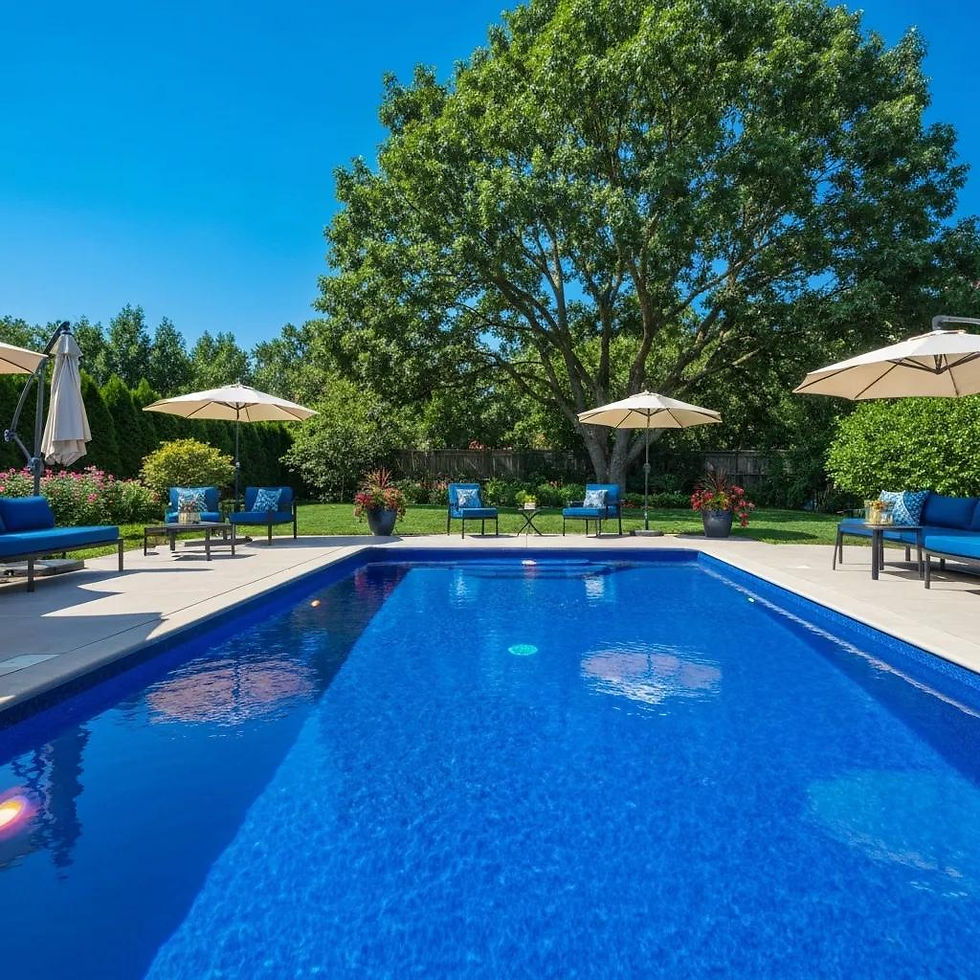
Top Factors That Drive the Cost of Inground Vinyl Liner Replacements — A Windsor Homeowners’ Guide
Replacing an inground vinyl pool liner is a common mid‑life project for pool owners. Knowing the main cost drivers helps you plan and budget with confidence. This guide walks through the variables that most affect liner replacement price—pool size and shape, liner thickness and type, labor and installation complexity, additional repairs, permits, and seasonal timing—so Windsor and Essex County homeowners can make clear choices. We also outline installation steps, warning signs that a liner needs replacing, local permit and seasonal considerations, and 2025 material and design trends that affect price and longevity. If you want a practical next step, Santarossa Group offers a free site evaluation and can provide an itemized quote or a Get a Quote after a site visit. Below we unpack each factor with local context, sample cost ranges, and straightforward advice to help you prioritize repairs and choose the right liner for your backyard.
What Are the Main Factors Influencing Inground Vinyl Liner Replacement Cost?
Several linked factors determine liner replacement cost by changing how much material, fabrication and labor are required. Surface area and shape set the amount of vinyl and whether a custom‑cut liner is needed. Liner thickness and bead type affect material price and longevity. Labor tasks—draining, removal, substrate repairs, bead track work, installation and refilling—add hours and scheduling considerations. Additional repairs like vermiculite floor patches or coping fixes increase the total, and permits or seasonal demand in Windsor and Essex County can add fees or timing constraints. During a free site evaluation, Santarossa Group reviews permits and seasonal impacts and explains permit handling options in a detailed proposal. The list below highlights the highest‑impact cost drivers and how each typically moves the budget.
This section lists the primary cost drivers and briefly explains their cost influence:
Pool size and shape: Bigger or irregular pools need more material and longer fabrication time.
Liner thickness and type: Thicker or specialty liners cost more up front but last longer.
Labor and installation complexity: Floor repairs, bead track work and complex features add hours.
Additional repairs and disposal: Floor remediation, coping repairs and disposal fees push totals up.
Permits and seasonal timing: Permit rules and peak‑season demand can add admin time or scheduling costs.
Summary: These items interact to form the final price. Our free site evaluation inspects pool size, substrate condition and permit needs so we can provide an itemized estimate showing which factors affect your quote.
Intro to cost ranges table: The table below gives representative Windsor/Essex County ranges for each major factor to help with budget planning.
Factor | Typical Range (CAD) | Notes |
Pool Size (standard rectangular 12x24) | 1,200 – 2,500 | Larger or deeper pools increase material and fabrication costs |
Liner Type (20-mil overlap to 28-mil beaded) | 800 – 2,200 | Thicker and beaded/unibead liners cost more but last longer |
Labor (standard install) | 1,000 – 2,500 | Includes draining, removal, installation; varies with repairs |
Additional Repairs (floor, bead track, coping) | 300 – 4,000+ | Structural repairs drive large cost increases |
Permits & Disposal | 0 – 800 | Depends on municipal permit rules and disposal fees |
This table shows where budgets usually concentrate and why a tailored inspection matters; next we explain how pool size and shape specifically affect material and labor needs.
How Does Pool Size and Shape Impact Replacement Prices?

Size and shape set surface area, which controls how much vinyl is needed and whether a stock liner fits or a custom pattern is required. Rectangular pools with uniform depth use material predictably and need fewer seams. Freeform pools, built‑in steps, benches and variable depths require more precise patterns and extra seams, which increases material waste and fabrication time. Surface area also affects shipping, handling and the crew size needed for a smooth, wrinkle‑free fit—each factor raises labor hours. Santarossa Group reviews pool geometry and built‑ins during the free site evaluation to estimate material needs and whether a custom liner is needed, so you can understand the size‑related portion of your quote and balance cost against design preferences.
What Role Does Vinyl Liner Thickness and Material Type Play in Cost?

Liner thickness (measured in mils) and installation style (overlap, beaded, unibead) trade off upfront cost against long‑term durability. Thinner 20‑mil liners cost less but usually have shorter lifespans. Heavier 27‑mil or premium compounds cost more initially but resist punctures, UV fading and chemical wear—so they can reduce replacement frequency. Beaded and unibead liners require proper coping or bead track work that may add labor, while overlap liners are simpler to fit but need skirting. Material choice also affects pattern and custom printing options—premium prints add cost but boost the finished look. We discuss mil selection and installation method during the site evaluation to match durability goals to your budget and Windsor’s climate conditions.
How Do Labor and Installation Complexity Affect Pool Liner Replacement Costs?
Labor and complexity translate straight into time, crew size and whether specialized trades are needed. Typical tasks include draining, liner removal, substrate inspection, bead‑track prep, floor/wall repairs, liner installation and a controlled refill with chemistry checks. Projects that require major vermiculite floor work, bead‑track replacement, coping repairs or custom features bring in extra trades and hours, increasing cost and lead times. Santarossa Group’s quotes list included labor items and note common exceptions (major floor or structural work) so homeowners know what’s bundled and what may be billed separately. The checklist below shows standard installation steps and where hidden costs typically appear.
Intro to steps list: The following numbered list explains standard installation workflow and highlights complexity points.
Draining the pool: Lowering water safely and managing discharge to meet local rules.
Removing the old liner: Cutting out and hauling away material for disposal or recycling when possible.
Substrate inspection and prep: Checking floor and walls for vermiculite or structural damage and patching as required.
Bead track and coping prep: Repairing or replacing tracks so the liner seats securely.
Liner installation and seaming: Positioning, welding seams and removing wrinkles for a smooth finish.
Refilling and balancing: Controlled refill with initial chemistry checks before handoff.
Summary: Each step can reveal extra repairs that extend labor time. An itemized proposal limits surprises by showing what’s included in base labor.
Intro to labor EAV table: Below is a breakdown of common installation steps, typical time or complexity, and how they influence labor hours and cost.
Installation Step | Time/Complexity | Typical Labor Hours / Cost Impact |
Draining | Low | 2–6 hours; modest cost for water handling |
Old Liner Removal | Low–Medium | 2–8 hours; increases with liner adhesion |
Substrate Prep & Floor Repair | Medium–High | 4–24+ hours; major cost driver if vermiculite removed |
Bead Track/Coping Work | Medium | 2–12 hours; can add contractor or trades cost |
Liner Placement & Seaming | Medium | 4–12 hours; crew size affects time and cost |
Refilling & Balance | Low | 6–24 hours for controlled refill; minor labor cost |
This table shows substrate and structural repairs often dominate labor costs, and why transparent line‑item quotes help homeowners budget accurately. Next we cover how add‑ons affect totals.
What Is Included in the Labor and Installation Process?
Most professional liner replacement quotes cover the core tasks from draining to refilling, but confirm inclusions in writing to avoid surprises. Standard inclusions are draining, liner removal, a basic substrate inspection, liner placement and seaming, plus a controlled refill with initial chemistry balancing. Items frequently billed separately include extensive floor repairs (vermiculite removal/replacement), bead track replacement, coping resets or structural concrete fixes, and any electrical or equipment relocation. Santarossa Group lists included labor components and common exceptions in a detailed proposal after the free site evaluation so homeowners know what’s bundled and what’s optional. Clear inclusions make it easier to compare quotes on an apples‑to‑apples basis.
How Do Additional Repairs and Features Influence Total Cost?
Additional repairs and custom features are the most variable part of the cost and can turn a simple liner swap into a larger renovation. Typical add‑ons include vermiculite floor repair or full replacement, bead track fabrication and replacement, coping or deck repair, custom steps or benches, light niches and hazardous‑material abatement if discovered during removal. Each add‑on has its own material and labor profile—floor repairs often need multiple trades and drying time, while bead track work is specialized—so these items can multiply the baseline price. Require inspection‑driven estimates; Santarossa Group flags likely add‑ons during the free site evaluation and notes probable repairs in the detailed proposal for cost transparency and scheduling clarity.
When Should Homeowners Consider Replacing Their Vinyl Pool Liner?
Plan a replacement when visual, functional or performance issues show that continued patching isn’t practical or economical. Common triggers are persistent wrinkles that trap debris and stress plumbing, visible tears or seam failures, unexplained rapid water loss after chemistry checks, severe fading or brittle material, and repeated patches that add up close to replacement cost. Lifespan and local climate affect how quickly liners wear; knowing end‑of‑life signals helps you budget ahead and avoid mid‑season failures. The list below highlights the most actionable signs that replacement is the sensible choice.
Intro to signs list: The following bulleted list highlights visible and operational indicators that a liner likely needs replacement.
Persistent wrinkles or slipping that create safety or aesthetic problems.
Frequent or large leaks that continue after patching and chemistry checks.
Tears, punctures or seam failures that compromise containment.
Severe fading, pattern breakdown or material brittleness.
Repeated short‑term fixes that approach the cost of a full replacement.
Summary: See multiple signs above? Schedule a professional inspection. Santarossa Group performs diagnostic checks during the free site evaluation to advise whether repair or replacement makes the most sense.
What Are the Common Signs Indicating a Pool Liner Needs Replacement?
Several visible and operational signs point to liner failure rather than a simple patch. Persistent wrinkles that won’t smooth can lead to debris buildup and seam stress. Cracks, rips or seam separations are clear failure points that usually worsen. Rapid unexplained water loss after ruling out chemistry or equipment issues suggests liner or substrate problems. Extensive UV fading, chalking or loss of pattern clarity often means the vinyl has become brittle. When these signs coincide, or when patch costs add up, plan for replacement to avoid larger structural or equipment damage.
How Long Do Vinyl Pool Liners Typically Last in Windsor and Essex County?
In Windsor and Essex County, modern vinyl liners generally last 10–15 years with proper maintenance and balanced water chemistry, though factors can shorten or extend this range. Thicker liners, careful chemistry control, protection from sharp objects and moderate seasonal exposure extend life. Harsh winters, poor chemical balance, frequent openings/closures and heavy use accelerate wear. Local UV exposure and freeze‑thaw cycles should factor into material choice and installation quality to maximize longevity. Regular inspections and strict chemistry management can push a liner toward the higher end of its lifespan and reduce premature replacements.
How Do Regional and Seasonal Factors Affect Vinyl Liner Replacement Pricing in Windsor?
Regional labor availability, municipal permit rules and seasonal demand cycles in Windsor and Essex County affect both price and scheduling. Local labor rates reflect the regional market and trade availability. Permit requirements add administrative time and fees when structural work is involved. Peak spring to early summer is high demand, which increases lead times and can raise prices; off‑season scheduling often offers better availability and sometimes lower rates but requires planning around weather. Santarossa Group reviews permit needs and seasonal timing during the free site evaluation and includes these factors in an itemized proposal to help homeowners pick the best schedule for their project.
Intro to local labor and permit note: Below is a practical overview of how regional permit and labor considerations influence costs.
What Are the Typical Labor Rates and Permit Requirements in Essex County?
Labor rates in Essex County vary by crew specialization and job complexity; projects needing multiple trades or specialized bead‑track and coping work command higher rates. Permit requirements depend on municipal codes and whether work involves structural, electrical or deck modifications—some municipalities require permits for major repairs while simple liner swaps may not. Confirm permit needs early because permit timelines and fees affect cost and scheduling. Santarossa Group confirms permits during the free site evaluation and offers permit handling options in proposals to ensure compliance and avoid delays.
How Does Seasonal Demand Influence Replacement Costs?
Seasonal demand creates predictable pricing and scheduling patterns in Windsor. Spring and early summer are peak season—contractors book up quickly and may charge more to manage volume—while late fall and winter often offer more flexibility and lower rates. Scheduling in shoulder or off‑peak months can reduce cost and shorten lead times, but installers must plan for weather protection and storage if work overlaps freezing conditions. Homeowners who schedule off‑peak often avoid peak premiums and secure preferred timing; Santarossa Group reviews these trade‑offs during the site evaluation to optimize cost and turnaround.
What Are the Latest 2025 Trends in Vinyl Pool Liner Designs and Materials?
For 2025, trends favor natural stone and darker hues, mosaic tile effects, and higher‑performance compound blends that improve UV and chemical resistance while adding visual depth. Improved printing delivers realistic tile or stone looks that boost backyard value, though premium patterns raise material cost and sometimes lead time. Material advances focus on compound formulations that increase tensile strength and UV stability, which reduces repair frequency and can justify higher upfront cost through lifecycle savings. The short list below highlights the most visible design and material trends homeowners will see this year.
Intro to patterns list: These trending patterns influence aesthetic appeal and project cost in 2025.
Natural stone and marble finishes that mimic upscale masonry without heavy construction.
Mosaic and tile‑effect prints that give a tile look without grout work.
Darker, deeper hues that enhance perceived depth and suit contemporary designs.
Custom printed or branded liners for a unique backyard statement (with added fabrication cost).
Summary: Premium patterns and advanced materials increase initial cost but often improve long‑term satisfaction and reduce lifecycle maintenance; the EAV table below compares durability and cost factors for common 2025 options.
Intro to trends EAV table: The table compares popular 2025 liner patterns and materials on durability, cost, and visual effect to help homeowners decide which options justify premium pricing.
Pattern / Material | Durability | Cost / Visual Effect |
Natural stone print | Medium–High | Moderate–High; realistic upscale look |
Mosaic/tile effect | Medium | Moderate; tile appearance without grout work |
Dark solid colors | Medium | Low–Moderate; modern aesthetic, hides minor staining |
Premium UV-resistant compounds | High | Higher material cost; longer lifecycle and fewer repairs |
This comparison shows premium materials raise upfront cost but can lower mid‑term service expenses, so homeowners should weigh appearance against lifecycle value when choosing a liner.
Which Liner Patterns and Colors Are Most Popular in 2025?
Demand in 2025 favors natural stone and mosaic patterns that mimic higher‑cost finishes without major construction. Dark blues and deep slate tones are popular for contemporary designs because they enhance perceived depth and blend with modern decking. Mosaic prints remain common at steps and shallow entries to emulate tile without the upkeep. Custom printed liners let homeowners personalize their pool but add lead time and cost—request pattern samples and photos to be sure the premium fits your vision.
How Are New Material Technologies Enhancing Liner Durability and Installation?
Material improvements target tear resistance, UV stability and chemical resilience, reducing maintenance and replacement frequency. Manufacturing advances produce more consistent mil ratings and better seam‑welding techniques, which speeds installations and reduces fit issues. Some innovations lessen long‑term substrate adhesion, simplifying removal and lowering disposal complexity. Those gains translate into lifecycle savings—higher upfront material costs can pay back through fewer repairs and longer intervals between replacements.
Why Choose Santarossa Group for Your Inground Vinyl Liner Replacement in Windsor?
Santarossa Group is a local Windsor and Essex County contractor offering end‑to‑end inground pool services, including vinyl liner replacements. We focus on local code knowledge, clear, itemized proposals and personal service. Our free site evaluations measure pool geometry, check substrate condition and confirm permit needs so we can deliver a detailed proposal that explains exactly what’s included. We follow Essex County zoning and building codes, prioritize durability and design choices that meet your goals, and share testimonials and project photos so you can see our work. Request a free site evaluation or Get a Quote to receive a tailored, transparent estimate that fits local regulations and seasonal timing.
Intro to quality and transparency list: Below is a short list of how Santarossa Group emphasizes clear pricing and end‑to‑end service.
Free site evaluation to inspect pool condition, review liner options and identify permit needs.
Detailed, itemized proposals that spell out included labor, likely add‑ons and permit handling.
End‑to‑end service from evaluation through installation and final handoff with water balancing.
Summary: These service elements reduce surprises, clarify responsibilities and align the replacement schedule with homeowner priorities and local requirements.
How Does Santarossa Group Ensure Quality and Transparency in Pricing?
Santarossa Group pairs local code knowledge with a full‑service approach that starts with a free site evaluation and ends with an itemized proposal. The proposal lists included labor, expected repairs, permit responsibilities and optional upgrades so you can compare line items instead of lump sums. Our local experience with Essex County codes helps avoid permit delays and unexpected costs, and our focus on durability and design helps you choose materials that match both appearance and lifecycle expectations. This transparent process helps you budget accurately and schedule replacements during the best seasonal window.
What Do Local Customers Say About Their Liner Replacement Experience?
Our website and project gallery include local testimonials and before‑and‑after photos you can review to evaluate workmanship and homeowner satisfaction. These real examples show completed work across Windsor and Essex County and help prospective customers understand expected finishes, timelines and communication. We encourage you to review testimonials and project images before scheduling a free site evaluation or requesting a Get A Quote.
Frequently Asked Questions
What is the average lifespan of a vinyl pool liner in Windsor?
Vinyl pool liners in Windsor typically last 10–15 years with proper maintenance and balanced water chemistry. Thicker liners and careful chemistry control extend life, while harsh winters and strong UV exposure can shorten it. Regular inspections and good water care help you get the most from your liner.
Are there any eco-friendly options for vinyl pool liners?
Yes. Some manufacturers offer liners made with more sustainable processes, reduced harmful chemicals and recyclable materials. Choosing a more durable liner also reduces replacement frequency and waste. Ask about eco‑friendly products during your site evaluation to match environmental goals with available options.
How can homeowners prepare for a vinyl liner replacement?
Clear the pool area of furniture, toys and debris and make sure crew access is unobstructed. Note any current liner issues to discuss with your contractor and have an idea of desired liner style and features to speed decisions during the site evaluation.
What should I expect during the site evaluation process?
We’ll measure the pool’s size and shape, inspect the substrate, and discuss liner options and likely repairs. We’ll also review local permit needs and timing considerations. The goal is a detailed, itemized proposal tailored to your pool’s condition and your budget.
Can I install a vinyl liner myself, or should I hire a professional?
While DIY is possible for some skilled homeowners, professional installation is recommended. Pros have the tools and experience to ensure a wrinkle‑free fit, assess substrate issues and handle repairs. Hiring an expert reduces the risk of mistakes and improves longevity and appearance.
What are the benefits of choosing a thicker vinyl liner?
A thicker liner (for example, 27‑mil) offers better resistance to punctures, UV fading and chemical wear, which usually extends lifespan and can offset higher upfront cost. Thicker liners can also provide slightly better insulation and comfort. Balance these benefits against budget and long‑term maintenance goals.
How do I maintain my vinyl pool liner after installation?
Maintain your liner with regular cleaning using a soft brush, keep water chemistry balanced, and address any tears or wrinkles promptly. Avoid harsh chemicals or sharp objects in the pool. Consistent upkeep significantly extends liner life and keeps your pool looking its best.
Conclusion
Knowing the main factors that affect inground vinyl liner replacement costs helps Windsor homeowners make smarter decisions about their pool investments. By weighing pool size, liner thickness and labor complexity, you can budget for a replacement that meets your needs. For tailored advice and a transparent quote, contact Santarossa Group for a free site evaluation. Invest in your backyard oasis and enjoy a well‑maintained pool for years to come.


Comments