How to Pick the Right Local Home Addition Contractor in Windsor & Essex County — A Practical Guide
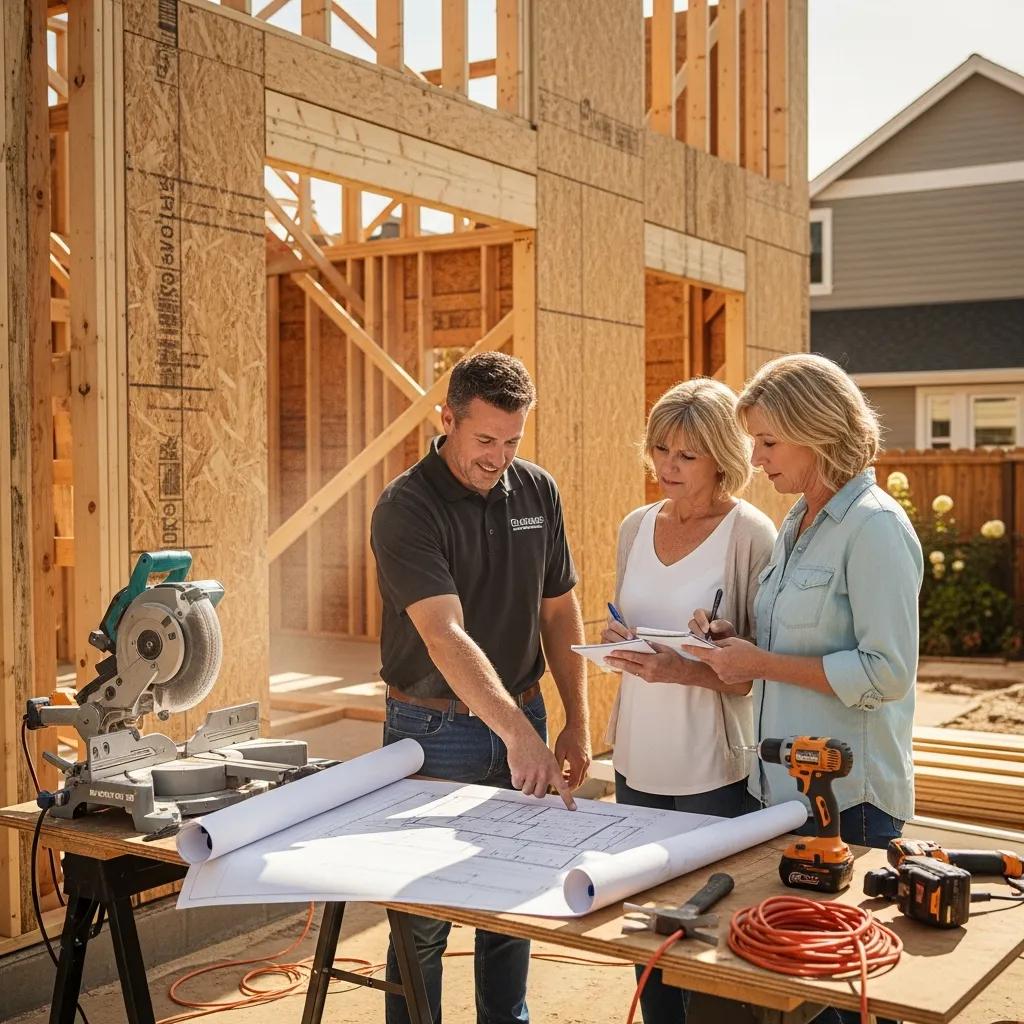
Choosing a reliable home addition contractor matters. The right team keeps work on schedule, follows local rules, and protects your investment. This guide walks you through what to look for when hiring locally in Windsor and Essex County — from verifying credentials to comparing quotes. We’ll highlight the practical steps homeowners often miss, common budget pitfalls, and why local experience makes a difference. Read on for clear, actionable advice and a look at why Santarossa Group is a trusted local option.
Why choosing the right home addition contractor matters
Picking the right contractor affects your timeline, budget, and final result. A competent team builds safely, follows codes, and communicates clearly so you don’t get surprised by delays or extra costs. Choosing poorly can mean rework, damaged relationships, and stress — so it’s worth taking the time to vet candidates properly.
What hiring a licensed, insured contractor actually gives you
Working with a licensed and insured contractor gives you practical protections. Licensing signals that the contractor understands local building rules and permit requirements. Insurance protects you and the crew if something goes wrong on site. Together, these reduce your legal and financial risk and make the project easier to manage.
Licensing is primarily about compliance and consumer protection — not a guaranteed quality stamp, as research into residential contractor licensing explains.
Residential Contractor Licensing & Quality EvaluationThe licensing debate often asks whether licenses improve construction quality. Existing studies suggest licensing isn’t a simple quality fix. The larger issue is that licensing is designed for compliance and protection, and there’s limited public information showing how well licensing programs meet those goals. Better transparency from licensing authorities would help clarify licensing’s purpose and improve oversight and regulations.The Purposes and Evaluation Methods for State Residential General Contractor Licensing, 2005
How local knowledge helps your project run smoother
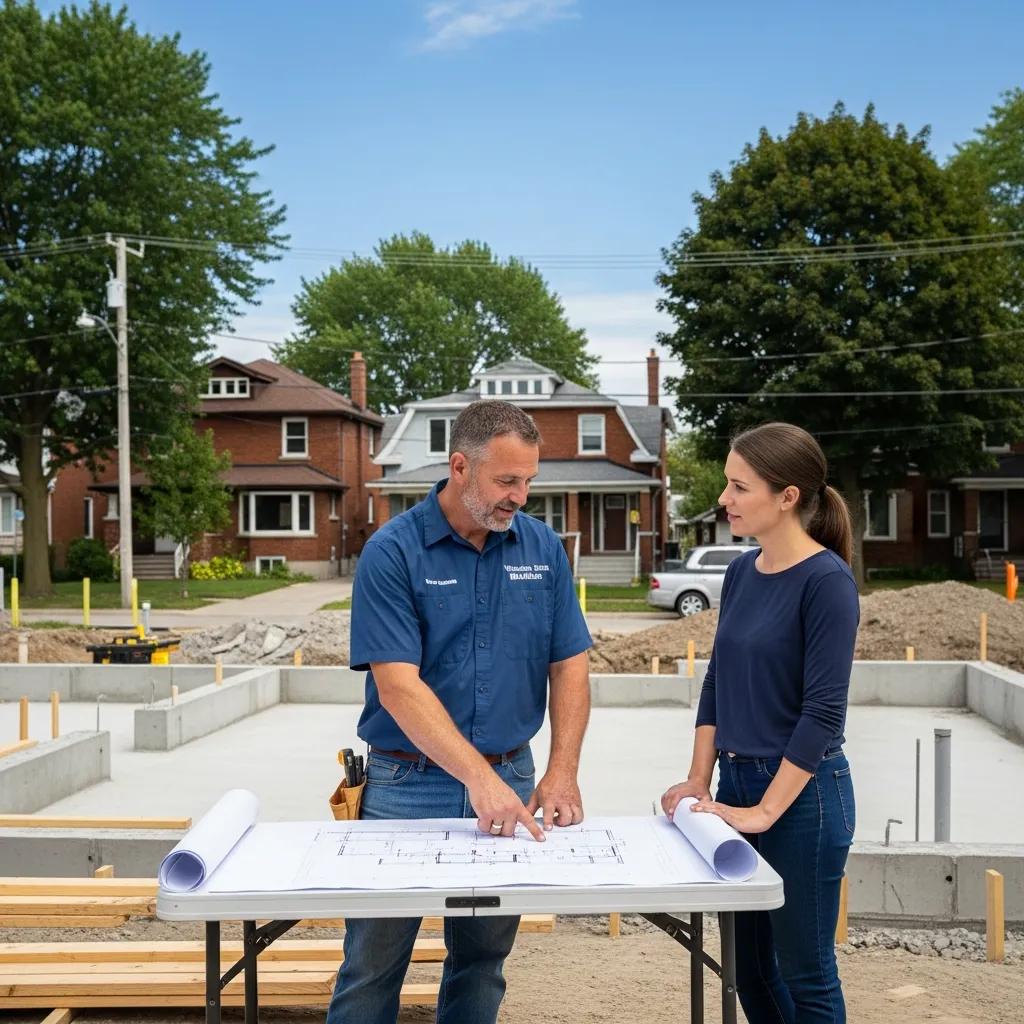
A contractor who works in Windsor and Essex County knows local zoning rules, permitting timelines, and typical site challenges here. That experience speeds approvals, avoids costly missteps, and helps get you competitive pricing through established supplier relationships. Local teams also understand regional weather impacts and building practices — practical details that matter on a renovation site.
What criteria should guide your contractor choice?
Look for a mix of credentials, hands‑on experience, and clear communication. Key items to check include valid licensing and insurance, a track record with home additions, client references, and how transparently the contractor shares timelines and costs.
A structured checklist helps you compare candidates objectively — a common recommendation in project management literature.
Contractor Selection Criteria & Evaluation ProcessIn practice, selection teams collect standard information from contractor offices and score candidates on relevant criteria before making shortlists — a method used to speed up decision-making on fast-track projects.Criteria for contractor selection, Z Hatush, 1997
How to confirm licensing, insurance and relevant experience
Start by checking licenses with the Ontario Ministry of Government and Consumer Services or the correct provincial authority. Ask the contractor for insurance certificates and confirm coverage. Review their project portfolio for examples similar to your addition, and ask specific questions about the challenges they faced and how they solved them. This gives you a realistic sense of their fit for your job.
Why reputation, references and honest communication matter
Reputation tells you how a contractor treats clients and handles problems. Read online reviews and request references for recent projects. During conversations, notice whether they answer directly, share timelines and costs clearly, and admit foreseeable risks. Good communication reduces surprises and builds trust through the job.
What step-by-step process should you use to vet builders?
Follow a straightforward vetting process: research contractors online, collect referrals from people you trust, request written quotes, and interview a short list. Use the same checklist with each candidate so you can compare apples to apples.
A multi-criteria evaluation — weighing practical items like cost, schedule, and local experience — is a reliable way to pick the right contractor for complex jobs.
Multi-Criteria Approach to Contractor SelectionMulti-criteria methods weigh several factors — such as past performance, technical skill, and schedule reliability — to select a contractor when projects are complex and stakes are high.A multi‐criteria approach to contractor selection, IM Mahdi, 1992
How to do initial research and gather solid referrals
Use local directories, review sites, and neighbourhood recommendations to build a list of contractors. Ask friends, family or neighbours about recent projects and whether they’d hire the same team again. Shortlist contractors who have done similar additions in your area and who respond promptly and clearly to your initial outreach.
Smart questions to ask in contractor interviews

In interviews, ask about their estimated timeline, payment schedule, warranty terms, and how they handle unexpected issues. Request a sample contract and ask for references you can call. The best contractors explain trade-offs, show past work, and offer realistic timelines rather than overpromising.
How do costs and timelines in Windsor & Essex County influence your choice?
Knowing local costs and realistic timelines helps you set a workable budget and keep the project on track. Estimates depend on many factors, so expect range-based quotes until you finalize plans.
What drives local home addition estimates?
Price depends on the size and complexity of the addition, the materials you choose, site conditions, and labour. A kitchen or multi-room addition will cost more than a single-bath expansion because of plumbing, electrical and finish work. Discuss material options and phasing with your contractor to find the right balance of cost and value.
How to read quotes and understand timelines
A detailed quote should list scope, materials, allowances, permits, and timelines. Look for transparency: items left vague are often where change orders appear. Ask for milestone dates and who is responsible for permits and inspections so you know where potential delays could happen.
Why consider Santarossa Group for your local home addition?
Santarossa Group is a Windsor and Essex County builder focused on home additions and renovations. We combine local knowledge with hands-on craftsmanship and practical project management to keep projects predictable and on budget.
What local insight and full-service support do we provide?
We manage the project from initial site review through design, permitting and construction. Our familiarity with local permitting paths and building practices helps prevent common delays. That end-to-end approach lets you focus on the design and outcomes while we handle the details.
How our craftsmanship and custom design work for you
We prioritize durable construction and thoughtful finishes. Our team collaborates with homeowners to translate ideas into practical designs that fit the budget and lifestyle. The result is an addition that looks great and stands the test of time.
Questions to ask before signing with a home addition contractor
Before you commit, get clarity on the contract, schedule, payments and who will handle permits and inspections. A clear, written agreement protects both parties and sets expectations for changes and warranties.
Which contract items and permit responsibilities should you confirm?
Confirm the payment schedule, a clear scope of work, who pulls permits, and how unexpected work is handled. Having these items spelled out reduces confusion and keeps the project moving.
Using a checklist to make an informed hire
A contractor checklist keeps your evaluation consistent. Include items like licensing, insurance, relevant experience, references, communication style, and warranty terms. Use it to compare bids and pick the team that best matches your priorities.
|
Criteria |
Description |
Importance |
|
Licensing |
Confirm the contractor holds required licences |
Shows compliance with local regulations |
|
Insurance |
Verify the contractor carries adequate insurance |
Protects you from on-site liabilities |
|
Experience |
Review experience specifically with home additions |
Indicates their ability to handle your scope |
Frequently Asked Questions
What should I consider when setting a budget for my home addition project?
Factor in the size and complexity of the work, chosen materials, labour, and permit or inspection fees. It’s smart to set aside a contingency — typically 10–20% — for unexpected costs. Talk openly about budget with your contractor so they can suggest practical ways to meet your goals.
How can I ensure my home addition project stays on schedule?
Agree on a clear timeline with milestone dates, maintain regular communication, and make timely decisions on selections. Ensuring permits are applied for early and having a single point of contact on the contractor’s side helps reduce delays.
What are common challenges during home additions and how do I plan for them?
Common issues include weather delays, permit timing, hidden structural problems, and supply or subcontractor scheduling conflicts. Thorough site inspections, realistic timelines, and contingency planning reduce the impact of these challenges.
How do I know if a contractor is reputable?
Check online reviews and ask for references from recent clients. Ask to see past projects similar to yours and confirm licences and insurance. A reputable contractor will welcome questions and share clear, written documentation.
What is the typical timeline for a home addition project?
Timelines vary by scope. Small additions can take weeks to a few months; larger additions can take several months. A detailed project plan with phases for design, permitting, construction and inspections gives the best expectation of duration.
What role does communication play in a successful home addition?
Communication is vital. Regular updates, clear points of contact, and prompt decisions keep work moving and avoid misunderstandings. Contractors who keep homeowners informed reduce stress and improve outcomes.
Conclusion
Finding the right home addition contractor in Windsor and Essex County starts with clear priorities: verified credentials, relevant experience, and open communication. Use a consistent checklist, compare detailed quotes, and choose a local team that understands the process. If you’d like help or a consultation, Santarossa Group is ready to discuss your vision and guide you from plan to completion.