Home additions that work: costs, benefits and design ideas
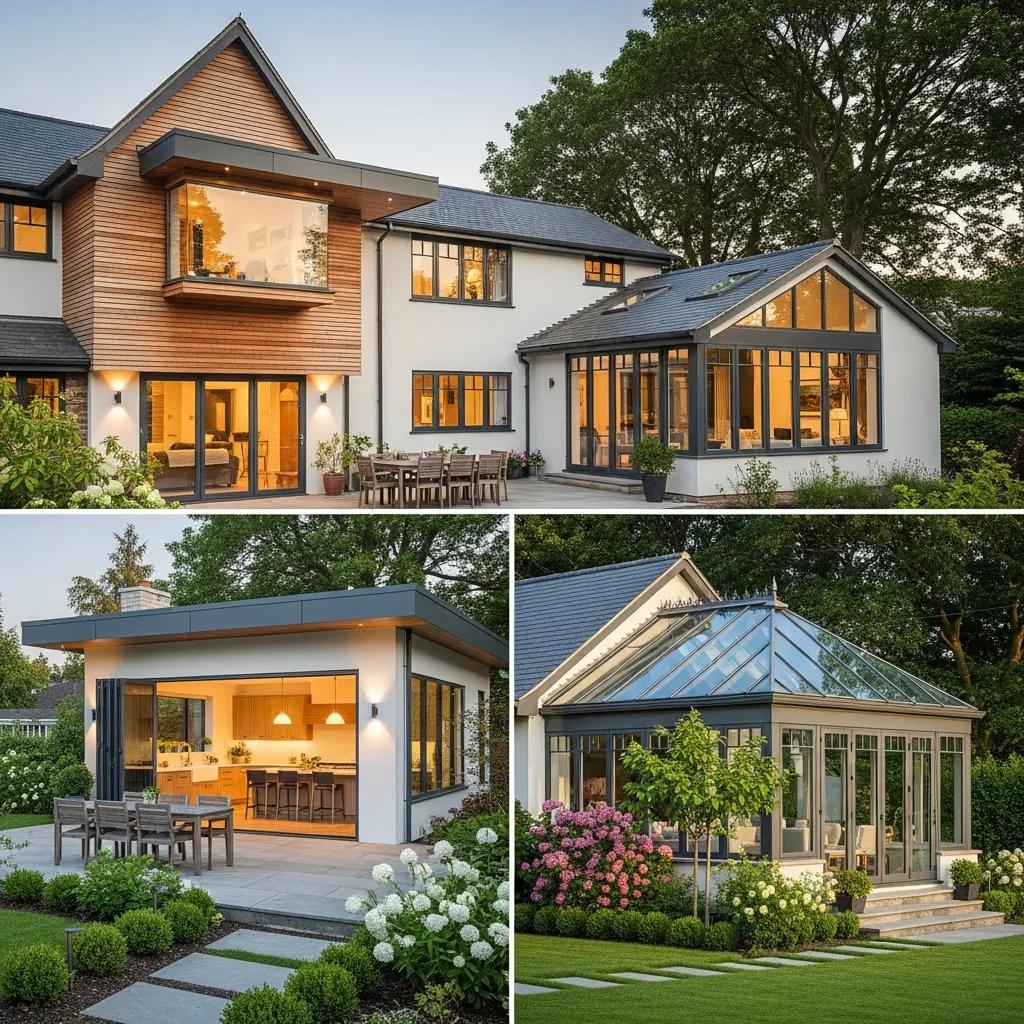
Home additions are one of the smartest ways to expand how you live — and add measurable value to your property. Whether you need more room for a growing family, a brighter kitchen for gatherings, or an income-ready accessory unit, knowing the common addition types, costs and design choices makes planning easier. This guide breaks down popular additions, typical budgets and practical design ideas so you can choose what fits your home and goals. From kitchen extensions to garage conversions, we cover the essentials so you can move forward with confidence.
What are the most popular types of home additions in Windsor and Essex County?
Homeowners across Windsor and Essex County favor additions that boost everyday comfort and long-term resale value. These projects commonly increase usable square footage while improving flow and curb appeal. The most sought-after options include:
-
Second story additions: Add substantial living space without expanding your lot — ideal for more bedrooms, bathrooms or a dedicated workspace.
-
Kitchen extensions: Open up the heart of the home for better storage, seating and entertaining — often combined with modern layout updates.
-
Sunroom additions: Bring in daylight and a stronger connection to your yard; great for casual living and indoor plants.
-
Garage conversions: Turn underused garage space into a home office, guest suite or accessory dwelling unit (ADU).
-
Basement finishing: Convert an unfinished basement into a family room, home theater or extra bedrooms to maximize value.
Each option serves different needs and budgets, so consider how you use your home and what will deliver the best return for your lifestyle.
How do second story additions increase living space and value?
Building up is a practical way to gain square footage without changing your yard. A well-designed second storey can add bedrooms, bathrooms or a private office while improving overall flow and curb appeal. That extra usable space typically raises market value — especially when the addition matches the home’s style and finishes. We recommend early structural and foundation reviews so you know what the existing home can support and avoid surprises during construction.
What are the benefits of kitchen extensions and design ideas?
Kitchen extensions make daily life easier and entertaining more enjoyable. Benefits include more storage, better workflow and room for features like islands, butler pantries or built-in seating. Design-wise, aim to maximize natural light with larger windows or skylights and create a smooth indoor-outdoor connection if you have a deck or patio. Small layout changes — shifting appliances or opening a wall — often deliver outsized improvements in how the space performs.
How can sunroom additions enhance natural light and year-round enjoyment?
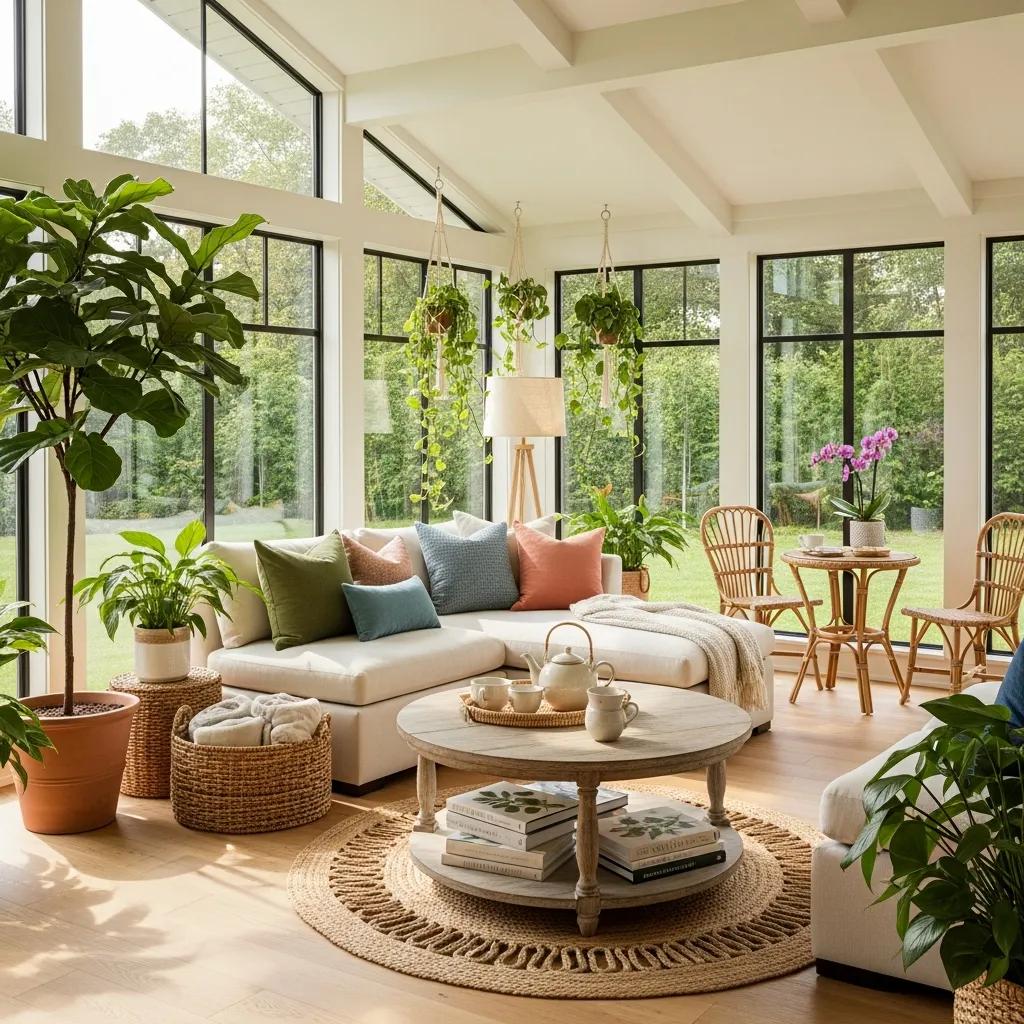
Sunrooms are an easy way to bring daylight and the outdoors inside. They make for relaxed lounging, a sunny play area, or a year-round plant room when built with proper insulation and climate control. A thoughtfully placed sunroom can extend your living area and create a light-filled transition between house and yard.
What are the differences between three-season and four-season sunrooms?
Three-season sunrooms are built for spring through fall, typically using operable screens or windows and lighter construction. Four-season sunrooms are insulated, have energy-efficient glazing and integrate with your HVAC so they’re comfortable through winter. Your choice depends on intended use and how much of the year you want to occupy the space.
Which cost factors affect sunroom addition projects?
Costs vary with size, materials and how insulated and finished the room will be. High-performance windows and durable roofing increase upfront costs but pay back through energy savings. Custom features, foundation work and local permit fees also affect the budget — and labour rates can vary across municipalities. Factor in both initial build costs and long-term comfort when planning.
What are the advantages and uses of garage conversions for additional living space?
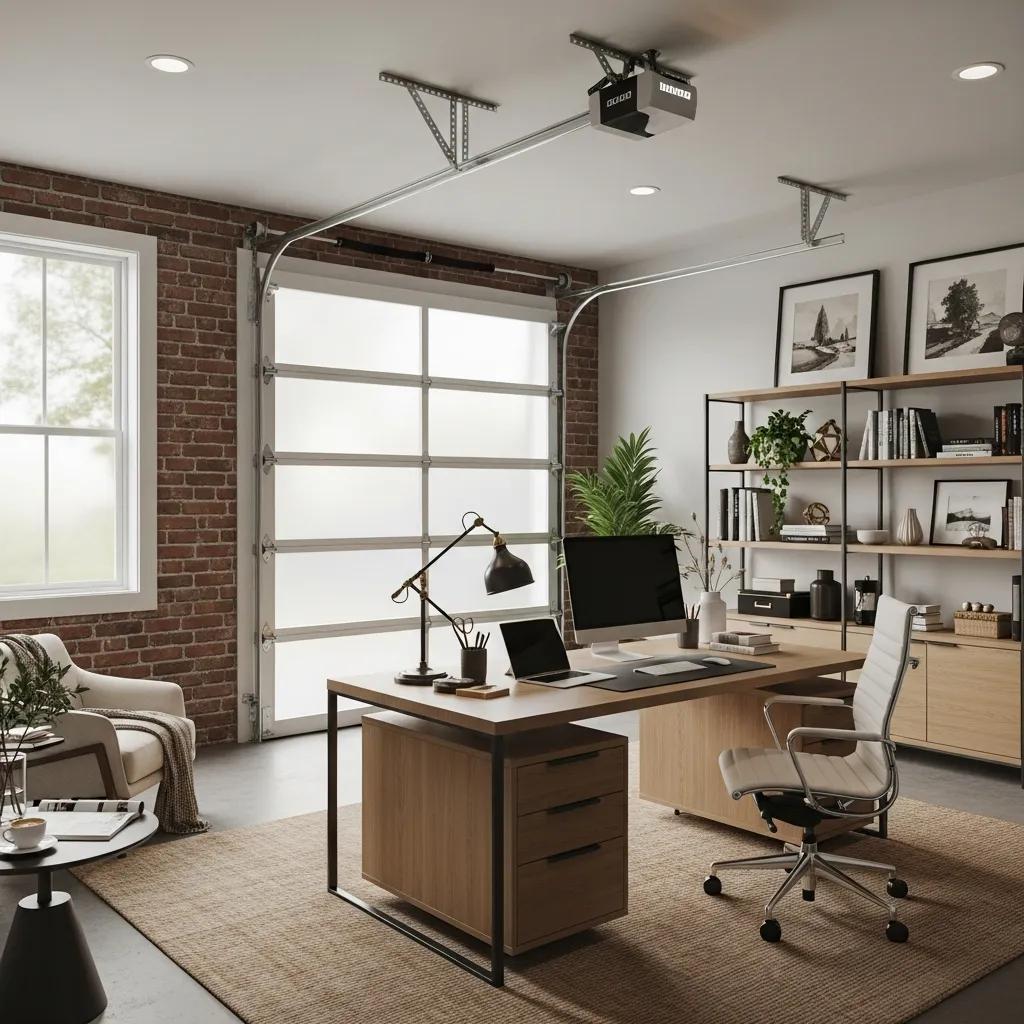
Garage conversions let you repurpose existing square footage without adding to your footprint. They’re a flexible, cost-effective way to create an ADU, home office, gym or guest suite. When planned correctly, a conversion can meet changing household needs or provide rental income, while often costing less than a new build.
How can garage conversions create functional spaces like ADUs or home offices?
Successful garage conversions start with clear use goals and a plan for insulation, plumbing and electrical upgrades. ADUs require careful attention to zoning and code compliance, while home offices focus on lighting, acoustics and connectivity. Early conversations with your contractor and local building department help identify permit needs and make the project smoother.
Understanding local zoning rules is essential before converting a garage or accessory building into an approved ADU.
Zoning for ADUs & Garage ConversionsConverting a garage into living space usually requires that the space meet ADU approvals and the specific permitted uses under local zoning. Check the municipal zoning chapter for permitted uses and any conditions that apply.
What permit requirements apply to garage conversion projects in Windsor?
In Windsor, like most municipalities, garage conversions typically need building permits and inspections to confirm compliance with structural, electrical, plumbing and zoning rules. Requirements can vary based on the intended use and whether you’re creating an ADU, so always verify with the local building department and include permit costs in your budget.
For project-specific permit and coverage details in Windsor, consult local planning and building resources.
Home Addition Permits & Coverage RequirementsPermit requirements, coverage rules and other considerations such as parking are outlined in municipal data sources like the City of Windsor’s Open Data Portal. Local studies (for example, analyses of ADU potential) can also help clarify options for your lot.
How does basement finishing transform unused areas into functional living spaces?
Finishing a basement converts underused space into real living area — think family rooms, home theaters, rental suites or extra bedrooms. It’s a cost-efficient way to add usable square footage and improve home value when done with attention to insulation, moisture control and egress requirements.
What are popular basement finishing ideas and design considerations?
Popular basement plans favor open layouts, integrated storage, wet bars and cozy media zones. Key design considerations include ceiling height, natural light options, insulation and proper ventilation. Planning for plumbing and wiring early avoids costly changes later.
How do waterproofing and lighting impact basement renovations?
Moisture control is non-negotiable — proper waterproofing and drainage protect your investment and prevent mold. Lighting converts a dark basement into a welcoming space; combine ambient, task and accent lighting to mimic natural light and create different moods for different uses.
What should homeowners know about planning and permits for home additions in Windsor?
Planning a legally compliant, well-executed addition means checking local building codes and zoning rules early. Proper permits, clear plans and timely inspections keep the project on track and protect your property value. Start permit conversations before construction starts to avoid delays.
How to navigate building permits and zoning regulations in Essex County?
Begin with your municipal building department to learn submission requirements, necessary drawings and expected timelines. Depending on the project you may need site plans, structural details and inspections. Allow extra time for permit approvals when scheduling work.
What are the steps for budgeting and financing your home addition project?
Budgeting starts with a clear scope: define the spaces, materials and level of finish you want. Get multiple estimates, include contingency for unexpected work, and factor in permit and design fees. Financing options include home equity loans, refinancing or personal loans — choose the option that fits your timeline and financial goals.
What are the latest trends and materials for home additions in 2026?
Looking ahead to 2026, homeowners are prioritizing sustainability, energy performance and thoughtful design. Materials and systems that reduce operating costs while improving comfort are increasingly common.
How are smart technologies and biophilic design shaping modern additions?
Smart systems that manage lighting, heating and security make additions more efficient and convenient. Biophilic design — more natural light, plant integration and organic materials — creates spaces that feel calmer and better connected to the outdoors.
Which materials and color palettes are popular for enhancing home spaces?
Sustainable materials like reclaimed wood, bamboo and recycled metal are on the rise. Colour trends lean toward warm neutrals and earth tones that create a welcoming backdrop for both modern and traditional homes. Choose finishes that suit your lifestyle and complement the home’s existing character.
|
Home Addition Type |
Average Cost |
Benefits |
|
Second Story Addition |
$150,000 – $300,000 |
Increases living space and property value |
|
Kitchen Extension |
$40,000 – $120,000 |
Enhances functionality and modernizes the home |
|
Sunroom Addition |
$20,000 – $60,000 |
Provides natural light and year-round enjoyment |
|
Garage Conversion |
$15,000 – $40,000 |
Maximizes existing space for various uses |
|
Basement Finishing |
$30,000 – $75,000 |
Transforms unused areas into functional living spaces |
Home additions are an investment in how you live — and in your home’s long-term value. Knowing the types of additions, typical costs and practical benefits helps you make smart choices that fit your lifestyle and budget. Whether you’re planning a second story, a kitchen extension or a garage conversion, careful planning and the right team will lead to a successful renovation. Learn more about our services at Santa Rossa Group and start the conversation.
Frequently Asked Questions
What are the key considerations when planning a home addition?
Begin by defining how you’ll use the new space and how it fits with your home’s layout. Check local zoning and building codes early, and build a realistic budget that includes design, permits and contingencies. Think about style continuity, energy performance and how the work will affect daily life. Finally, involve architects or experienced contractors to validate scope and timelines.
How can homeowners ensure their home addition is energy-efficient?
Choose quality insulation, high-performance windows and efficient HVAC systems. Use passive design strategies — window placement, shading and orientation — to reduce heating and cooling loads. Add smart controls to monitor and optimize energy use. Consulting a green building professional can identify the best upgrades for your project and budget.
What are the potential challenges of adding a second story to a home?
Key challenges include confirming the existing foundation and structure can support added weight, meeting local height and setback rules, and managing the construction timeline to minimize disruption. Careful structural assessment and early planning around stair placement and utilities help avoid costly changes during build-out.
What financing options are available for home addition projects?
Common routes include home equity loans, home equity lines of credit (HELOCs), refinancing to access cash, or personal loans. Some homeowners mix savings with a loan. There may also be local incentives or programs for energy-efficient upgrades. Compare interest rates, repayment terms and any fees to choose what fits your situation.
How can homeowners maintain their home addition over time?
Set a regular maintenance schedule: inspect for cracks, water intrusion and wear; keep gutters and roofs clear; and service HVAC systems. Address moisture or structural issues quickly to avoid bigger repairs. Keep records of warranties and past work so future upkeep or resale is easier.
What are the benefits of hiring a professional for home addition projects?
Professionals bring experience with design, permitting and construction coordination that reduces risk and keeps projects on schedule. They can often source materials at better rates, anticipate code issues and offer proven solutions that save time and money. Working with a qualified contractor gives you clearer cost estimates and a smoother build process.
Conclusion
Thoughtful home additions improve daily life and increase your home’s value. By understanding the options, costs and practical trade-offs, you can pick the solution that fits your needs and budget. With careful planning and the right team, your renovation will deliver the comfort and function you expect. Contact our experts to explore ideas and next steps for your home.