DIY Room Additions vs. Hiring Professionals: What Homeowners Need to Know

Deciding between a DIY room addition and hiring a professional is one of the biggest choices a homeowner can make. This guide walks you through the real differences—risks, costs, permits, and quality—so you can make a smart, confident decision. Many homeowners underestimate how complex room additions can be; small oversights can lead to expensive fixes later. Below we break down the common pitfalls of DIY work, how pros approach projects, and what to expect from both cost and quality perspectives.
What Are the Main Risks of DIY Room Additions Compared to Professional Projects?
DIY additions can save money up front, but they carry notable risks. Inexperienced planning or construction can create structural problems, code violations, and safety hazards. Homeowners sometimes miss the technical details that professionals account for, which can turn a weekend project into a long, costly headache.
Which common mistakes increase risks in DIY home additions?
-
Lack of Planning: Skipping a detailed plan often leads to design blind spots and awkward functionality.
-
Underestimating Costs: Hidden expenses—permits, specialized materials, or unforeseen repairs—can quickly blow your budget.
-
Ignoring Building Codes: Overlooking local regulations can result in fines or required rework to bring the addition up to code.
These missteps don’t just delay a project—they can reduce the long-term value of your investment.
How do professionals mitigate risks during room additions?
-
Thorough Planning: Contractors produce detailed plans and schedules that anticipate common issues and dependencies.
-
Insurance Coverage: Licensed builders carry liability and workers’ compensation insurance, protecting you from most on-site claims.
-
Knowledge of Regulations: Pros know local codes and inspection requirements, so the work is done right the first time.
With that expertise, professionals can often avoid costly mistakes and keep the project moving smoothly.
How Do Costs Compare Between DIY and Contractor Room Additions?
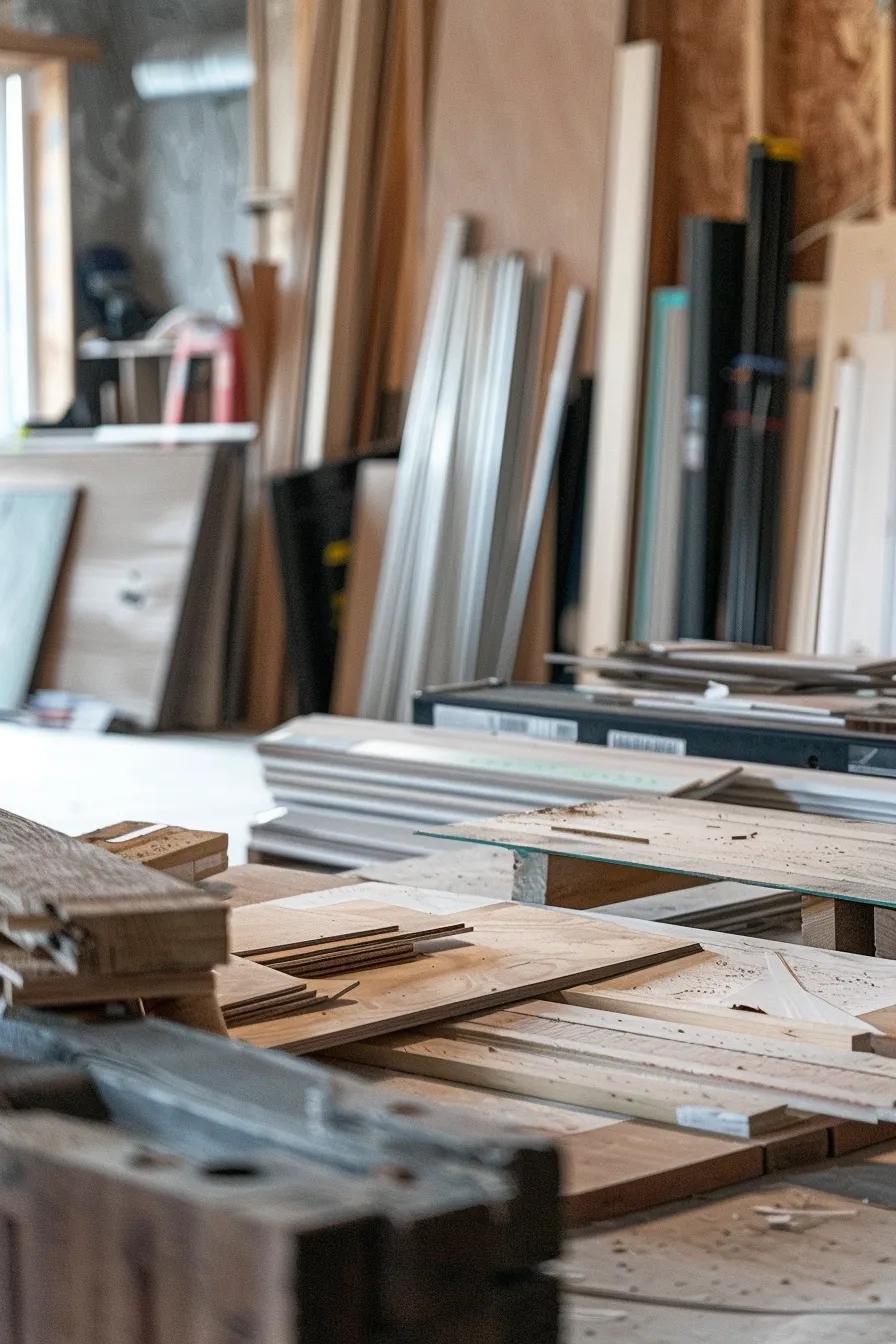
Cost is usually the deciding factor. While DIY might look cheaper at a glance, unplanned expenses and lower efficiency can erase those savings. Understanding both visible and hidden costs helps you budget realistically.
What are the upfront and hidden costs of DIY room additions?
-
Materials: Without trade discounts, material costs can be higher and mistakes can mean buying replacements.
-
Labor: You’ll save on labor but may still need hired specialists for electrical, plumbing, or structural work.
-
Permits: Permit fees, required inspections, and possible rework if work fails inspection are often overlooked.
Taken together, these factors can make a DIY approach more expensive than expected.
How do professional contractors price room addition projects?
-
Labor Rates: Contractors charge for skilled labor and project management; rates vary by region and project scope.
-
Material Costs: Pros usually access better pricing and know which materials give the best long-term value.
-
Project Scope: Size, complexity, and site conditions are the biggest drivers of the final price.
Contractors aim for predictable budgeting and fewer surprise expenses, which many homeowners find worth the upfront cost.
What Are the Advantages of Hiring Professionals for Home Additions?
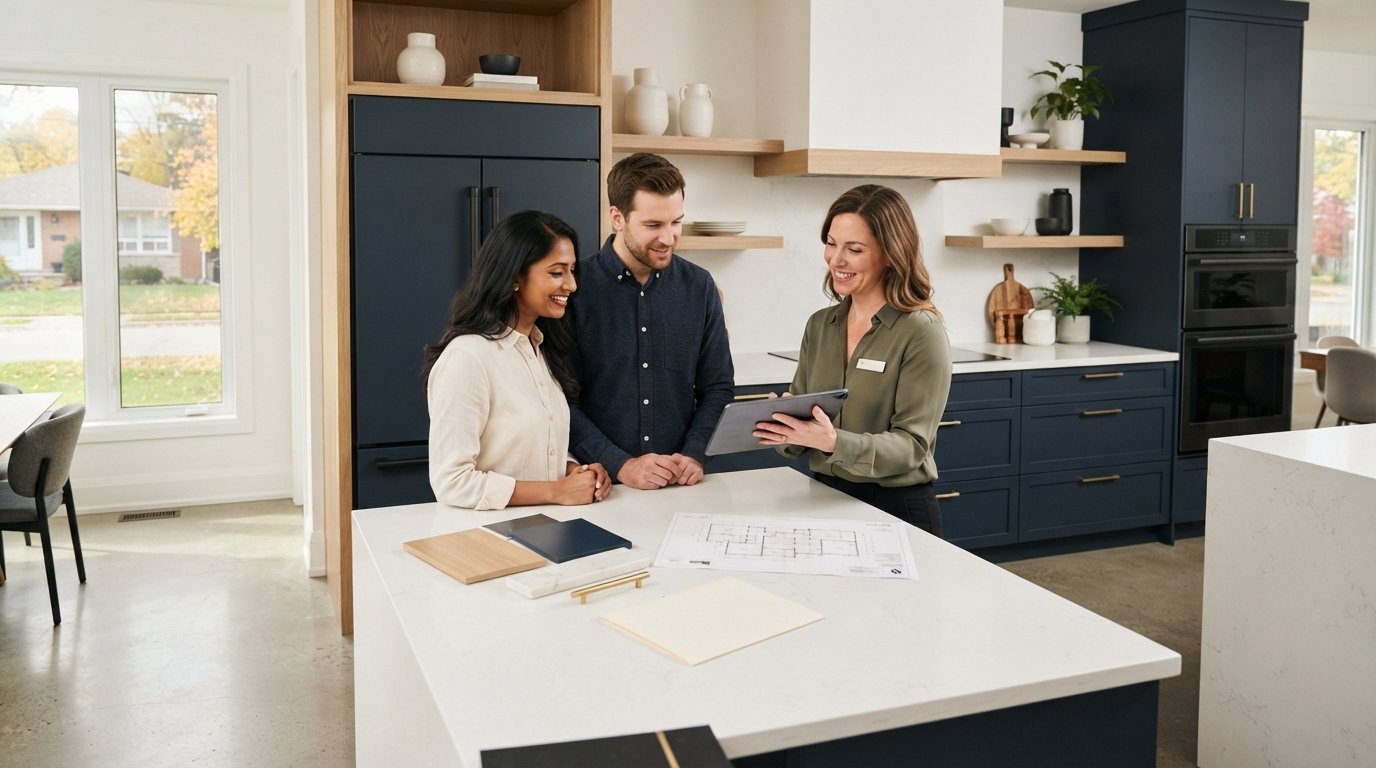
Hiring a pro brings speed, quality, and peace of mind. Experienced teams deliver consistent workmanship, coordinate trades, and handle the paperwork so you don’t have to.
-
Quality of Work: Skilled crews follow best practices and building codes, resulting in a finished space that looks and performs better.
-
Time Savings: Professionals complete work faster and with fewer interruptions to your daily life.
-
Access to Resources: Contractors tap into supplier networks and trusted subcontractors to keep the project on track.
When you want a reliable outcome, the Santarossa Group connects homeowners with vetted contractors who know how to deliver on time and on budget. Our focus is pairing you with the right team for your project.
How does professional expertise improve project quality?
-
Attention to Detail: Pros catch small issues before they become big problems, from flashing to finish trim.
-
Problem-Solving Skills: Experienced contractors handle surprises—site conditions, structural quirks—efficiently and affordably.
-
Experience with Complex Designs: Professionals translate design intent into a buildable plan while maintaining function and aesthetics.
That depth of experience is typically hard to match with a DIY approach.
What benefits do warranties and insurance provide homeowners?
-
Financial Protection: Warranties cover workmanship and material defects, reducing future out-of-pocket costs.
-
Peace of Mind: Insured work means you’re not personally liable for on-site accidents or damage.
-
Long-Term Value: Quality, warrantied work can boost resale value and buyer confidence.
Those protections add measurable value beyond the finished space.
How Do Home Addition Permits Differ Between DIY and Contractor Approaches?
Permits are a crucial step. Mistakes or omissions in the permitting process can halt a project or lead to fines—so knowing the difference between DIY and pro handling matters.
What permits are required for room additions?
-
Building Permits: Required for structural work to confirm safety and code compliance.
-
Zoning Permits: Ensure your addition meets setback, height, and use rules for your property.
-
Electrical and Plumbing Permits: Necessary for any work that modifies those systems and requires inspections.
Skipping proper permits risks costly enforcement actions and future complications when selling your home.
Research on permit practices highlights how unapproved building activity can create unmanaged risks for communities.
Building Permits & Regulatory Risks in Home ConstructionBuilding permits exist to manage orderly, safe development. Yet many projects proceed without official approval, leading to unplanned siting, use of unapproved plans, and construction in inappropriate areas such as waterways—issues that complicate long-term planning and safety.
How do professionals handle permit acquisition compared to DIYers?
-
Understanding Local Regulations: Contractors know the local rules and typical approval timelines.
-
Submitting Applications: Pros prepare and submit accurate permit applications, cutting the chance of rejection or delay.
-
Communicating with Authorities: Established relationships with building departments often smooth the inspection and approval process.
That familiarity saves time and reduces the risk of compliance issues down the road.
What Quality Differences Exist Between DIY and Professional Renovations?
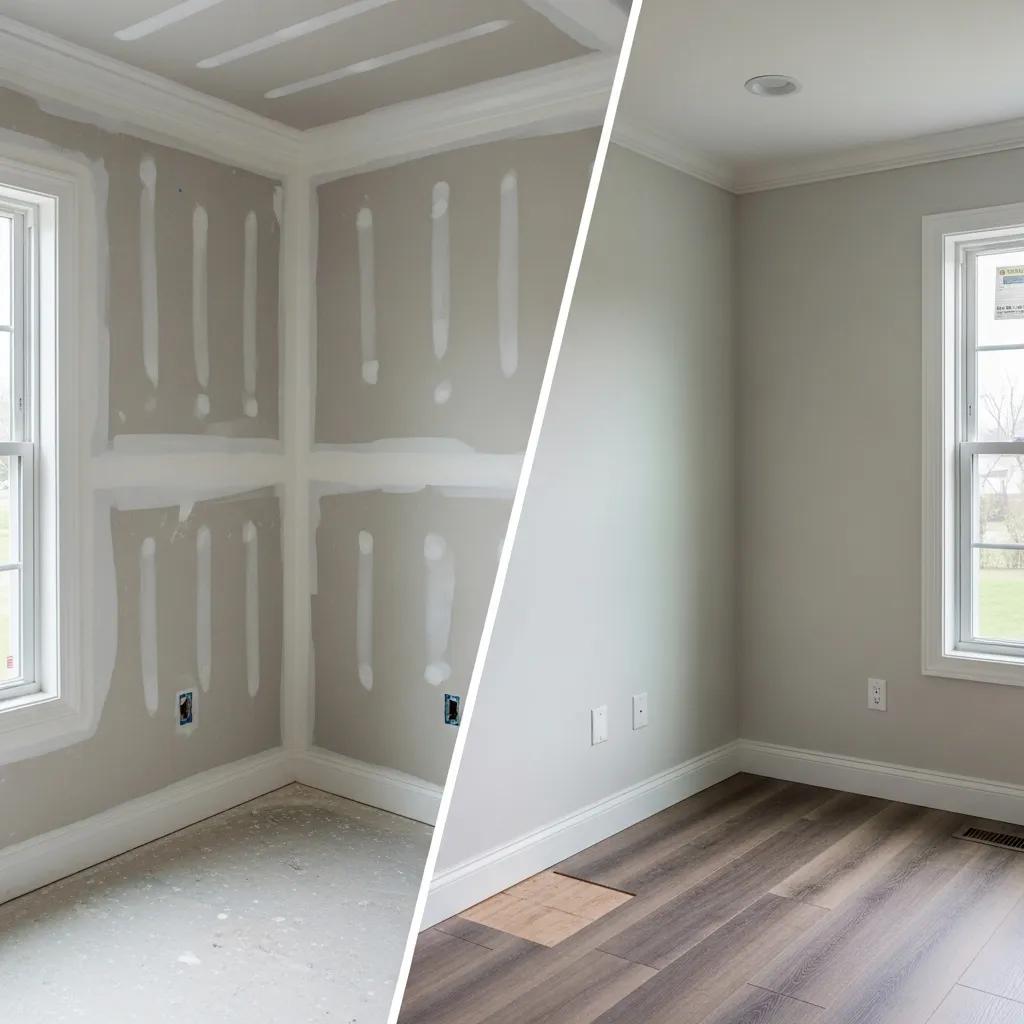
Workmanship shows up in the details. Professionals bring training, specialized tools, and quality control systems that typically produce longer-lasting results.
How does workmanship quality vary between DIY and professionals?
-
Skill Level: Trained crews handle structural, mechanical, and finish work to recognized standards.
-
Tools and Equipment: Professionals use specialized equipment that improves precision and durability.
-
Quality Control: Contractors run checkpoints and inspections to ensure consistency across the project.
These practices lead to a noticeably better finished product and fewer callbacks.
What impact does quality have on home value and longevity?
-
Increase Resale Value: Thoughtful, well-built additions attract buyers and can command higher prices.
-
Enhance Durability: Quality materials and workmanship reduce maintenance and repair needs.
-
Improve Energy Efficiency: Properly executed insulation, windows, and systems cut utility costs over time.
In short, investing in quality pays dividends in both comfort and long-term ownership costs.
|
Cost Type |
DIY Approach |
Professional Approach |
|
Upfront Costs |
Lower initial cash outlay, but hidden expenses can build up |
Higher up-front expense, with clearer pricing and fewer unexpected fees |
|
Labor Costs |
No hired labor but possible subcontractor fees for specialized work |
Labor and project management bundled into the overall cost |
|
Permit Fees |
Often overlooked or underestimated by homeowners |
Handled by professionals to ensure compliance and smoother approvals |
DIY additions can be rewarding, but the combined risks, hidden costs, and potential quality gaps often make hiring professionals the smarter route—especially for larger or more complex projects. Evaluate your skills, schedule, and long-term goals before choosing the path that’s right for you.
Frequently Asked Questions
What should I consider before deciding between DIY and hiring a professional for a room addition?
Weigh your construction experience, available time, and the complexity of the build. Consider whether you can meet code requirements and manage inspections. If the job involves structural changes, major systems, or tight timelines, a professional is usually the safer bet.
How can I find qualified professionals for my room addition project?
Start with personal referrals and local reviews. Look for licensed, insured contractors with experience in additions. Ask for portfolios, references, and a detailed written estimate. A short interview will reveal their communication style and whether they understand your priorities.
What are the potential long-term benefits of hiring professionals for room additions?
Professionally built additions often offer better durability, energy performance, and resale value. You’ll also avoid many DIY pitfalls—unexpected costs, failed inspections, or subpar finishes—that can reduce long-term satisfaction.
Are there specific building codes I should be aware of for room additions?
Yes—codes vary by municipality and cover structural, electrical, plumbing, insulation, and egress requirements. Check with your local building department for specifics. Professionals typically handle these details as part of the project scope.
What are the signs that a DIY room addition is not going as planned?
Watch for persistent delays, recurring mistakes, rising costs beyond your budget, or structural issues like uneven floors or sagging elements. If you’re frequently troubleshooting unfamiliar problems, it may be time to bring in a pro.
How can I ensure my DIY project meets local building regulations?
Research local codes, obtain necessary permits, and schedule mandatory inspections. Create a clear project plan and consult with licensed tradespeople for technical tasks. When in doubt, get a professional inspection to confirm compliance before closing up walls.
Conclusion
DIY room additions can work for small, simple projects, but the risks and hidden costs often make professional help the better long-term investment. Contractors bring experience, insurance, and a process that protects your home and budget. Take time to assess your project’s scope and choose the option that gives you a safe, durable, and attractive result. When you’re ready, connect with qualified contractors who can turn your vision into a finished space.