Top 5 Challenges Homeowners Face with Addition Projects — and How to Find Reliable Contractors in Windsor‑Essex

Home addition projects are exciting — a chance to expand space, add value, and make a house feel more like home. They can also be complicated. In this guide we cover the five most common problems homeowners run into and practical steps to avoid them in Windsor‑Essex. You’ll learn what causes budget overruns, how permits and zoning can affect your plans, why delays happen, how to spot poor contractor communication, and what to watch for with workmanship. We’ll also explain how Santarossa Group supports homeowners through each of these stages so your project runs smoother from start to finish.
What Causes Budget Overruns and Hidden Costs in Home Addition Projects?
Budget overruns are one of the biggest worries on any addition project. They usually happen when the plan meets reality: material prices change, undiscovered structural issues appear, or the project scope shifts mid-build. Knowing the usual triggers helps you plan smarter and avoid costly surprises.
How Do Unexpected Expenses Impact Home Addition Budgets?
Unexpected expenses can derail even well-planned budgets. Typical examples are aging electrical systems that must be brought up to code or hidden water damage that needs immediate repair. Industry data shows that roughly 30% of renovation projects end up over the original budget because of unforeseen costs. A practical rule: set aside a contingency of about 10–20% of your total budget to cover these kinds of surprises.
Research into construction cost estimation highlights how common and complex cost overruns can be.
Reducing Cost Overruns in Construction ProjectsCost estimation on construction projects remains a debated topic in practice. Several leading explanations point to systemic factors that drive cost overruns.Reducing cost overrun in public housing projects: A simplified reference class forecast for small island developing states, A Chadee, 2023
What Are Santarossa Group’s Strategies for Transparent Budgeting?
At Santarossa Group we focus on clear, practical budgeting so homeowners don’t get blind‑sided. That means detailed estimates that list labor, materials, permits, and likely contingencies. We keep communication open throughout the build so you can approve changes or make informed trade‑offs as they arise. The result: fewer surprises and better control over costs.
How Can Homeowners Navigate Permitting and Zoning Requirements in Windsor-Essex?
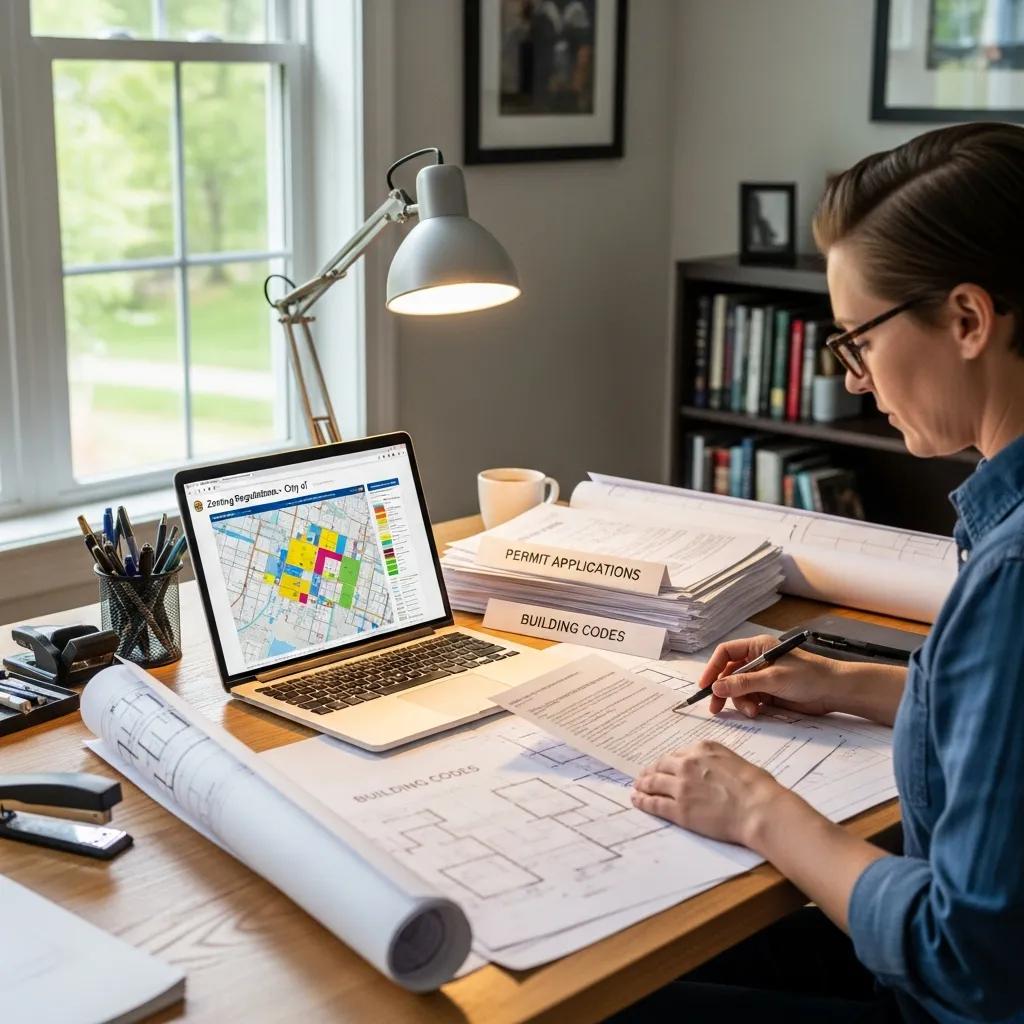
Permits and zoning rules vary across Windsor‑Essex and can be a stumbling block if you don’t address them early. These regulations determine what you can build, where it can sit on your lot, and which safety standards must be met. Skipping this step can lead to delays, rework, or fines — so it’s best to get it right from the start.
What Are the Key Local Regulations Affecting Home Additions?
Key rules to check include local zoning bylaws (what’s allowed on your property), setback requirements (how far your addition must be from property lines), and the Ontario building code standards that ensure structural safety. Reviewing these early in the design phase keeps the project moving and avoids costly revisions later.
Efforts to improve homeowner compliance with permit rules underline the importance of getting permits before construction begins.
Homeowner Permit Compliance for RenovationsOutreach and reminders to homeowners about applying for permits before renovating are part of measures that increase regular inspections in targeted residential areas.Measures in curbing poor compliance to building control regulation among renovated terrace houses, N Ujang, 2017
How Does Santarossa Group Assist With Permit Applications and Compliance?
Santarossa Group guides homeowners through the permit process from day one. Our team knows the local requirements and prepares the documentation needed for approvals so work can start on schedule. That proactive approach reduces the risk of regulatory hold‑ups and keeps your timeline intact.
What Are the Common Causes of Construction Delays in Home Addition Projects?
Delays are a regular part of construction, but many are avoidable with proper planning. Knowing the common causes helps you build realistic timelines and contingency plans so delays don’t become a crisis.
How Do Material Shortages and Scheduling Conflicts Affect Timelines?
Material backorders or late deliveries can pause a job until the right pieces arrive. Similarly, subcontractor scheduling conflicts can create gaps in the work sequence. The best defense is advance ordering, realistic scheduling, and regular updates from your contractor so you know what to expect.
What Project Management Practices Does Santarossa Group Use to Prevent Delays?
We use detailed scheduling, proactive ordering, and coordinated subcontractor management to keep projects moving. Regular site checks and open communication with homeowners mean we catch issues early and adjust plans before small problems turn into long delays.
How Do Homeowners Find and Communicate With Reliable Home Renovation Contractors?
Finding the right contractor matters as much as the design itself. The right team will communicate clearly, show up on schedule, and stand behind their work — all things that make the build process far less stressful.
What Are the Signs of Poor Contractor Communication and Unreliability?
Watch for missed deadlines, slow or non‑existent responses to questions, and estimates that are vague or incomplete. Those are red flags. A reliable contractor will give clear timelines, detailed quotes, and regular progress updates so you always know where the project stands.
Why Is Santarossa Group a Trusted Contractor in Windsor-Essex?
Santarossa Group has built trust in Windsor‑Essex by focusing on quality, clear communication, and customer care. We keep homeowners informed, respond quickly to concerns, and bring years of local experience to every project. Client testimonials and repeat customers reflect that commitment.
How Can Homeowners Ensure Quality Workmanship and Address Structural Concerns?
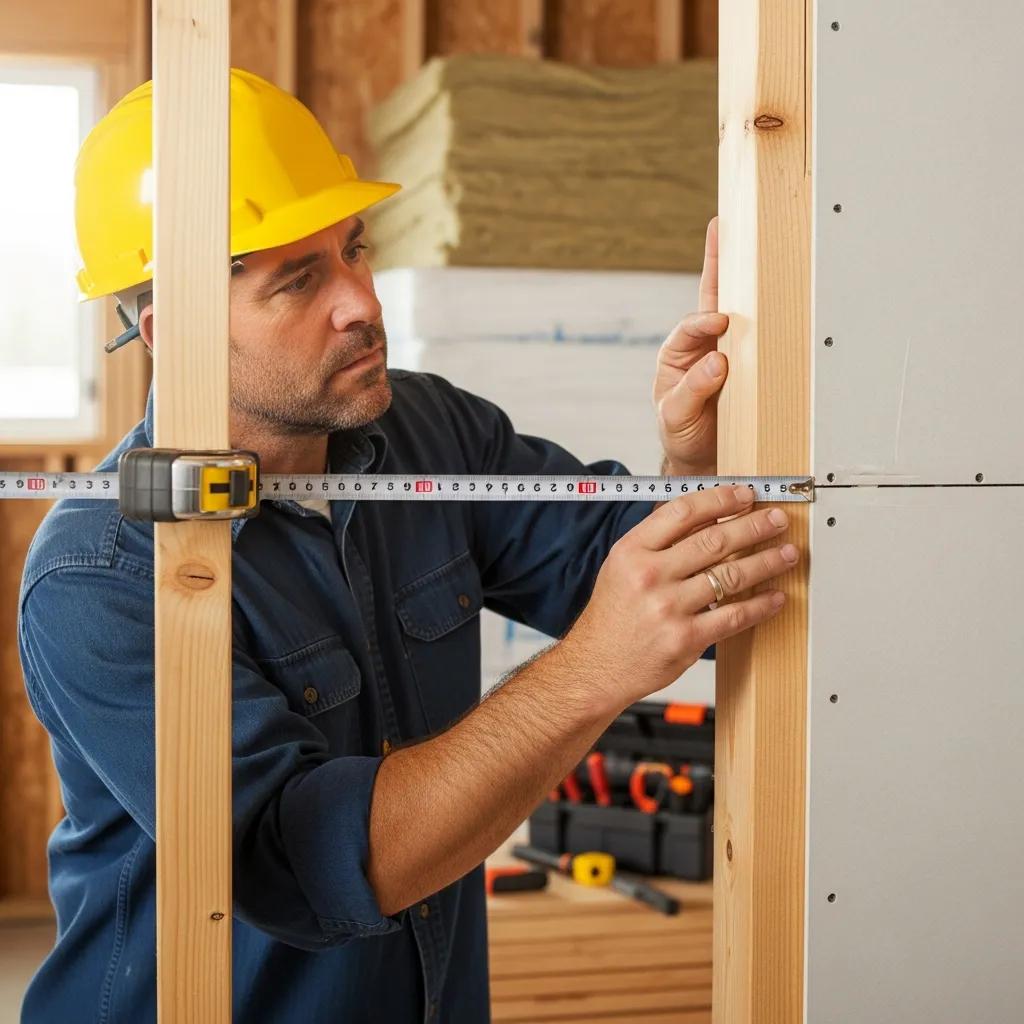
Quality workmanship protects your investment and your family’s safety. Be proactive: inspect progress, ask for explanations of methods and materials, and confirm inspections and warranties are in place.
What Are the Indicators of Subpar Workmanship in Home Additions?
Signs of poor workmanship include uneven finishes, misaligned framing, and visible defects in materials or installation. Regular site visits and asking for references or photos of past work help you catch issues early so they can be corrected before completion.
How Does Santarossa Group Guarantee Structural Integrity and Craftsmanship?
We stand behind our work with routine quality checks, experienced tradespeople, and clear standards for materials and installation. Regular inspections at key milestones ensure the final build meets or exceeds industry standards and gives you confidence in the result.
What Are the Best Practices for Avoiding Common Home Addition Challenges?
Practical planning, informed decisions, and consistent communication will reduce risk and keep your project on track. The following best practices make a real difference.
How Can Proactive Planning Minimize Budget and Permit Issues?
Start with research and a detailed plan: outline scope, timelines, and a budget that includes contingencies. Early permit checks and a firm plan reduce the chance of last‑minute changes that add cost and time.
What Role Does Clear Communication Play in Successful Home Additions?
Clear, regular communication between you and your contractor prevents misunderstandings and keeps the project moving. Agree on update cadence, decision points, and how change requests will be handled so everyone stays aligned.
|
Challenge |
Description |
Impact Level |
|
Budget Overruns |
Unexpected expenses can lead to financial strain |
High |
|
Permitting Issues |
Non-compliance with local regulations can cause delays |
Medium |
|
Construction Delays |
Material shortages and scheduling conflicts can extend timelines |
High |
|
Poor Communication |
Lack of clarity can result in misunderstandings and project setbacks |
Medium |
|
Quality Concerns |
Subpar workmanship can lead to safety issues and costly repairs |
High |
In short: know the common pitfalls, plan for them, and choose a contractor who communicates and stands behind their work. Santarossa Group is here to guide homeowners across Windsor‑Essex through every step — from zoning checks to final walkthroughs — so your addition is built right and on budget.
Frequently Asked Questions
What should homeowners consider when choosing a contractor for their addition project?
Start with credentials: verify licenses and insurance. Read reviews and ask for references or photos of completed work. Confirm the contractor has experience with projects like yours and that their estimate is detailed. Finally, compare a few quotes to understand market pricing and make an informed choice.
How can homeowners prepare for potential construction delays?
Set a realistic timeline with buffer time, order long‑lead materials early, and agree on a communication plan with your contractor. Have contingency plans for extended timelines — for example, temporary living arrangements — so a delay is manageable rather than disruptive.
What are the benefits of hiring a local contractor in Windsor-Essex?
Local contractors know regional building codes and permit processes, have established supplier relationships, and can respond quickly for site visits or follow‑ups. That local knowledge often saves time and reduces surprises.
How can homeowners ensure their project stays within budget?
Create a detailed budget that includes materials, labor, permits, and a 10–20% contingency. Track costs regularly, review change orders carefully, and keep open communication with your contractor so you can make timely decisions to avoid overruns.
What steps can homeowners take to verify a contractor’s quality of work?
Ask for references and visit completed projects if possible. Check for industry memberships or certifications, request a clear warranty, and review contracts for materials and standards. Independent inspections at key stages can also provide extra assurance.
What are the common mistakes homeowners make during home addition projects?
Common mistakes include inadequate planning, underestimating costs, skipping permit checks, and poor communication with contractors. Choosing cheaper materials without considering long‑term durability is another frequent error. Addressing these early keeps the project on track.
Conclusion
Knowing the typical challenges of home additions helps you plan better and avoid costly setbacks. With attention to budgeting, permits, scheduling, communication, and workmanship, your renovation has a far better chance of success. Santarossa Group is committed to guiding Windsor‑Essex homeowners through the process — from first drawings to final walkthrough. Contact us today to discuss your addition and how we can help bring it to life.