Understanding Concrete Walkway Installation Costs: What to Budget for Your Windsor & Essex County Project
Concrete walkway costs depend on material choice, site conditions and the finish you pick. Getting a realistic budget early avoids surprises. This guide breaks down costs by square foot and by common project sizes for Windsor and Essex County, explains the main factors that move quotes up or down, and outlines the maintenance you should plan for over a walkway’s life. You’ll learn how thickness, reinforcement, finish and site prep combine to set the final price, plus how to read quotes from local contractors. We also walk through how to get an accurate estimate, compare pro installation versus DIY, and highlight lifecycle costs so you can plan confidently. Near the top and again where it makes sense, we point you to clear next steps for requesting a local quote or booking a consultation with Santarossa Group, a Windsor-based concrete contractor known for local know‑how and transparent pricing.
If you want a quick estimate before you read the whole guide, gather approximate walkway dimensions and your preferred finish—those two details speed up any quote. Below we show how to convert square footage into concrete volume, how different finishes affect per-square-foot pricing, and why local climate and permits matter for a long-lasting result. The sections that follow cover typical local costs, the main cost drivers, the value a local contractor adds, the estimating process, common DIY pitfalls, and maintenance budgeting.
What Is the Average Concrete Walkway Cost Per Square Foot in Windsor and Essex County?
Per-square-foot pricing reflects materials, labour, finish and site work. In Windsor and Essex County the range is wide because finishes and site access vary a lot. A basic broom-finish walkway at the standard 4″ thickness sits near the low end of the range; stamped, coloured or exposed-aggregate finishes raise the per‑square‑foot price because they require more labour and materials. Start your budget by choosing thickness and finish—those choices set the baseline for material volume and finishing time before site prep and access are added. Below is a practical cost matrix with common walkway sizes, typical thicknesses and a conservative installed-cost range to help you picture budgets in our area.
|
Walkway size (sq ft) |
Typical thickness |
Estimated installed cost range |
|
75 sq ft |
4″ |
$600–$900 |
|
100 sq ft |
4″ |
$800–$1,200 |
|
200 sq ft |
4″–6″ |
$1,400–$3,400 |
These numbers are illustrative and show how your finish choice and any required site preparation change a baseline cost. For example, exposed aggregate and stamped finishes typically sit at the higher end because of extra steps and finishing time. Use these ranges to set an initial budget before you ask for a precise local quote.
How Do Walkway Size and Thickness Affect Total Installation Costs?
Size and slab thickness directly determine concrete volume and the time needed for forming, placing and finishing. Bigger area or thicker slabs mean more material, more labour hours and sometimes heavier equipment. To convert square feet and thickness to cubic yards: area (sq ft) × thickness (ft) = cubic feet; divide by 27 to get cubic yards. That helps you estimate how much delivered concrete you’ll need. A 100 sq ft walkway at 4″ (0.333 ft) uses about 1.23 cubic yards; going to 6″ increases volume and cost proportionally and may require stronger reinforcement.
Plan for a waste allowance, reinforcement needs and any steps or curves that add forming time. Those small details increase labour per linear foot and can turn a simple pour into a custom job—so put size and thickness at the top of your budget worksheet.
What Are Typical Price Ranges for Different Walkway Sizes and Thicknesses?
Price bands vary with finish, thickness and site complexity. In Windsor and Essex County, modest 4″ broom-finish walkways are usually the most economical per square foot, while decorative finishes and thicker slabs cost more. Small 75–100 sq ft paths with standard thickness and a broom finish tend to fall near the low-to-mid part of the ranges listed above; 200 sq ft projects or 6″ slabs push toward the higher estimates. Decorative stamped or exposed aggregate finishes add a per‑square‑foot premium that can significantly increase total installed costs compared with a basic finish.
When you size your budget don’t forget removal of old concrete, grading and any drainage adjustments—those prep tasks are common reasons a final quote climbs.
Which Key Factors Affect the Price of Concrete Walkway Installation?
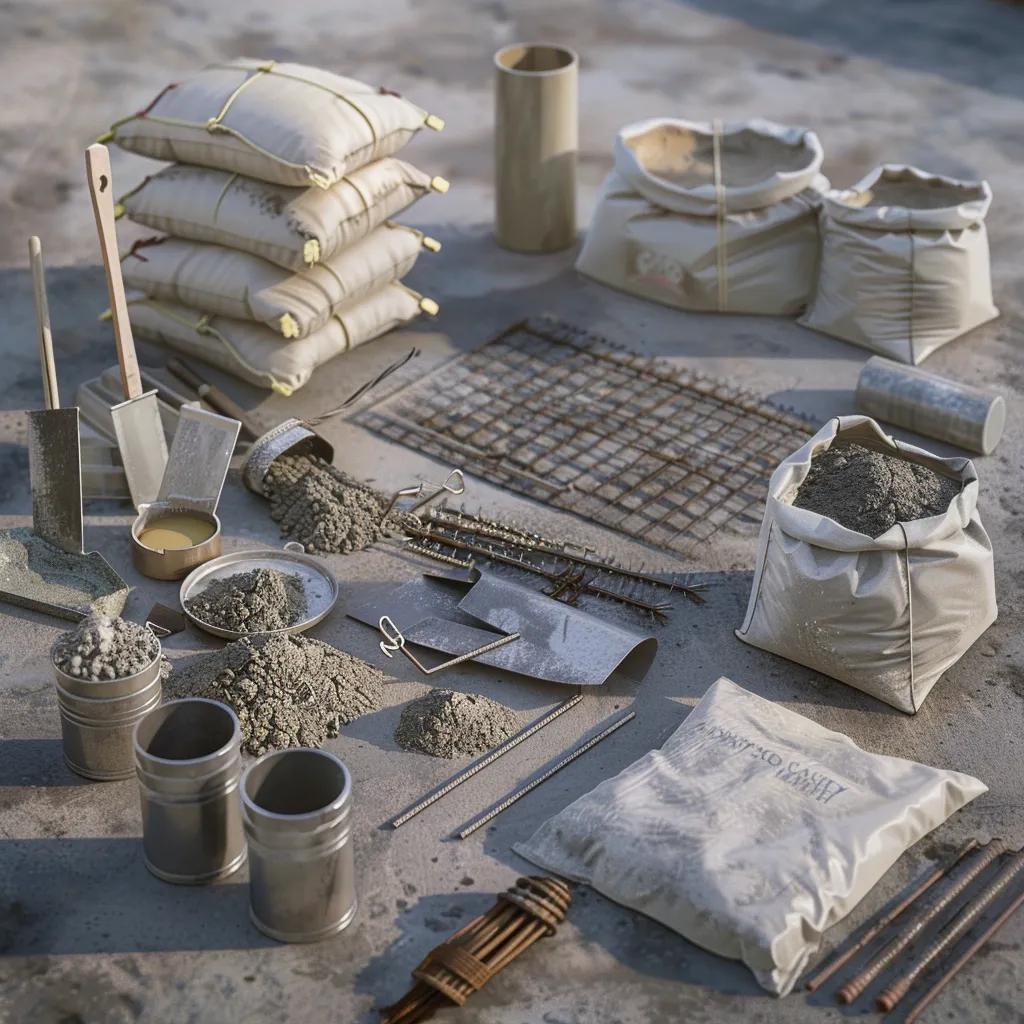
The installed price is the sum of several interacting parts: concrete volume, reinforcement, finish, site preparation, labour, access complexity and any permits or inspections. Some factors multiply costs—for example, poor access increases crew time and equipment hours, which raises both labour and rental line items. Breaking these drivers down helps you decide where extra budget buys long-term value and where you can save without compromising performance.
|
Cost component |
Attribute |
Impact on cost |
|
Reinforcement |
Rebar vs wire mesh |
+$0.50–$3.00 per sq ft depending on type |
|
Finish |
Broom / smooth / stamped / exposed aggregate |
+$0–$12+ per sq ft for decorative finishes |
|
Site prep |
Excavation, base material, compaction |
+$5–$15 per sq ft for difficult sites |
|
Access |
Equipment access and cleanup complexity |
Variable; can add 10–30% to labor costs |
Knowing these cost drivers helps you read quotes item by item and avoid surprises from omitted prep work or hidden fees. The next paragraphs dig into finishes and site‑prep costs so you can see where extra budget usually makes sense.
-
Size and thickness set baseline material and labour needs.
-
Finish type controls finishing time and specialist labour.
-
Site preparation (excavation, base, drainage) determines long‑term performance.
-
Reinforcement choice affects durability and price.
-
Access and layout complexity increase labour and equipment use.
How Do Material Quality and Concrete Finishes Influence Pricing?
Material quality and finish choice affect both upfront cost and long-term maintenance. Higher-spec mixes, admixtures and premium aggregates cost more up front but boost durability and cut lifecycle repairs. Decorative finishes like stamped or coloured concrete need extra labour, specialized tools and longer finishing times, which raises the per‑square‑foot price. For example, stamped concrete uses impression mats, release agents and colour hardeners; a broom finish is completed with simpler hand tools and less time.
Balance a higher-spec mix or decorative finish against how the walkway will be used and Windsor’s freeze‑thaw exposure—better materials and finishes reduce cracking and maintenance over time. The next section outlines typical labour and site‑prep costs so you can weigh finish premiums against structural preparation.
Stamped Concrete vs. Interlocking Tiles for Landscaping: A Comparative StudyThis study compares interlocking tiles and stamped concrete for residential landscaping, evaluating functional requirements and quality attributes to recommend the better option for specific project goals. The research used literature review and a questionnaire piloted with construction professionals; its findings highlight trade‑offs in cost, durability and installation complexity between the two surfaces.EVALUATION OF THE USE OF STAMPED CONCRETE AND INTERLOCKING TILES FOR COMPOUND LANDSCAPING IN RESIDENTIAL BUILDINGS IN PORT …, AT Chukwuenye, 2022
What Are the Labor and Site Preparation Costs for Concrete Walkways?
Labour and site prep often make up a large part of the installed cost: excavation, sub‑base placement and compaction, forming, pouring, finishing, curing and cleanup all require skilled crews and equipment time. A typical crew handles excavation and forming, a concrete finisher places and finishes the slab, and extra hands manage cleanup and joints. Local labour rates and project complexity affect total cost. Difficult access, retaining walls, steep slopes or extensive demolition add labour hours and may require separately billed equipment rentals.
When reviewing quotes, ask for a breakdown of labour hours and site‑prep tasks so you can compare what each contractor includes. Proper site prep prevents costly repairs later—spending on a good base and compaction is usually money well spent.
How Does Choosing Santarossa Group Impact Your Concrete Walkway Budget?
Hiring a local, experienced contractor changes both upfront cost and long‑term value. A reputable local firm brings finishing expertise, proper licensing and insurance, and clear estimates that reduce surprise costs. Santarossa Group focuses on Windsor‑area concrete work and provides end‑to‑end service—from site prep and concrete placement to finishing and cleanup—with finish options like broom, smooth trowel, exposed aggregate and stamped concrete. Our local experience with climate and permit requirements helps prevent under‑engineered walkways that lead to early repairs.
-
Expertise and experience: Professional finishing lowers rework and extends lifespan.
-
Licensed and insured practice: Reduces homeowner liability and shows reliability.
-
High-quality materials and finishes: Better performance and lower maintenance over time.
-
Transparent quotes and timelines: Clear expectations reduce the chance of change orders.
These strengths may add a modest upfront cost compared with the lowest bids, but they often cut lifecycle expenses and risk. If you value documented inclusions and clear communication about possible add‑ons, Santarossa Group’s approach is designed to deliver a smoother project.
If you’d like a local consultation, Santarossa Group serves Windsor and Essex County and provides transparent, site‑specific quotes. Request a free estimate to discuss finishes, access and timing so you can compare trade‑offs between price and long‑term value. That consultation turns general budget ranges into a clear project plan and an itemized written quote.
Why Is Local Knowledge Important for Accurate Concrete Walkway Pricing?
Local knowledge matters because Windsor’s climate, soils and municipal permit rules shape recommended slab thickness, drainage design and jointing strategies—all of which affect cost and durability. Freeze‑thaw cycles mean mix design and reinforcement deserve attention; soil type dictates sub‑base depth and compaction; permit processes can add steps or delays that influence pricing. Contractors who know Windsor and Essex County can spot these issues early, propose the right measures and avoid costly mid‑project changes.
Hiring a local contractor reduces scope creep from missed local codes or unexpected soil conditions, keeping the final invoice closer to the original budget. Local supplier relationships also shorten lead times for materials and equipment, lowering schedule risk that can increase labour costs.
What Unique Value Does Santarossa Group Offer for Concrete Walkway Installation?
Santarossa Group provides multiple finishing options and a full‑service model that bundles site prep, placement, finishing and cleanup into a single, transparent quote—reducing the coordination burden for homeowners and minimizing change‑order risk. We document inclusions like base compaction, reinforcement, finish type and cleanup so you can compare bids on equal terms. Local testimonials and project examples show consistent workmanship across driveways, porches, patios and walkways, which helps you set realistic expectations for results.
Choosing a contractor that values clear communication and local expertise often delivers better value across the walkway’s lifetime, even if the initial bid is a little higher than the cheapest option. The next section explains what information you should have ready to get the most accurate estimate.
How Can You Get an Accurate Concrete Walkway Installation Estimate?
An accurate estimate starts with clear inputs: measured or approximate dimensions, desired finish, slab thickness, site access details, current site conditions, drainage concerns and photos. Contractors use this information to calculate concrete volume, reinforcement needs, excavation and base material quantities, labour hours and equipment requirements, then produce an itemized quote that separates included tasks from potential add‑ons. A simple site sketch and photos speed the process and reduce follow‑up questions.
-
Measure and sketch: Note walkway length, width and any steps, curves or islands.
-
Specify finish and thickness: Choose broom, stamped, exposed aggregate or smooth finish and 4″ or 6″ thickness.
-
Document conditions: Take photos of the existing surface, grade changes and access challenges like narrow gates or landscaping.
-
Note drainage/utility constraints: Flag irrigation lines, downspouts or known drainage issues.
Providing these details helps contractors produce an itemized proposal—these are the same details Santarossa Group asks for when preparing a transparent quote. After you submit the information, expect a clarified written estimate that lists inclusions, exclusions and an anticipated timeline.
Ready for a short, no-pressure consultation? Book time to turn budget ranges into a firm plan and a written quote.
Santarossa Group offers free, no‑pressure estimates for Windsor and Essex County projects. To get a precise quote, have your dimensions and preferred finish ready and request a consultation so our team can provide a written, transparent estimate covering site prep, materials, reinforcement, finishing and cleanup. Booking that consultation converts general budget ranges into an actionable plan and a line‑item quote you can compare with other offers.
What Information Do You Need to Provide for a Precise Cost Estimate?
For a precise estimate, contractors will ask for the walkway’s footprint, desired thickness, finish choice, whether existing concrete needs removal and photos of access routes and grade. Notes on nearby structures, slope and drainage help the estimator decide if extra sub‑base, retaining features or grading are required. If there are municipal permit rules or HOA restrictions, mention them—or ask the estimator to identify any permit needs in the written quote.
Giving these details up front cuts follow‑up questions and shortens the time to a firm price, so you can compare bids and move forward with confidence. The next subsection explains how transparent pricing is usually presented so you can evaluate proposals effectively.
How Does Santarossa Group’s Transparent Pricing Model Work?
Our standard quotes list inclusions such as excavation and removal of existing material, granular base placement and compaction, reinforcement details, concrete mix specification, finish type, control/expansion joints, curing procedures and site cleanup. Quotes also call out common exclusions—large‑scale drainage rerouting, unforeseen underground utilities or specialty landscaping restoration—so you know which items could become extra charges. A written estimate with unit pricing or clearly explained allowances makes comparing bids straightforward.
Ask for timelines, payment terms and warranty or workmanship assurances in writing as part of the quote so expectations are clear before work begins. Transparency at the estimate stage protects both your budget and your schedule.
What Are the Benefits of Professional Concrete Walkway Installation vs. DIY?
Hiring a professional brings expertise in site prep, mix selection, reinforcement and finishing that usually delivers longer‑lasting, neater walkways than most DIY attempts. Pros understand local soil and climate issues, have access to the right equipment and finishing tools, and can manage permits and inspections when needed. These advantages reduce the risk of cracking, settlement or finish failure—and professionals often include workmanship guarantees and aftercare guidance to protect your investment.
What Risks and Challenges Are Involved in DIY Concrete Walkway Projects?
DIY concrete projects often fail because of poor base compaction, incorrect concrete mix or water content, insufficient reinforcement, and improper finishing or curing—each leads to cracking, spalling or early settlement. Many DIYers underestimate the effort to form curves and maintain consistent thickness, and they may lack tools for proper compaction and finishing. Fixing a poorly done walkway can cost more than hiring a pro in the first place, since patches are visible and may fail sooner than a correct full replacement.
If you do choose to DIY, limit the work to small, low‑use paths and strongly consider hiring pros for excavation, compaction or finishing to avoid common pitfalls that shorten a walkway’s life. The next section explains professional practices that materially extend durability.
How Does Professional Installation Ensure Long-Term Durability and Value?
Professionals improve durability with proper sub‑base design and compaction, the right reinforcement, a correctly specified mix, precise placement and finishing techniques, and controlled curing. Contractors use jointing and reinforcement to manage crack patterns and choose slab thickness to match expected loads and frost conditions. These practices reduce long‑term maintenance and keep the walkway looking and performing well—protecting property value and lowering lifecycle replacement costs.
Contractors also give aftercare advice—cleaning, sealing schedules and small‑crack repairs—that helps homeowners get the most from their investment. Investing in professional standards up front usually reduces total lifecycle cost compared with initial DIY savings.
What Maintenance Costs Should You Budget to Extend Your Concrete Walkway’s Lifespan?
Routine maintenance keeps a walkway performing for decades. Basic tasks include annual cleaning, periodic sealing depending on finish, and prompt minor crack repairs. Sealing intervals vary by finish—exposed aggregate and stamped concrete often benefit from sealing every 2–3 years, while broom finishes can be sealed every 3–5 years depending on exposure. Budgeting for these tasks helps you compare lifecycle costs versus upfront installation savings.
|
Maintenance task |
Frequency / Attribute |
Typical cost |
|
Sealing |
Every 2–5 years |
$0.50–$2.00 per sq ft |
|
Minor crack repair |
As needed (small cracks) |
$100–$400 per repair |
|
Partial replacement |
When localized failure occurs |
$500–$2,000 depending on area |
Below is a short maintenance checklist and practical tips to keep your walkway in top shape.
-
Annual cleaning: Gently pressure‑wash to remove salts and debris that speed deterioration.
-
Sealant application: Reapply according to the finish’s recommendations to protect surface and colour.
-
Prompt repair: Address small cracks quickly to stop water intrusion and frost damage.
How Often Should Concrete Walkways Be Cleaned and Sealed?
Cleaning and sealing depend on finish, exposure to de‑icing salts and foot traffic. As a rule of thumb, annual cleaning plus sealing every 2–5 years preserves most finishes. Exposed aggregate and stamped concrete usually need more frequent sealing to keep colour and surface integrity, while broom finishes can be sealed less often if exposure is limited. Sealing costs scale with area but remain an affordable preventive step compared with patching or replacing damaged slabs.
Regular maintenance also helps retain slip resistance and curb appeal, especially on front‑entry walkways with high foot traffic.
What Are Common Repairs and Their Typical Costs for Concrete Walkways?
Common repairs include crack injection for hairline cracks, patching for spalled areas, partial panel replacement for localized failure and full replacement when settlement or widespread damage occurs. Crack injection is relatively inexpensive; patching and partial replacement require more labour and may show visible differences in colour. Full replacement is the costliest option but can be the most practical when multiple panels fail or the base is compromised.
This guide covered local cost ranges, the variables that drive pricing, how to prepare for accurate estimates, the value of professional installation and the maintenance budget that protects your investment. When you’re ready to turn a budget into a firm quote, Santarossa Group offers local consultations and transparent, itemized estimates for Windsor and Essex County projects. Request a free estimate and consultation to review finishes, access and a written scope of work so you can make an informed choice about your walkway.
Frequently Asked Questions
What are the benefits of hiring a professional for concrete walkway installation?
Hiring a pro gives you proper site prep, the right mix and reinforcement, and professional finishing—factors that extend life and improve appearance. Pros know local soil and climate issues, have the right equipment and can handle permits and inspections. That expertise usually means fewer repairs, better finishes and warranty or aftercare guidance to protect your investment.
How can I ensure my concrete walkway lasts longer?
Regular maintenance is key: clean annually, seal on the schedule recommended for your finish, and repair small cracks quickly. Sealing every 2–5 years helps protect the surface, and choosing quality materials and finishes at installation reduces long‑term maintenance needs.
What should I consider when choosing a finish for my walkway?
Think about looks, durability and maintenance. Decorative finishes like stamped or exposed aggregate look great but usually need more frequent sealing. Simpler finishes—broom or smooth—are easier and cheaper to maintain. Also consider how the finish will handle Windsor’s freeze‑thaw cycles when making your choice.
What are the common mistakes to avoid during DIY concrete installation?
Common DIY mistakes include poor base compaction, wrong mix proportions, inadequate reinforcement and incorrect finishing or curing. Many DIYers underestimate forming curves and keeping consistent thickness. If you lack the right tools or experience, limit DIY to small, low‑traffic areas or hire professionals for the critical steps.
How do local climate conditions affect concrete walkway installation?
Local climate shapes mix design, slab thickness and reinforcement choices—especially in regions with freeze‑thaw cycles like Windsor and Essex County. Soil types affect sub‑base depth and compaction. Proper local design reduces cracking and settlement and extends the walkway’s life.
What factors should I consider when budgeting for a concrete walkway?
Budget for size and thickness, finish type, site prep and local labour. Decorative finishes add cost; difficult access or required excavation increases labour and material charges. Don’t forget to include maintenance over the walkway’s lifetime when comparing initial prices.
Conclusion
Knowing what drives concrete walkway costs helps you make choices that match your budget and style. Consider size, thickness, finish and local expertise to ensure a durable, attractive walkway that adds value to your property. For personalized advice and a clear, itemized quote tailored to your site, contact Santarossa Group. Request a free estimate and consultation to start planning your project.