
Inground Vinyl Liner Lifespan: When to Replace Yours
- Nicholas Menezes
- Dec 12, 2025
- 11 min read

Inground Vinyl Liners: How Long They Last and When to Replace Them
A correctly installed inground vinyl liner is the pool’s waterproof finish — it shapes the look, holds the water, and affects safety and long‑term upkeep. Homeowners often ask, “How long will my liner last?” In short: standard vinyl liners usually run about 10–15 years, while premium vinyl and attentive care can extend life toward 20 years. Knowing expected lifespans and the warning signs of failure helps you avoid sudden leaks, limit water damage, and plan replacement at a convenient time. This guide walks through average lifespans, simple checks you can do, the main causes of early wear, practical maintenance to stretch liner life, the best seasons to replace a liner, and local cost expectations for Windsor and Essex County. Later sections cover target water chemistry, safe cleaning tips, booking advice — and note Santarossa Group as a local Windsor/Essex County contractor offering free site evaluations and clear pricing to help homeowners plan liner work.
Typical Lifespan: What to Expect from an Inground Vinyl Pool Liner
Most inground vinyl liners last between 10 and 15 years under normal conditions. In some cases — poor chemistry, thin material, bad installation — a liner may fail in 5 years; conversely, premium liners with excellent maintenance can reach 20 years. Life expectancy depends on a few key factors: liner thickness (mil rating), installation quality, water chemistry, UV exposure, and how the pool is used. Knowing these variables makes it easier to pick the right liner and maintenance plan for your budget and goals. Below is a quick comparison of common liner types and their expected lifespans to help when you’re planning replacement.
Liner Type | Typical Lifespan | Typical Local Price Range |
20-mil standard vinyl liner | 8–12 years | Lower range for material costs |
27-mil reinforced vinyl liner | 12–15 years | Mid-range cost, improved durability |
28-mil+ premium vinyl liner (UV inhibitors) | 15–20 years | Higher upfront cost for longevity |
In short: thicker, UV‑stabilized liners typically add several service years, and that extra lifespan often offsets the higher initial price by reducing replacements over time.
Average Lifespan — the Practical Picture
Industry experience puts most inground vinyl liners in the 10–15 year range, with a median close to 12 years for pools that get regular care. Shorter lives (5–9 years) usually point to thin liners, poor chemical control, high sun exposure, or substandard installation. The upper range (15–20 years) reflects premium materials, steady water balance, and protective habits like using a cover. When evaluating your pool, check recent water chemistry logs, look for visible wear, and confirm whether previous installers used reinforced seams and the proper bead/track system. Knowing where your pool sits on that spectrum helps you decide between repairs now or planning a full replacement later.
Why Premium Materials and Good Maintenance Matter
Premium liners use thicker vinyl, UV inhibitors, and tighter manufacturing tolerances. Paired with professional installation, those features reduce brittleness, seam stress, and fading — adding years to service life. Routine care — keeping chemistry balanced, cleaning gently, and avoiding rapid temperature swings — lowers the chemical and mechanical stresses that cause premature failure. Yes, premium liners cost more up front, but when you factor in fewer replacements, less downtime, and fewer repairs, higher‑grade material often makes financial sense over decades. The best results come from choosing quality liners and committing to disciplined maintenance.
Key Signs Your Vinyl Pool Liner Needs Replacement

Spotting liner trouble early saves you money and hassle. Watch for persistent water loss, visible tears or pinholes, major fading or staining, wrinkling or liner slippage, and seam separation near skimmers or steps. Catching these signs before they worsen lets you schedule planned work rather than respond to an emergency. Below are the most actionable warning signs and quick checks you can run at home.
Common warning signs that your pool liner needs replacement include:
Persistent Water Loss: If water drops faster than normal evaporation, you may have a leak at a seam or fitting.
Cracks, Tears, or Pinholes: Visible rips or bubbling in the vinyl mean the liner is compromised and needs repair or replacement.
Wrinkling or Liner Slippage: Movement, folds, or slack in the liner indicate fit issues or ground movement and often require replacement.
Spotting these early helps you call a professional on your schedule; if a DIY check doesn’t find the source, hire a leak detection service to pinpoint hidden issues and advise on repair versus replacement.
How to Find Cracks, Tears, and Leaks in Your Liner
Start with a careful visual check: inspect seams, skimmer areas, steps, and corners for splits or gaps. Feel for soft or hollow spots on the liner. Use a bucket test to separate normal evaporation from a leak: fill a bucket with pool water, set it on a step, mark both water levels, and compare overnight loss — if the pool level drops more than the bucket, you likely have a leak. Seams that split often show sagging at the bead line or gaps at skimmers; tears usually appear in high‑stress spots or where the liner was nicked. If you suspect a leak but can’t find it, schedule professional leak detection to avoid long‑term water loss and possible soil movement under the pool.
Lining Failure Analysis: Causes and InvestigationTechnical paper: Bernard R. Appleman, Ph.D.; Cynthia L. Fairfull. Investigation and Analysis of Lining Failure. Proceedings of CORROSION 2003. San Diego, CA. Paper No: C2003-03053 (pp. 1–21). Published online March 16, 2003. https://doi.org/10.5006/C2003-03053
What Fading, Discoloration, and Wrinkling Tell You
Fading and discoloration usually come from long‑term UV exposure, chemical burnout from poor water balance, or staining from metals and algae. Light cosmetic fading can sometimes be treated, but deep chemical damage often means the material is breaking down. Wrinkles or puckering result from bad initial fit, ground heave, or liner shrinkage with age — minor wrinkles may be manageable short term, but progressive bunching or slipping typically requires replacement to restore safe circulation and a good finish. Distinguish cosmetic issues from structural failure: brittle, discolored vinyl points to serious degradation, while surface stains or shallow fading can sometimes be addressed without a full liner swap.
What Affects the Lifespan of Your Inground Vinyl Liner?
Several interacting factors determine how long a vinyl liner lasts. Water chemistry, UV exposure, liner thickness, installation quality, and local climate all influence real‑world durability. Poor chemistry speeds oxidative damage, UV accelerates polymer breakdown, and bad installation creates mechanical stress on seams and bead systems. Understanding these drivers helps you choose the most effective, cost‑efficient actions — such as better chemistry control or using a cover — to extend liner life. Below are the primary lifespan drivers to help prioritize work.
Key factors that shorten or extend liner life include:
Water Chemistry Imbalance: Long periods of extreme pH or chlorine levels chemically attack vinyl and seam adhesives.
UV and Climate Exposure: Strong sun and wide temperature swings speed polymer breakdown.
Installation and Fit Quality: Poor seam work, incorrect bead installation, or uneven backfill put mechanical stress on the liner.
A clear assessment of these areas in your pool points to the highest‑impact maintenance or repairs to avoid premature replacement.
How Water Chemistry Affects Vinyl Durability
Water chemistry drives many vinyl problems through oxidation, bleaching, or accelerated aging when pH, alkalinity, or sanitizer levels stray from target ranges. Keeping chemistry stable prevents chemical softening or brittle breakdown. The table below lists recommended setpoints and the effects of imbalance so you can protect your liner with practical targets. Regular testing and small, measured adjustments reduce the risk of harsh exposures that damage seams and the liner surface.
Parameter | Ideal Range | Effect on Liner Durability |
pH | 7.2–7.8 | Prevents acidic or alkaline damage that can weaken vinyl |
Total Alkalinity | 80–120 ppm | Stabilizes pH to avoid rapid swings that stress materials |
Free Chlorine | 1.0–3.0 ppm | Sufficient sanitization without bleaching or chemical burnout |
Cyanuric Acid (stabilizer) | 30–50 ppm | Protects chlorine from UV breakdown while avoiding over-stabilization |
Keeping these numbers in range reduces chemical wear on the vinyl and lowers the risk of premature brittleness, staining, and seam failure.
Why UV Exposure and Installation Quality Matter
Sunlight and installation workmanship are both crucial. UV radiation gradually breaks polymer chains, causing fading, surface cracking, and loss of strength. Poor installation puts seams and bead systems under unnecessary stress from day one. Using UV‑stabilized liners, running a cover when the pool is idle, and confirming installers use correct bead/track methods and reinforced seams will reduce these risks. Ask prospective installers about liner specs and inspect seam alignment and bead seating — these simple checks reveal installation quality and help predict performance.
How to Extend the Life of Your Vinyl Pool Liner
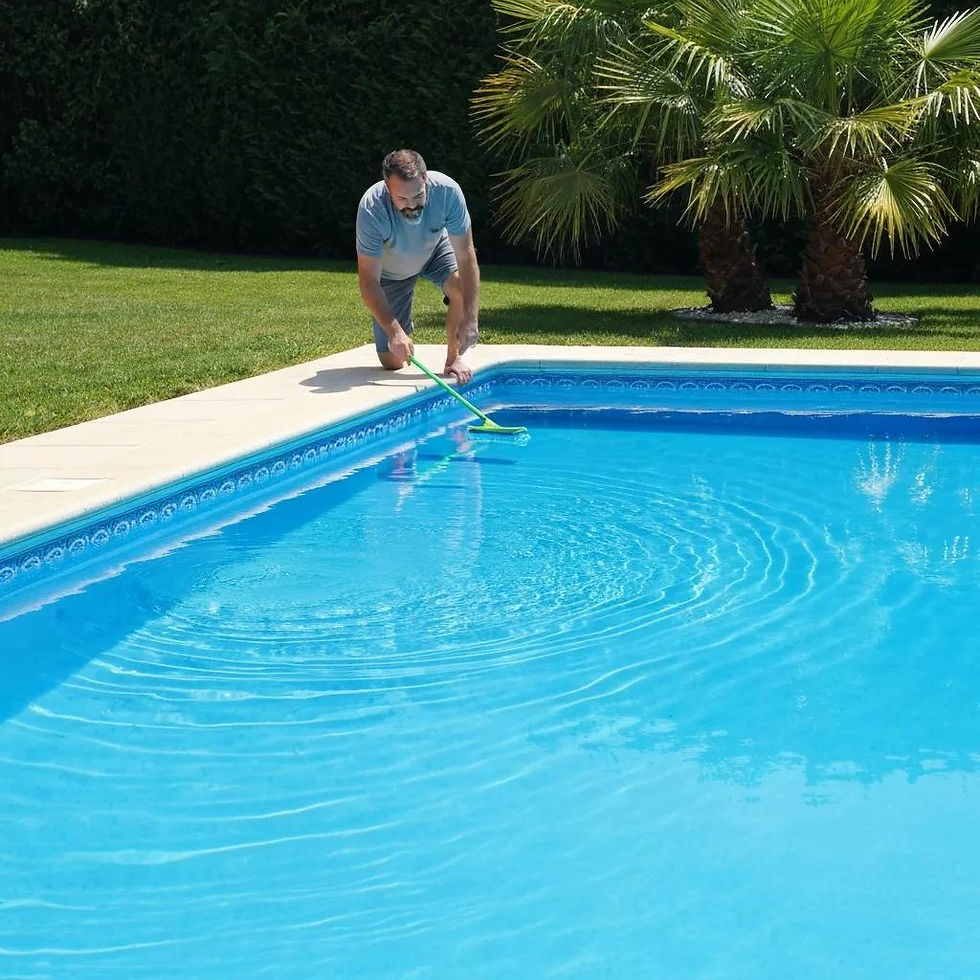
Extending liner life comes down to a few repeatable habits: keep water chemistry in range, protect the pool from UV when possible, clean gently, and schedule periodic professional inspections to catch seam issues early. These steps are a cost‑effective way to get more years from your liner than reacting to failures. Below are maintenance priorities and a simple checklist to help homeowners preserve liner integrity.
Core maintenance actions to extend liner life include:
Chemical Balance Discipline: Test weekly and adjust pH, alkalinity, and sanitizer to the recommended ranges.
Use of Pool Covers: Cover the pool when it’s not in use to cut UV exposure and keep debris out.
Gentle Cleaning Practices: Use non‑abrasive brushes and vinyl‑safe cleaners; avoid harsh chemicals and rough scrubbing.
Follow these steps consistently and you’ll reduce both chemical and mechanical wear — which means fewer emergency repairs and a longer service life.
Best Practices for Keeping Water Chemistry in Range
Test pH and free chlorine at least weekly during the season, check total alkalinity and cyanuric acid monthly, and re‑test after heavy bather loads or storms. Make measured, incremental chemical adjustments rather than large shock doses when possible; if you do need to shock, follow manufacturer guidance to avoid short‑term oxidizer spikes that can bleach or weaken vinyl. If balancing chemistry is a challenge, bring in a pro for periodic tuning and strategic fixes.
How Cleaning and Covers Protect the Liner
Regular cleaning removes organic grime and stains that otherwise feed algae or cause local chemical reactions that stain or weaken the vinyl. Use soft‑bristle brushes, non‑abrasive vacuum heads, and products labelled safe for vinyl — avoid wire brushes and acidic cleaners. Pool covers limit UV, stop debris buildup, and moderate temperature swings, all of which slow chemical breakdown and physical wear. A routine of light brushing weekly, deeper cleaning monthly, and using a cover during idle periods will help the liner last longer.
When Is the Best Time to Replace Your Inground Vinyl Pool Liner?
Plan replacement around seasonal conditions, contractor availability, and local climate to cut risk and cost. Spring and fall are generally best: milder temperatures and lower humidity make material handling and seam work easier, and you’ll avoid peak summer disruption. For Windsor and Essex County, avoid mid‑winter freezes and the hottest summer spells — spring or early fall installations give installers good working conditions and let you secure preferred scheduling. The next section explains why those seasons work best and how far ahead to book.
Why Spring and Fall Are the Best Windows for Replacement
Spring and fall bring steadier temperatures and humidity, which let the vinyl relax and seat properly and reduce expansion/contraction issues that stress seams. Installers also have easier access to jobs and better curing conditions for adhesives and sealants. From a homeowner viewpoint, scheduling outside peak swim season reduces disruption and often shortens lead times for materials and crews. These benefits usually produce a cleaner fit, fewer callbacks, and a more durable installation.
How Far Ahead to Book Liner Replacement
Book as early as late winter for spring work or late summer for fall windows to lock in preferred materials, bead patterns, and installer dates. Lead times vary with supply and seasonal demand, so an early free site evaluation helps identify any underlying repairs (coping, wall fixes, or unexpected structural work) and delivers a precise estimate without rushed decisions. Prepare for the visit by noting pool dimensions, the liner’s age, and any problems you’ve seen — this speeds quoting and helps you weigh repair versus replacement. Early booking reduces the risk of emergency timelines or busy‑season backlogs.
Typical Cost to Replace a Vinyl Pool Liner in Windsor and Essex County
In Windsor and Essex County, many standard replacements fall roughly in the $4,500–$7,000 range for a typical rectangular inground pool using a mid‑range liner with no major wall or coping repairs. Actual cost depends on pool size and shape, liner thickness and pattern, and any extra structural or plumbing work needed. Santarossa Group offers free site evaluations and itemized estimates so homeowners can see exactly what’s included and plan accordingly. Below is a breakdown of common cost drivers to help you anticipate where your budget will be spent.
What Drives Vinyl Liner Replacement Costs?
Cost drivers include pool square footage (materials scale with area), complexity of cuts and seams for freeform shapes, chosen liner mil thickness and pattern, any wall or coping repairs, track replacement, disposal of the old liner, and local labour rates. A simple rectangular pool with a 20‑mil liner sits at the low end, while a large freeform pool needing wall remediation and a premium 28‑mil liner will be at the high end. A free site evaluation gives a detailed breakdown so you know what part of the quote covers materials, labour, and repairs.
Cost Factor | Attribute | Typical Impact on Price |
Pool size/shape | Material & labor scaling | Significant increase with larger/complex pools |
Liner thickness/pattern | Material cost | Higher mil and custom patterns raise material costs |
Repairs (walls/coping) | Additional labor & materials | Variable; can be moderate to high impact |
Labour & disposal | Regional rates and job complexity | Consistent portion of total estimate |
How Santarossa Group Delivers Clear Pricing and Free Evaluations
Santarossa Group provides free site evaluations across Windsor and Essex County to assess pool condition, identify repairs, review liner options, and deliver an itemized quote for liner replacement and related work. Their approach emphasizes local knowledge, start‑to‑finish service, and a focus on durable results. Homeowners receive a clear scope of work and transparent cost breakdown after the evaluation, making it easier to choose liner thickness, timing, and any necessary repairs. To schedule an assessment, request the free site evaluation to get a tailored estimate and timeline.
Local Expertise: Familiar with Windsor and Essex County conditions and building practices, so timelines and recommendations are realistic.
End-to-End Service: From assessment to installation and finishing touches, coordinated service reduces gaps and confusion.
Transparent Quotes: Itemized estimates clearly show material, labour, and repair costs so you can compare options with confidence.
These service features help homeowners make informed, low‑surprise decisions when it’s time to replace a vinyl pool liner.
Frequently Asked Questions
What maintenance practices can help prolong the life of my vinyl pool liner?
Keep water chemistry balanced by testing pH, alkalinity, and sanitizer weekly. Use a pool cover when the pool isn’t in use to cut UV exposure and debris. Clean with soft brushes and vinyl‑safe products, and schedule periodic professional inspections to spot early wear before it becomes a major problem.
How can I tell if my vinyl pool liner is leaking?
Begin with a visual check of seams, skimmer areas, and corners. Try the bucket test: fill a bucket with pool water, place it on a step, mark both water levels, and compare overnight loss — if the pool drops more than the bucket, you likely have a leak. If you can’t find the source, hire a professional leak detector to locate it accurately.
What are the benefits of using a premium vinyl liner over a standard one?
Premium liners offer greater thickness, UV stabilization, and improved durability, which resist fading, cracking, and brittleness and can extend service life — often up to about 20 years with good care. The higher initial cost can be offset over time by fewer replacements, lower maintenance, and better aesthetics.
What should I do if I notice wrinkles in my vinyl pool liner?
Wrinkles can mean poor installation, ground movement, or age‑related shrinkage. Minor wrinkles may be manageable short term, but progressive wrinkling or slippage needs attention. Check that the liner is seated correctly in the track; if it persists, call a professional to determine whether the liner can be adjusted or must be replaced.
How does local climate affect the lifespan of my vinyl pool liner?
Local climate influences liner life: strong sun, wide temperature swings, and freeze/thaw cycles speed material degradation. To protect the liner, use covers during off‑season, keep chemistry stable, and plan maintenance around local weather patterns to reduce temperature stress on the vinyl.
What are the common causes of vinyl pool liner failure?
Typical causes are poor water chemistry, faulty installation, and excessive UV exposure. Imbalanced pH or chlorine can chemically attack vinyl and seams; incorrect seam work or bead installation creates stress points; and long sun exposure without protection degrades material. Regular maintenance and timely inspections help catch these issues early.
Conclusion
Understanding vinyl liner lifespan and care helps you protect your pool investment and keep it swim‑ready for years. Watch for early warning signs, follow a simple maintenance routine, and plan replacements during ideal seasons to avoid surprises. For tailored advice and a clear, itemized quote, schedule a free site evaluation with a local expert — it’s a reliable first step toward preserving your pool’s beauty and function.


Comments