ADU Design Styles That Make Small Spaces Work — Compact Interiors & Efficient Floor Plans
Accessory Dwelling Units (ADUs) are a practical, increasingly popular answer for homeowners who need more space without a full-scale build. These compact “backyard homes” pack full living functions into a small footprint, giving you the flexibility to add rental income, a home office, or multi-generational living. This guide walks through ADU design styles that look great and use space smartly — from core principles and furniture solutions to floor plans that work well on small lots in Windsor and Essex County, Ontario. Whether you’re a homeowner or a builder, knowing how to make small spaces perform matters.
At their core, ADUs must deliver full living functions in a compact package — which makes flexible, reconfigurable design a practical priority.
Reconfigurable Design: Maximizing ADU Space EfficiencyThe Accessory Dwelling Unit addresses contemporary housing needs by providing a separate, fully functional unit on the same lot as a primary home. Because the footprint is small, every element should be multi-purpose and adaptable. This approach has roots in 20th‑century precedents—from Le Corbusier’s “machine for living” to the adaptive thinking of Reyner Banham and Richard Rogers—applied today to meet current housing pressures.Accessory Dynamic Unit-The Accessory Home to Meet the Needs of Our Time, 2023
Designing small spaces is a careful balance between usefulness and comfort. In the sections below we share practical strategies — like multi-functional furniture and smart daylighting — and explain how local experience, including the services we offer at Santarossa Group, can smooth the design and permitting process for your ADU. Read on for clear ideas you can use to create efficient, attractive small homes.
What Are the Key Design Principles to Maximize Space in Small ADUs?
Making a small ADU feel roomy and useful comes down to a few core principles. These approaches prioritize flow, storage, and light so every square foot pulls its weight.
-
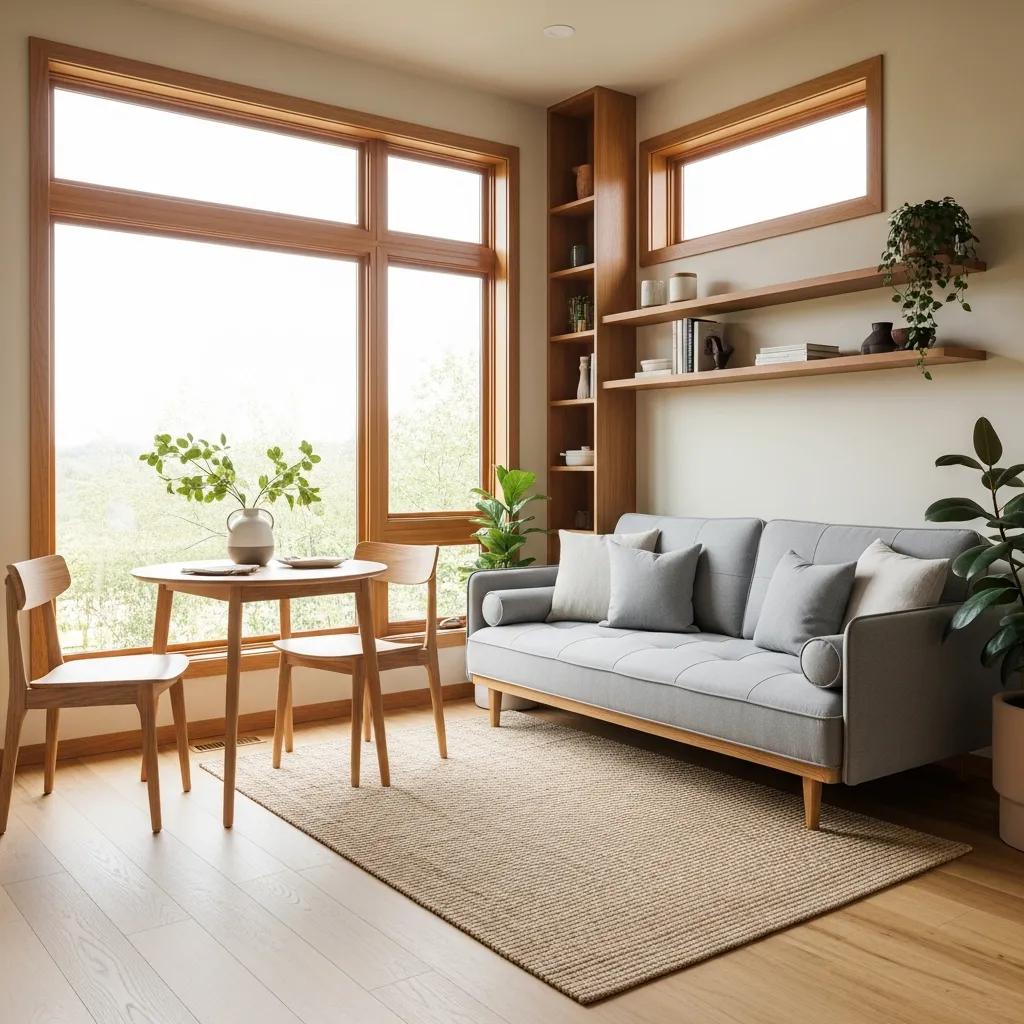
Open-Concept Layouts: Reduce unnecessary partitions to create a continuous visual and physical flow. Open plans let light travel and make compact interiors feel larger and more flexible.
-
Vertical Storage Solutions: Think up as well as out. Shelves, tall cabinets, and built-ins keep the floor clear and give you storage without crowding the living area.
-
Natural Light Integration: Large windows, well-placed skylights, and thoughtful glazing bring daylight deep into the plan. Bright spaces read as bigger and are simply more pleasant to live in.
How Do Open-Concept Layouts Enhance Usable Space in ADUs?
Open plans remove visual barriers and let chores, cooking, and relaxing happen in a shared zone. Combining kitchen, dining and living into one flexible area creates room to move and lets furniture do double duty. The result is a layout that feels more spacious and adapts easily to different daily needs.
What Vertical Storage Solutions Optimize Small ADU Interiors?
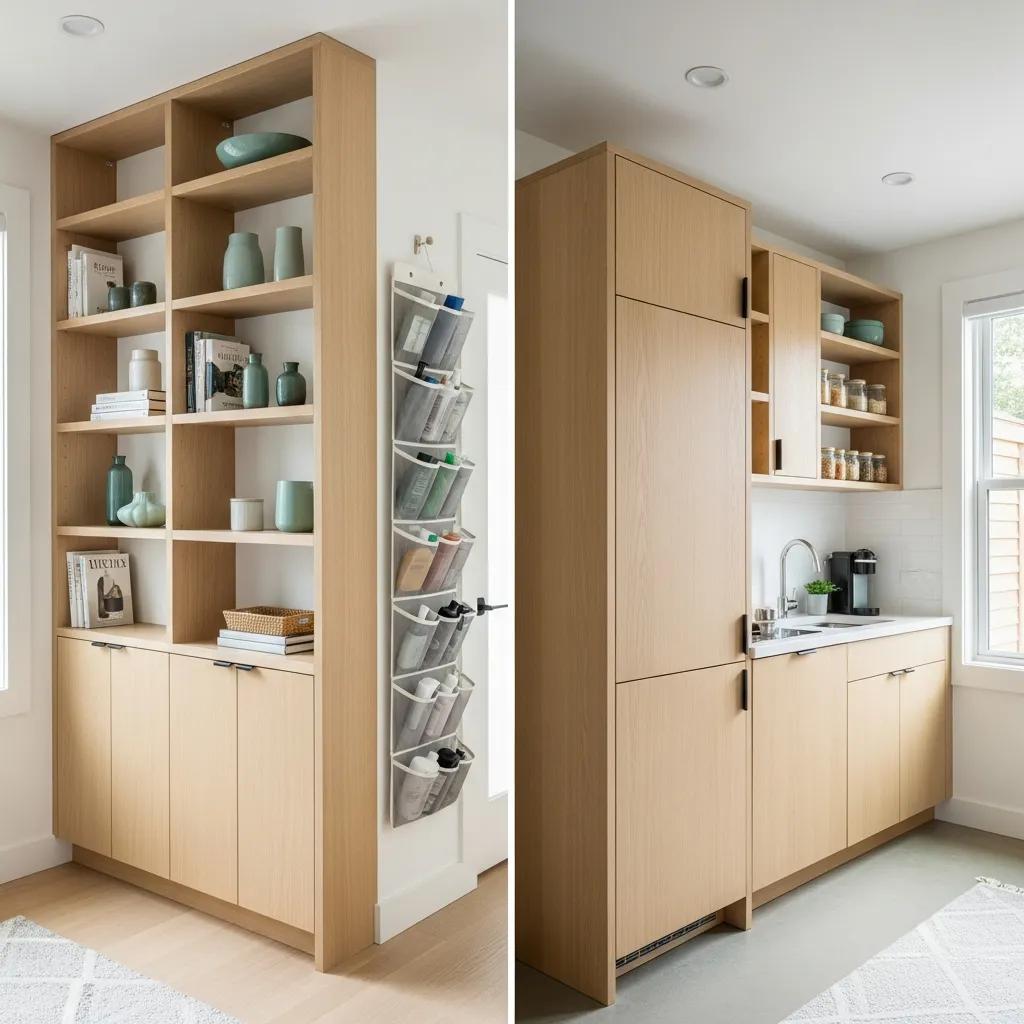
Using wall space smartly frees up floors for living. Common options include:
-
Shelving Units: Open or closed shelves above seating or along stair risers turn unused wall area into practical storage.
-
Built-in Cabinets: Custom cabinets can follow a wall’s proportions to store more while keeping a clean look.
-
Hanging Organizers: Hooks, pegboards and hanging racks are inexpensive ways to keep everyday items off the floor and in reach.
Which ADU Design Styles Best Suit Compact Living Spaces?
Certain design styles naturally suit smaller footprints because they emphasize light, function, and simplicity. Choose a style that supports efficient layouts so the aesthetic and the plan work together.
-
Modern Minimalist: Clean lines, pared-back finishes, and a neutral palette reduce visual clutter and let space breathe. Natural materials like wood or stone add warmth without overwhelm.
-
Scandinavian: Light colours, simple forms and plenty of daylight create an airy, practical interior. Scandinavian design also leans into multi-functional furniture, a big plus for ADUs.
-
Rustic: Earthy textures and reclaimed materials add cosy character. In small spaces, rustic details work best when balanced with lighter finishes so the space stays open and inviting.
What Defines Modern Minimalist and Scandinavian ADU Interiors?
Both styles prize function and simplicity. Modern minimalism emphasizes uncluttered surfaces and clear geometry; Scandinavian design adds a focus on light tones, natural light, and tactile materials. In both cases, choosing furniture that performs more than one task is essential for making the most of compact interiors.
How Do Rustic and Contemporary Urban Styles Maximize Small ADU Comfort?
Rustic styling introduces warmth through texture and natural finishes, which can make a small space feel intimate and comfortable. Contemporary urban interiors bring sleek fixtures and modern conveniences that streamline daily life. When combined thoughtfully, these approaches create small homes that feel both cozy and well-equipped.
How Can Multi-Functional Furniture and Space-Saving Features Improve ADU Layouts?
Smart furniture and design details multiply the usefulness of limited floor area. Choosing pieces and finishes that shift with your needs turns a compact unit into a flexible home.
Evidence shows that flexible furnishings and adaptable layouts are among the most effective ways to make small residential spaces liveable and resilient.
Multifunctional Furniture & Flexible Design for Small SpacesMultifunctional furniture provides practical strategies for limited residential spaces. Approaches such as open plans, sliding or folding partitions, and exploiting the vertical plane create adaptable interiors. The study highlights how convertible pieces and flexible layouts improve efficiency and allow limited spaces to support a wider range of daily activities.Shaping Limited Residential Spaces with Multifunctional Furniture Design Language: Solutions and Ideas, 2025
-
Murphy Beds: Fold-away beds free up daytime floor space so a room can serve as an office, living area or guest room when it’s not being used for sleep.
-
Convertible Furniture: Sofa beds, nesting tables and extendable dining surfaces let one footprint do many jobs.
-
Sliding and Pocket Doors: These doors eliminate swing space and create more flexible circulation in tight plans.
What Are the Benefits of Murphy Beds and Convertible Furniture in ADUs?
Murphy beds and convertible pieces maximize usable area and allow rooms to change function across the day. They’re a straightforward way to add sleeping capacity without dedicating permanent floor space to a bed.
How Do Sliding and Pocket Doors Contribute to Efficient ADU Floor Plans?
Sliding and pocket doors remove the need for door clearance, which opens up layout possibilities. They’re especially helpful in bathrooms, closets and between small living zones where every inch matters.
What Are the Best ADU Floor Plans for Small Lots in Windsor and Essex County?
On small lots in Windsor and Essex County, certain floor plans consistently offer strong value: they balance privacy, storage and open living while fitting local site constraints.
-
Studio Layouts: An open studio combines living, sleep and kitchen zones into a single efficient space, often enhanced with clever storage to keep things tidy.
-
One-Bedroom Designs: A separate bedroom gives privacy while preserving an open living area — a solid choice for couples or long-term rentals.
-
Lofted Sleeping Areas: Lofts add sleeping space without taking up the main floor, freeing the area below for work or living functions.
How Do Studio and One-Bedroom ADU Layouts Maximize Space Efficiency?
Studios use open sightlines to make areas feel larger, while one-bedroom plans carve out quiet sleeping zones without sacrificing living space. In both cases, built-in storage and multi-use furniture keep the plan functional and uncluttered.
What Role Do Lofted Sleeping Areas and High Ceilings Play in Compact ADUs?
Lofts create vertical separation between sleep and living zones, effectively adding square footage without expanding the footprint. High ceilings contribute to a sense of volume, making compact interiors feel more generous and comfortable.
How Does Santarossa Group Integrate Local Expertise in Designing Small ADUs?
We pair design practicality with local knowledge to deliver ADUs that work for homeowners across Windsor and Essex County. Our team understands regional zoning, permitting timelines and the construction realities that shape successful backyard homes.
-
Custom Solutions: Santarossa Group designs backyard homes and home additions tailored to your site, lifestyle and budget, while keeping layouts efficient and attractive.
-
Knowledge of Local Zoning Laws: Our experience with local codes helps avoid common permitting pitfalls and keeps projects moving from design into construction.
What Custom Solutions Does Santarossa Offer for Backyard Homes and Home Additions?
We develop custom layouts that prioritize usable space, storage and natural light. Our design team works with you to balance aesthetics and function so the finished ADU reflects your needs and fits your property.
How Do Local Zoning and Building Codes Influence ADU Design in Windsor?
Zoning and building rules determine setbacks, height limits and allowable uses — all of which shape the form and placement of an ADU. Working with a team familiar with Windsor’s regulations reduces delays and helps create designs that clear the permit process faster.
What Are Practical Tips to Maximize Natural Light and Outdoor Integration in Small ADUs?
Natural light and a strong indoor-outdoor connection make compact units feel larger and more livable. These tactics are simple to apply and effective in tight sites.
-
Use of Large Windows: Well-sized windows bring daylight and views, visually expanding interior space.
-
Skylights: Skylights add daylight to interior zones that can’t get wall windows, like bathrooms or hallways.
-
Seamless Indoor-Outdoor Living: Thoughtfully placed doors and outdoor rooms extend usable living space beyond the footprint.
How Can Skylights, Large Windows, and Light Colors Enhance Small ADU Interiors?
Skylights and large windows flood interiors with daylight while light wall and finish colours reflect that light to create a brighter, airier atmosphere. Together these choices make compact rooms feel more open and welcoming.
What Strategies Support Seamless Indoor-Outdoor Living in Compact Backyard Homes?
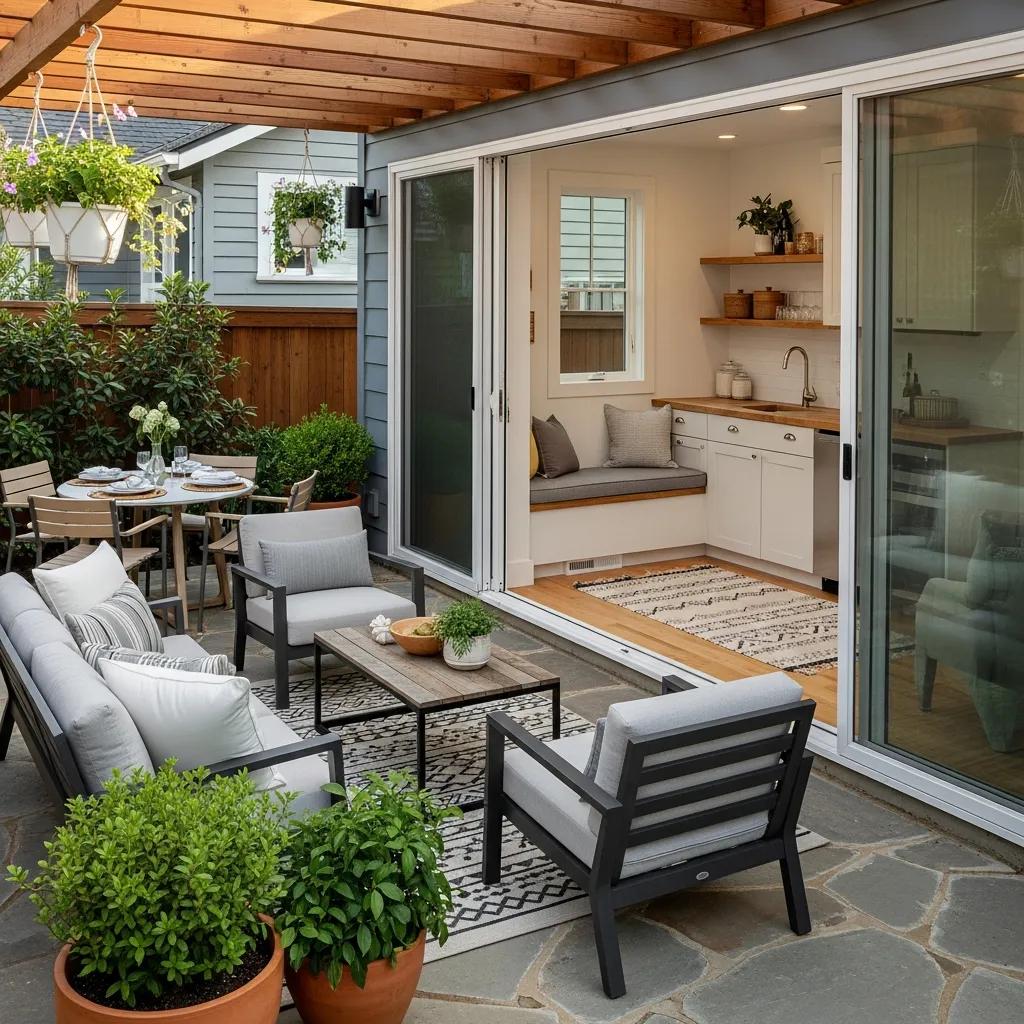
Try these tactics to connect small interiors to outdoor space:
-
Sliding Glass Doors: Wide glass openings create a smooth transition and invite the yard into daily life.
-
Outdoor Living Areas: A modest deck or patio functions as an extra room for dining and relaxing.
-
Consistent Design Elements: Using similar materials and colours inside and out helps blur the boundary and visually enlarge both spaces.
Frequently Asked Questions
What are the advantages of using multi-functional furniture in ADUs?
Multi-functional furniture stretches limited square footage by letting one piece serve multiple needs. Think sofa beds, extendable tables and storage ottomans — they reduce the need for separate pieces and keep spaces tidy and adaptable for everyday use.
How can homeowners ensure their ADU design complies with local regulations?
Start by consulting professionals who know local zoning and building codes. Working with a local architect or firm, such as Santarossa Group, helps you understand permit requirements, setbacks and height limits so your design moves smoothly through approvals.
What role does outdoor space play in enhancing small ADUs?
Outdoor space extends living area and improves quality of life. A small patio, garden or deck becomes a vital extra room for dining, relaxing or entertaining — and when it’s linked visually and physically to the interior, the whole ADU feels larger.
How can homeowners effectively integrate technology into their ADU designs?
Plan for wiring, connectivity and smart systems early. Integrate smart lighting, heating and efficient appliances that save space and energy. Choosing compact, multi-use tech — like wall-mounted fold-down desks or integrated charging stations — keeps the design neat and modern.
What are some common mistakes to avoid when designing an ADU?
Avoid underestimating storage, skimping on natural light, and creating awkward circulation. These oversights can make a small ADU feel cramped. Prioritizing storage, daylight and smooth flow will make the space far more livable.
How can homeowners personalize their ADU designs while maintaining functionality?
Personalize with a focused palette, artwork and unique fixtures while keeping the plan efficient. Custom built-ins, accent materials and well-chosen furnishings let you express style without sacrificing usability.
Conclusion
Well-designed ADUs turn limited footprints into comfortable, functional homes. By applying clear principles — open layouts, smart storage, multi-functional furniture and strong daylighting — you can create a compact space that feels generous and practical. If you’re exploring ADU options in Windsor or Essex County, our team at Santarossa Group can help with design, code navigation and build-ready plans. Learn more about how we can help transform your backyard into a useful, beautiful space.