Planning a Home Addition? Common Challenges and Practical Solutions

Home additions are an exciting way to make your house fit your life better — but they can also feel overwhelming. Knowing the typical hurdles and practical fixes up front can save time, money and stress. This guide walks through the most common issues homeowners face on additions — from budget surprises to permit delays — and offers clear steps to avoid them. Many people underestimate how much planning an addition needs; with the right information you’ll be better prepared to keep the project on track. We’ll cover planning pitfalls, typical costs, permits and regulations in Windsor and Essex County, and how Santarossa Group can help simplify the whole process.
What Are the Most Common Challenges in Home Addition Projects?
Home additions often bring a mix of predictable and unexpected challenges. Knowing what tends to go wrong helps you plan smarter. The usual trouble spots are budget overruns, permitting and zoning issues, and unforeseen structural problems. Any of these can push timelines and raise costs, so spotting them early is key to a smoother build.
How Do Budget Overruns Impact Home Addition Planning?

Budget overruns are one of the most common causes of stress during an addition. They usually come from late design changes, hidden structural repairs, or spikes in material prices. Those surprises can derail your timeline and increase financing needs. To protect your project, set a realistic budget from the start and include a contingency of 10–15% of the total cost. That buffer gives you room to handle the inevitable curveballs without losing momentum.
Studies show that digging into the root causes of overruns — not just their symptoms — is essential to managing costs effectively.
Critical Factors Contributing to Construction Cost OverrunsCost overruns are a widespread risk on construction projects. Research indicates that the key contributing factors differ by context and by project, and while many studies list causes and contributing factors, few examine the deeper root causes behind those overruns.Rationalizing critical cost overrun factors on public sector housing programmes, AA Chadee, 2022
What Permitting and Zoning Issues Arise in Windsor and Essex County?
Permits and zoning rules matter — and they vary locally. In Windsor and Essex County you’ll need to confirm what can be built, how large it can be, and whether your plans meet setback, height and use restrictions. Common delays come from incomplete permit applications or zoning limits you didn’t anticipate. Talk with municipal planning staff early, and gather required documents before you submit to avoid surprises.
How Can You Avoid Home Addition Planning Mistakes?
Most planning mistakes come from rushing decisions or skipping research. Give the design phase proper attention, get multiple bids, and choose a contractor who communicates clearly. Those steps cut down on costly changes during construction and reduce the risk of delays.
What Are Key Design and Structural Considerations for Seamless Integration?
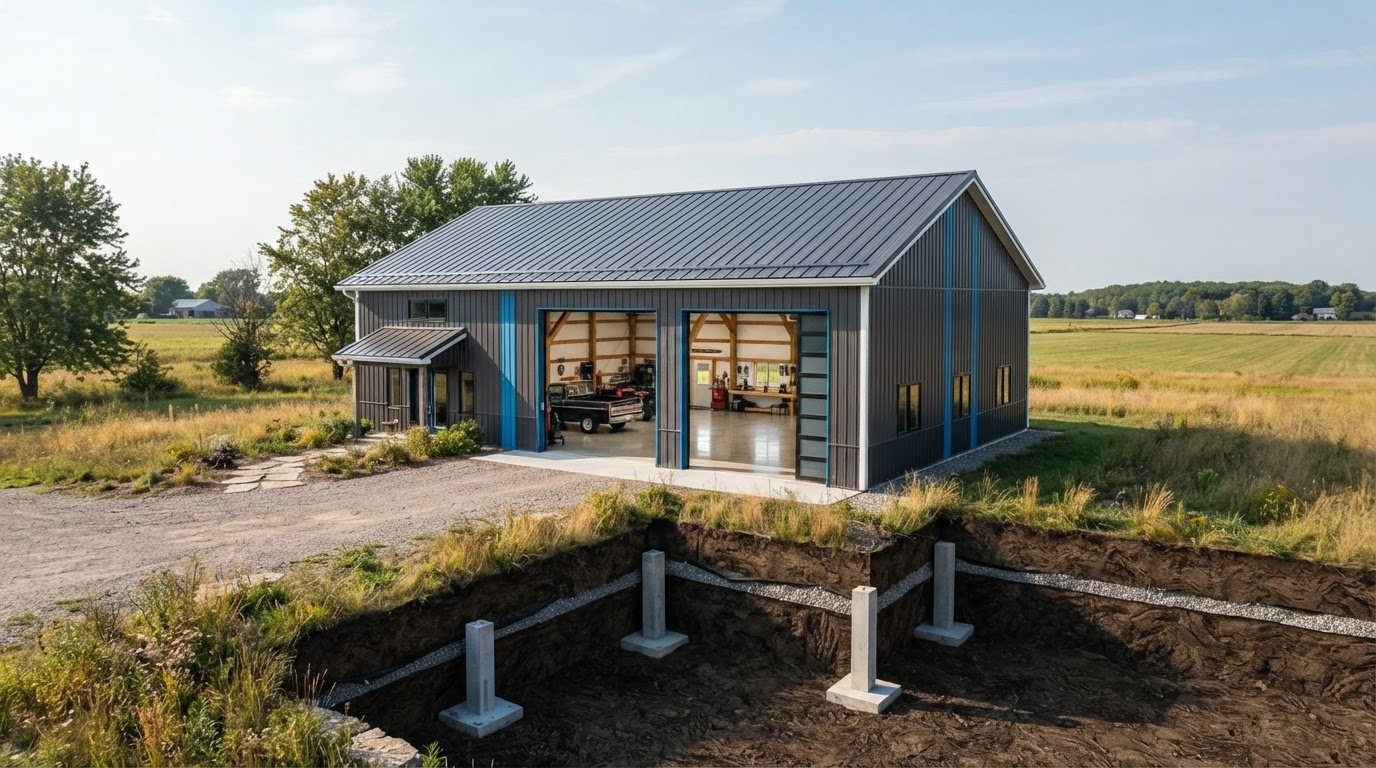
To make an addition feel like part of the original house, match rooflines, proportions and materials as closely as practical. Work with an architect or designer to balance aesthetics and function, and verify load-bearing walls, foundation needs, and drainage before construction begins. Planning these details up front prevents mismatched finishes and structural headaches later.
How to Choose a Reliable Home Addition Contractor in Windsor Ontario?
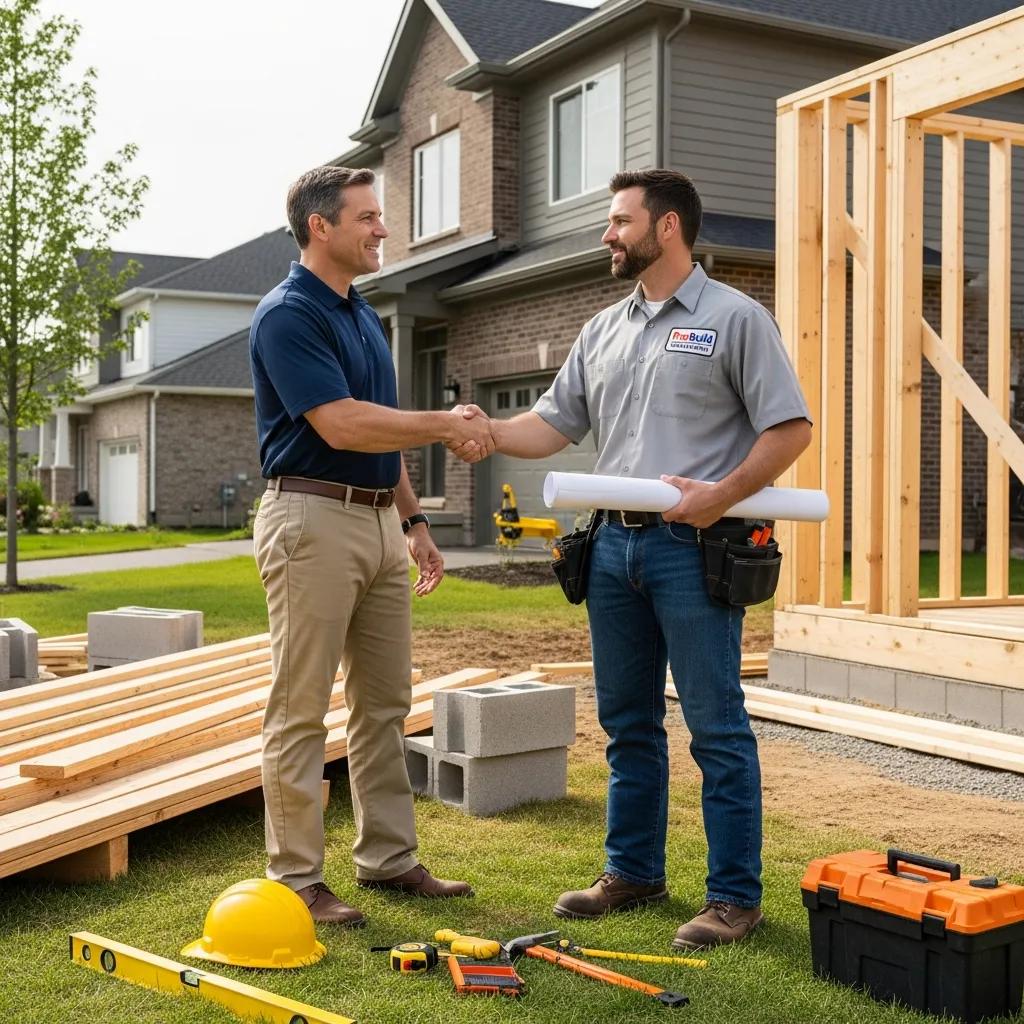
Choosing the right contractor is one of the most important decisions you’ll make. Look for proven experience with additions, read recent reviews, and ask for references from similar projects. Confirm licensing and insurance, and discuss timeline and budget expectations up front. A good contractor will answer questions clearly and include you in key decisions along the way.
What Is the Typical Cost of Home Additions in Windsor and Essex County?
Costs vary based on size, materials and complexity. For Windsor and Essex County, typical ranges as of 2024 are about CAD 150 to CAD 300 per square foot — higher for custom finishes or complicated structural work. Use these figures as a starting point when building your budget, and get detailed quotes to understand how your choices affect the final price.
How to Budget Effectively and Manage Financial Risks?
Create a detailed budget that lists materials, labour, permits and a contingency. Review that budget regularly as estimates come in and decisions are made. Getting multiple quotes helps you compare lines item by item and avoid overpaying for any portion of the work.
What Are Financing Options and Contingency Planning Strategies?
Common ways to fund an addition include personal loans, a home equity line of credit, or refinancing. Each option has different costs and timelines, so choose the one that fits your cash flow and long-term plans. Build contingency into both your budget and timeline so you can handle unexpected expenses without halting the project.
How to Navigate Home Addition Permits and Regulations in Essex County?
Understanding the permitting process for Essex County up front prevents delays down the road. Each municipality has its own checklist and review timelines, so factor that into your overall schedule.
What Is the Permit Application Process in Windsor and Essex County?
Applying for a permit usually means submitting detailed plans, paying application fees, and responding to review comments. Prepare your documents in advance and be ready to answer follow-up questions from the permitting office. Working with a contractor familiar with local procedures can speed this phase considerably.
How to Comply with Local Building Codes and Zoning Laws?
Compliance starts with knowing the rules that apply to your property — safety standards, zoning setbacks, height limits and material requirements. A qualified contractor or designer who understands local codes will help ensure plans meet regulations and reduce the chance of costly revisions.
How Does Santarossa Group Provide Solutions for Stress-Free Home Additions?
Santarossa Group focuses on delivering straightforward, high-quality home additions with local know-how and clear communication. We guide clients from idea to move-in, keeping budgets and timelines realistic while protecting the design intent.
What Is Santarossa Group’s End-to-End Home Addition Process?
Our process starts with a conversation about your goals, then moves to detailed planning and transparent pricing. We handle permits, coordinate trades, and manage construction so you don’t have to. Throughout the project we keep you informed with regular updates and clear decisions points so the build stays predictable.
How Does Local Expertise Help Overcome Common Challenges?
Local experience matters. Our team knows Windsor and Essex County permit rules, common site challenges and trusted local suppliers. That knowledge helps us anticipate problems early and keep your project moving smoothly, while delivering results that fit the neighbourhood and your home.
Frequently Asked Questions
What are the benefits of hiring a local contractor for home additions?
Hiring local brings practical advantages: familiarity with regional building codes and permitting practices, established relationships with suppliers and subcontractors, and a local reputation you can check. Those factors typically speed permitting, improve coordination and produce better value for materials and labour.
How can homeowners prepare for unexpected challenges during a home addition?
Plan thoroughly and build a contingency into your budget (10–15% is common). Keep an open line of communication with your contractor, review progress regularly, and stay flexible about minor design changes. Preparing documentation and decisions ahead of time also reduces last-minute surprises.
What are some common design trends for home additions in 2024?
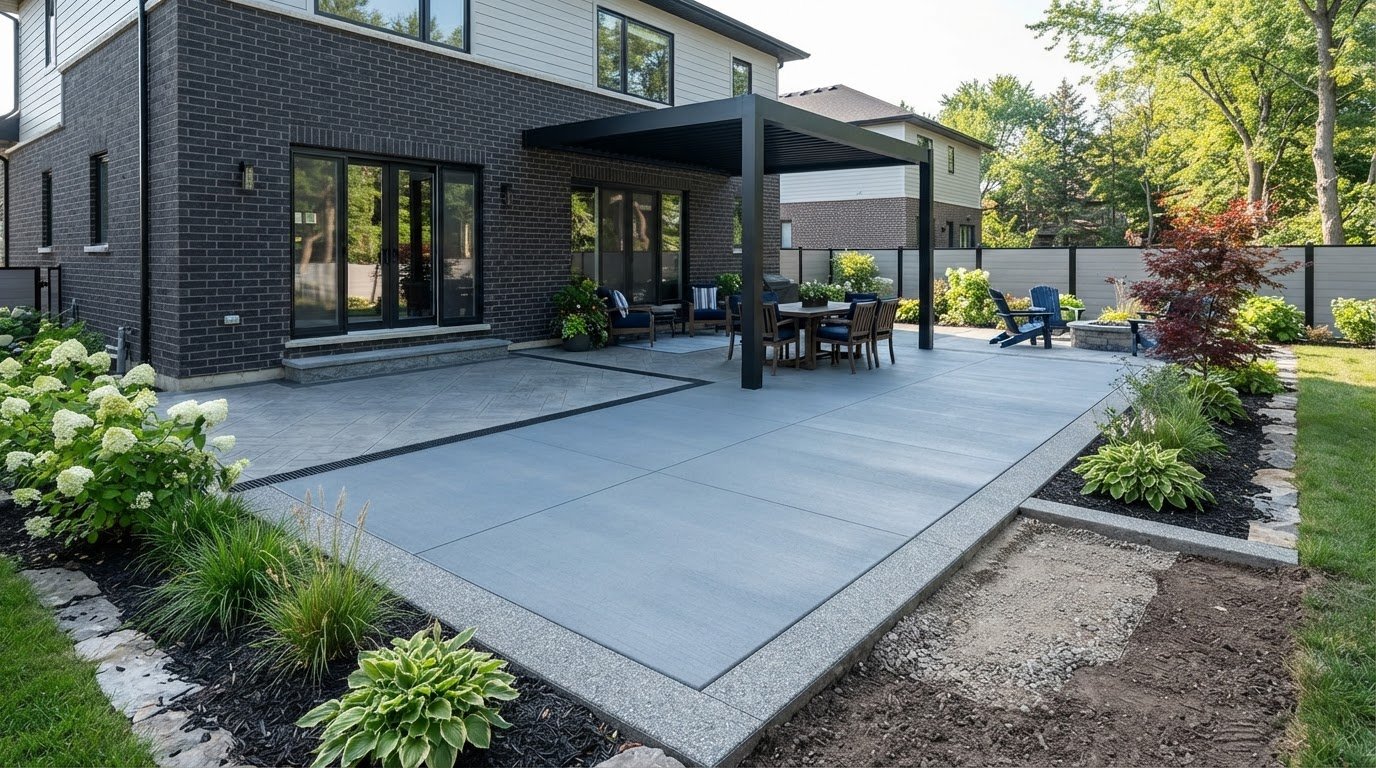
In 2024 homeowners are choosing open-plan layouts that maximize natural light, energy-efficient systems and sustainable materials, and flexible rooms that double as home offices or guest spaces. Outdoor living — decks and patios that flow from interior spaces — remains popular too.
What should homeowners consider when integrating new additions with existing structures?
Prioritize architectural harmony: match materials, rooflines and proportions where possible. Check structural needs such as foundations and load-bearing elements, and plan for consistent finishes so the new space feels like a natural extension of the home.
How can homeowners ensure their home addition project stays on schedule?
Agree a clear timeline with milestones before work starts, keep regular check-ins with your contractor, and have permits and approvals ready early. Prompt decisions on finishes and selections will prevent avoidable delays.
What role does communication play in the success of a home addition project?
Good communication is essential. Regular updates, clear expectations and timely decisions keep everyone aligned and help resolve issues before they become costly. A collaborative approach leads to a smoother build and better results.
Conclusion
Tackling a home addition well means knowing the common challenges and planning to avoid them. With clear budgeting, early permit work, thoughtful design, and the right contractor, you can keep stress down and outcomes up. Partnering with a local, experienced team like Santarossa Group makes the process more predictable — and helps turn your idea into a finished space you love. Start planning today and let us help make your addition a success.